A rape case that had remained unsolved for more than three decades has finally produced a major breakthrough after NYPD detectives matched DNA from a suspect to evidence collected from the original crime.
Police arrested William Stephens, 55, on Friday after investigators determined that his DNA matched the genetic profile recovered from a 1995 rape in Brooklyn, according to law-enforcement sources. The case had been open for years despite the attacker initially remaining unidentified.
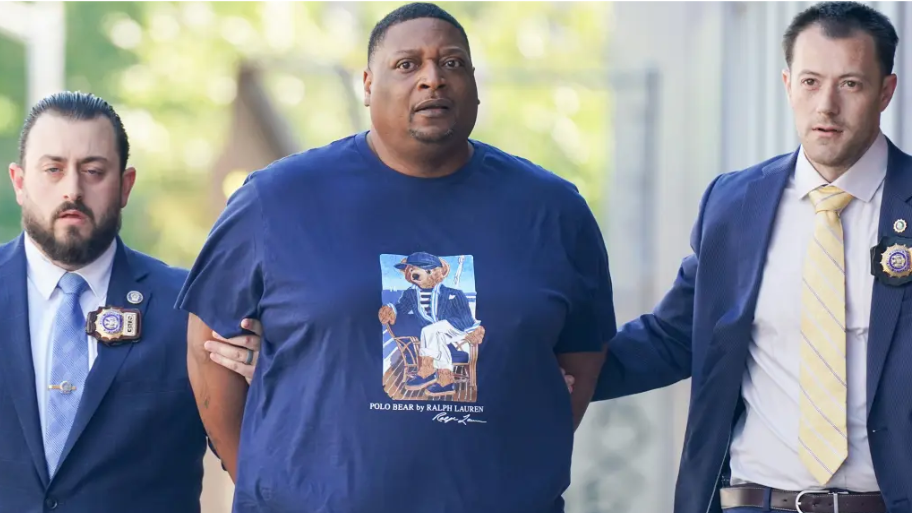
The rape happened on August 2, 1995, inside an apartment building near Pulaski Street and Marcus Garvey Boulevard in Brooklyn’s Bedford-Stuyvesant neighborhood. Investigators said the victim did not know the attacker, and the case eventually went cold.
Even after the investigation stalled, Brooklyn prosecutors took steps to keep the case legally active. In 2005, they obtained an indictment against a “John Doe” using the DNA profile collected from the crime, according to police sources. That move allowed authorities to continue pursuing the unidentified suspect years later.
Stephens later emerged as a potential person of interest through a search of the state DNA database. Investigators got another opportunity to obtain his DNA after he failed to appear in court on an unrelated open-container charge. A judge issued a bench warrant, and Stephens was taken into custody in July.
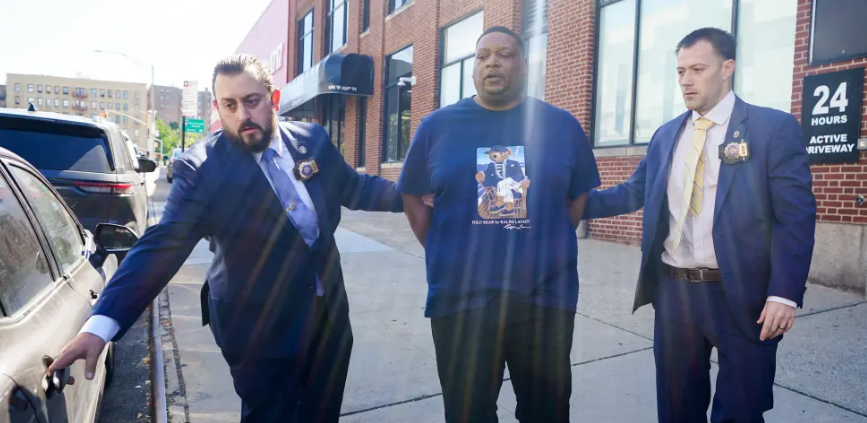
While he was in custody, detectives collected what police described as an “abandonment sample” of his DNA. That sample was then compared with the genetic material from the 1995 case. Investigators from the NYPD’s DNA Cold Case Squad and Investigative Genetic Genealogy Squad ultimately determined that the samples matched, according to sources.
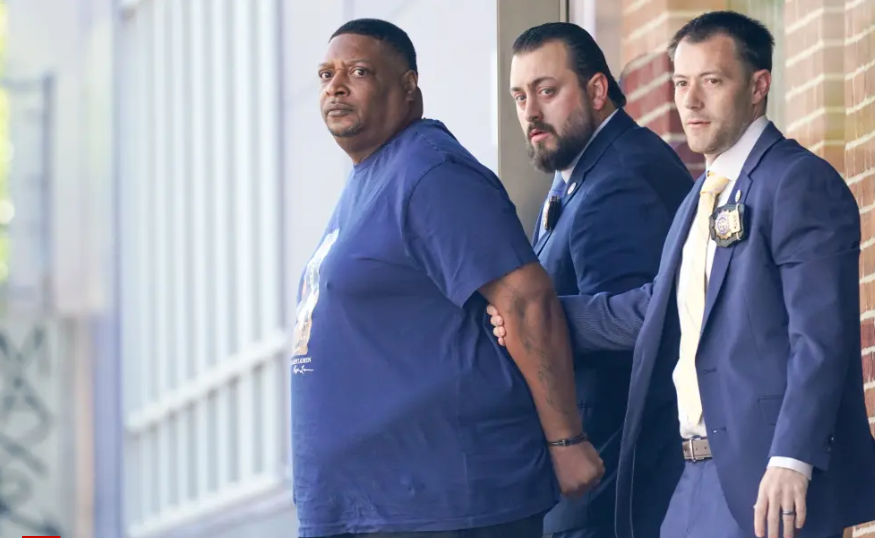
Stephens was arrested in the Bronx on Friday in connection with the decades-old case. The breakthrough marks a significant development for investigators who had continued working with evidence preserved from the original investigation.
The arrest does not by itself establish guilt, and Stephens is entitled to due process as the case moves through court. However, the DNA match has given detectives a suspect after more than 30 years of uncertainty surrounding the identity of the alleged attacker.