Nikole Hannah-Jones is opening up about a deeply personal decision she made about her daughter’s education that ultimately left her questioning whether she had made the right choice.
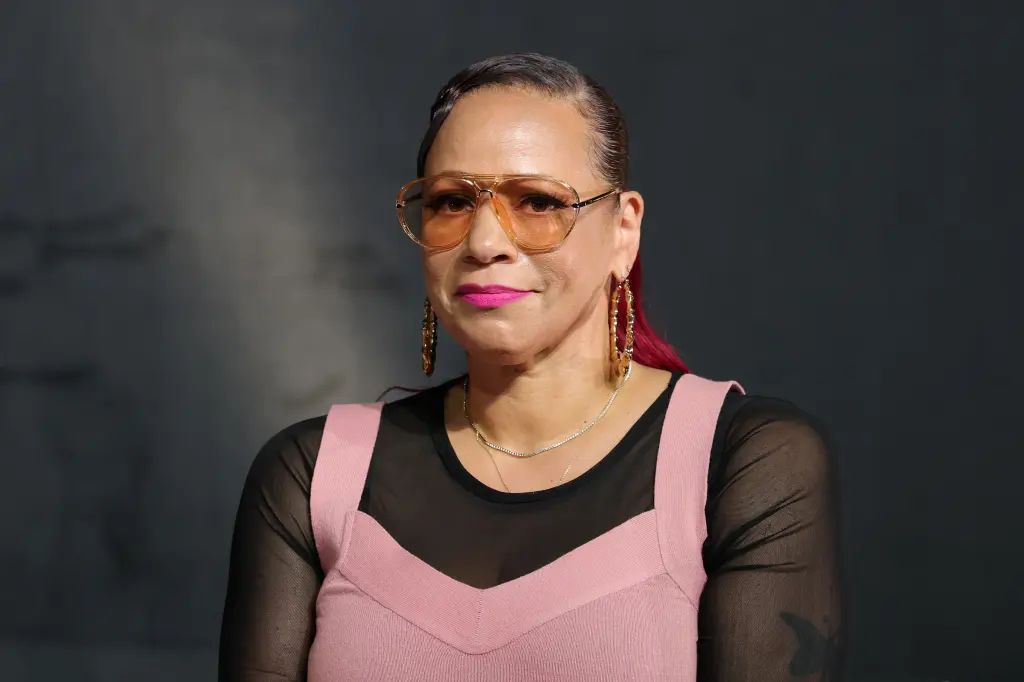
In a new essay, the New York Times writer revisited her decision to enroll her daughter, Najya, in public schools serving predominantly low-income Black students. Hannah-Jones said she and her husband believed they had an obligation to challenge an unequal education system rather than use their own resources to simply give their daughter access to better-resourced schools.
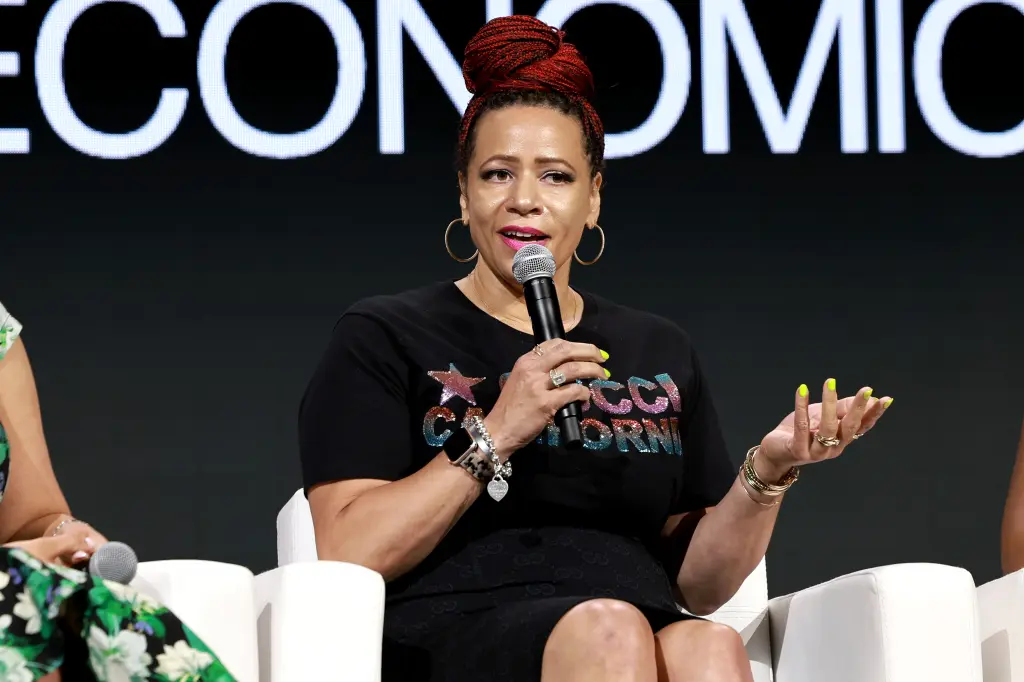
But as Najya got older, she began to see the decision differently.
During middle school, Najya discovered how poorly her school was rated and confronted her mother about it. She questioned why her parents, who had the means to provide her with a different educational experience, had chosen not to. Hannah-Jones wrote that her daughter’s reaction included a sense of betrayal.
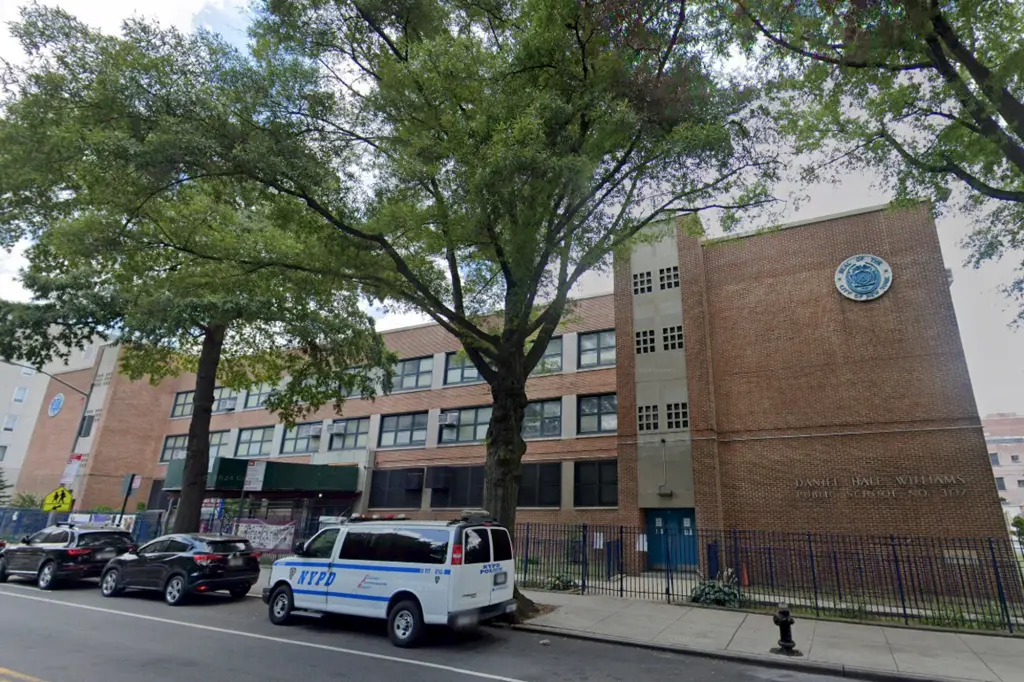
The academic consequences also became clear. At one point, Najya’s teachers told her parents that she was performing below grade level, including struggling with reading. Later, after moving to a more academically rigorous high school, she needed significant tutoring to make up for gaps in her education.
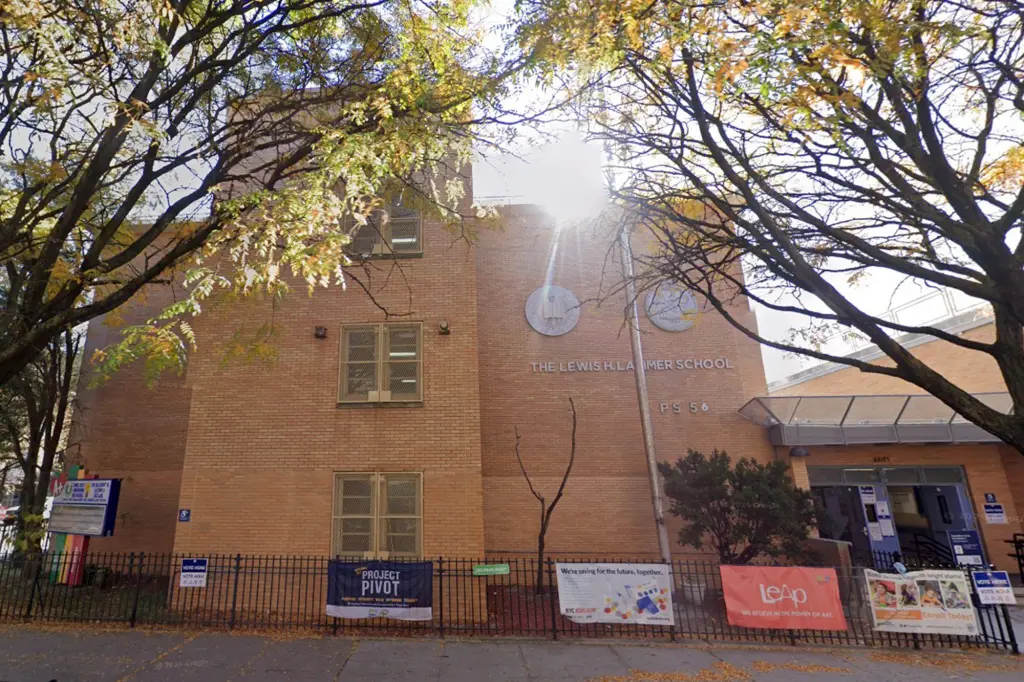
Hannah-Jones ultimately acknowledged the difficult reality of her decision. She wrote that while she believed she was fighting for educational equality, her daughter had experienced the consequences personally.
Najya, now 16, eventually found ways to catch up academically and became a strong student. Hannah-Jones’s essay reflects on the complicated balance between a parent’s broader ideals and the individual needs of their own child.