
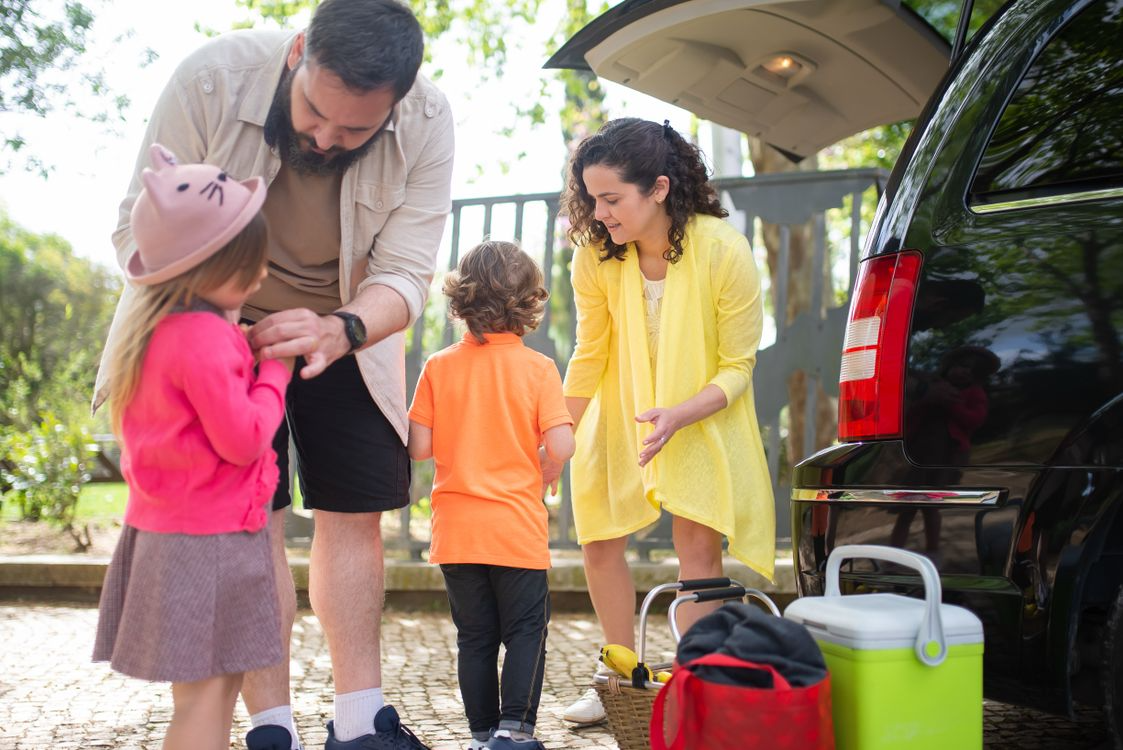
They had been planning the trip for months. Three thousand dollars paid upfront, confirmation email saved, bags packed. The whole family was in the car before anyone had any reason to think something was wrong.
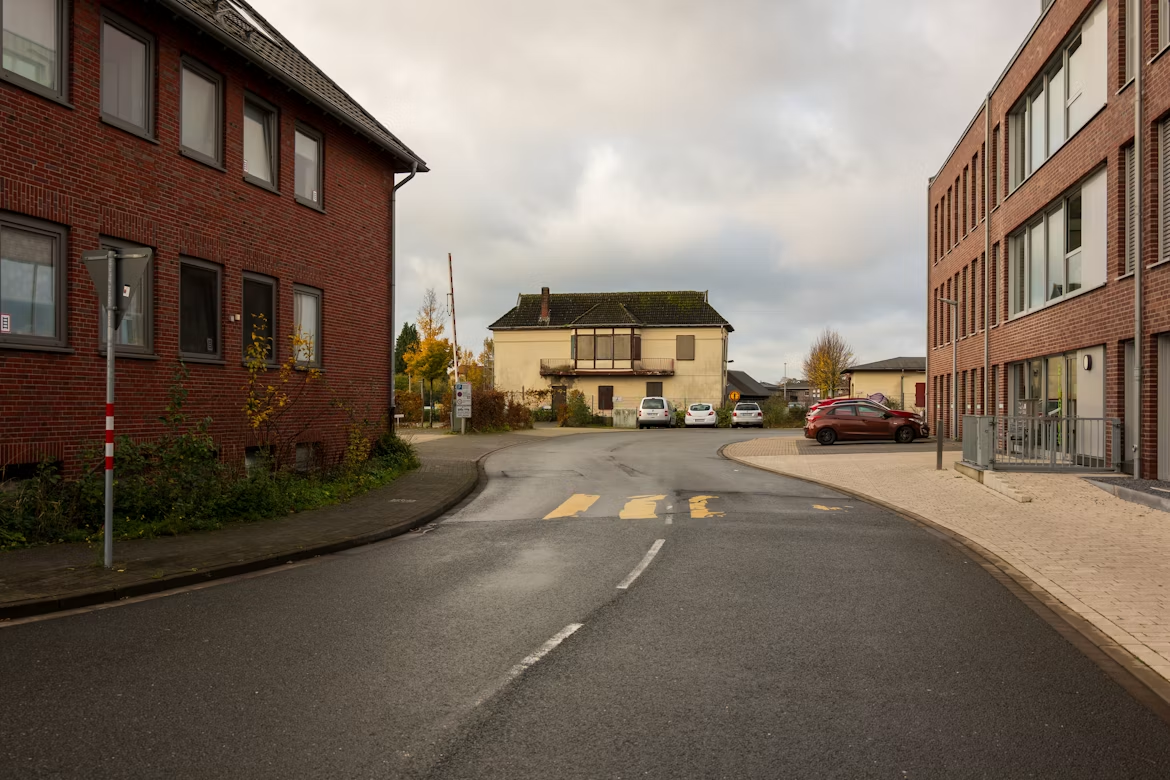
The address existed. The neighborhood was real. But when they pulled up, there was no house. No rental. Nothing that matched the photos they had spent weeks looking at online.
The listing had been fake the entire time.
Vacation rental scams have become one of the most common ways people lose money online, and the reason they work so well is simple — they look completely real. Professional photos, detailed descriptions, fake reviews, responsive "hosts" who answer questions quickly and helpfully right up until the moment the money clears. Then nothing.
This family did everything right. They booked through what looked like a legitimate platform. They communicated with the host beforehand. They got confirmation. None of it was enough because none of it was real.
By the time they figured out what happened, it was a holiday weekend. Every hotel in the area was either fully booked or charging three times the normal rate. They ended up splitting the kids between two rooms at a place they found 40 minutes away, spending money they hadn't budgeted for, on a trip that had already cost them $3,000 they were never getting back.
The platform they booked through offered them a partial refund after a lengthy dispute process. Not the full amount. Partial.
If you're booking a vacation rental — reverse image search every single photo in the listing. Call the property directly if there's a number. Never pay outside the official platform. And if the price looks too good for the location, it probably is.
Scammers count on excitement making people careless. Don't give them that.