
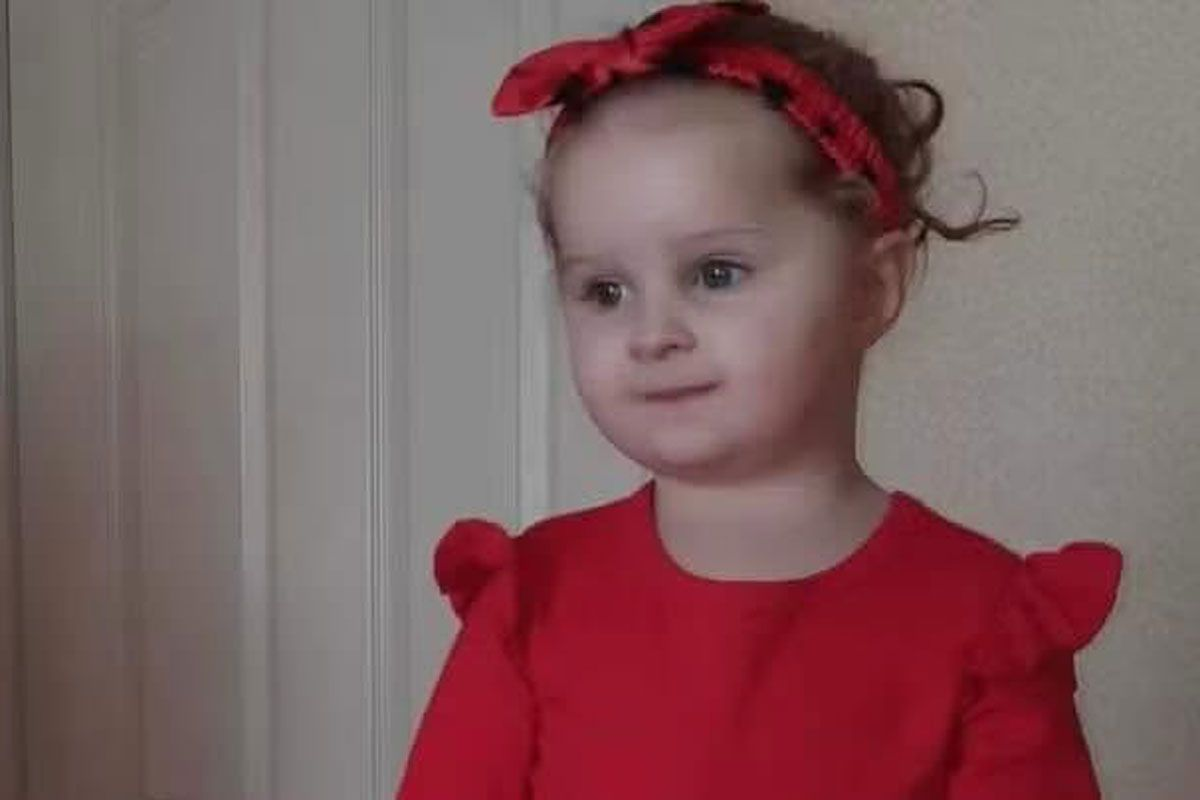
Joycelynn Dylewski was three years old. She should have been starting preschool, learning to tie her shoes, driving her parents crazy with questions. Instead, she died inside a filthy apartment in Corinth, New York, from something completely preventable.
Lice.
Not in the way most parents panic about lice — the kind you treat with a $12 bottle from the pharmacy and a fine-tooth comb. Joycelynn's infestation had gone so far, for so long, that her body became anemic. Her heart and organs gave out. A medical examiner ruled her death a homicide.
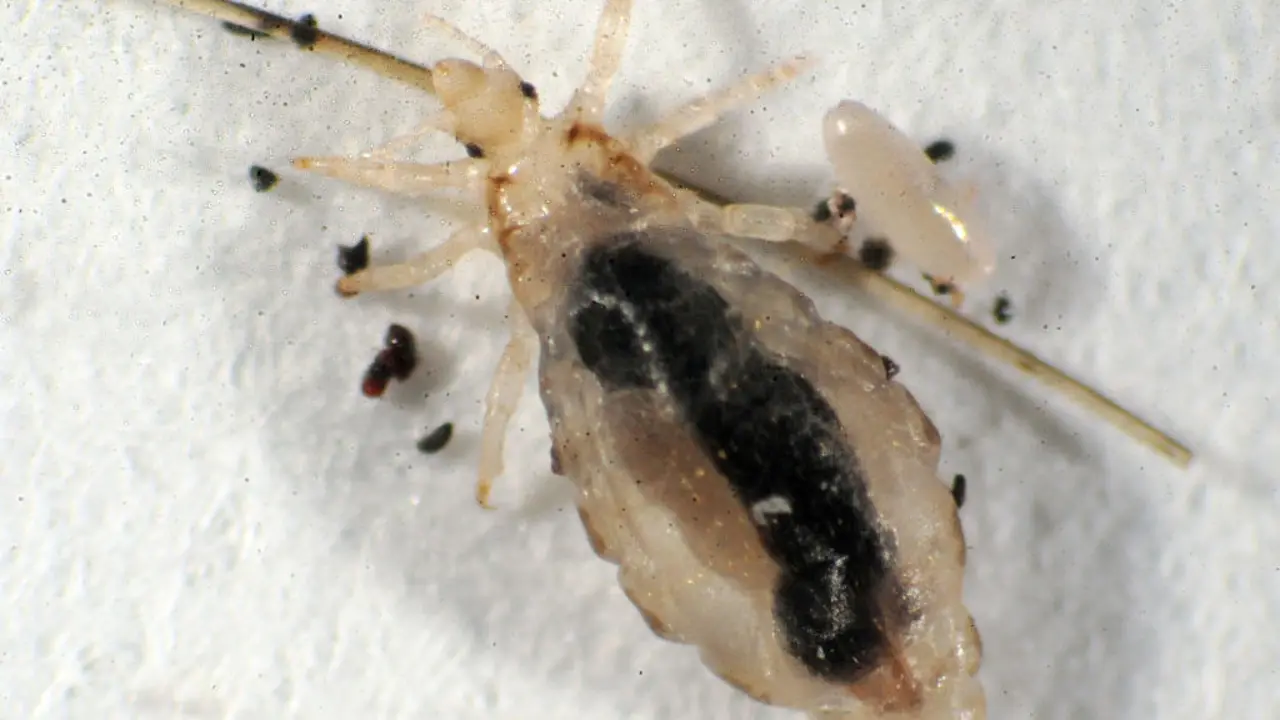
When investigators arrived, the apartment told its own story. Garbage everywhere. Expired food in the bedrooms. Carpets so stained they were unrecognizable. A dead cockroach was found on Joycelynn's body. Her teeth were described as "rotten and black."
Her mother Samantha's response? She said Joycelynn "fought her too much" when she tried to treat the lice. She blamed a three-year-old for her own death.
It gets worse. Clonidine — a blood pressure medication — was found in Joycelynn's system. Text messages between Samantha and her husband Matthew showed they discussed giving it to her. Shortly after Joycelynn died, someone searched on their phone for how long the drug would stay in a person's system.
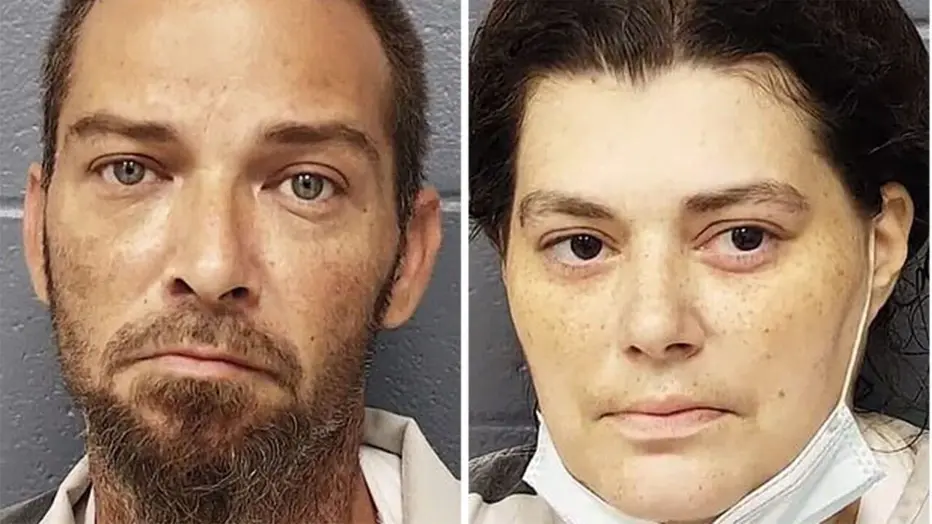
Both parents pleaded guilty to criminally negligent homicide. They were sentenced to up to four years in prison — the maximum allowed under the charge.
Four years.
For a child who spent her entire short life in conditions no person should ever live in, let alone a toddler. A child whose parents saw what was happening and did nothing. A child who had no one to speak up for her.
Joycelynn deserved so much better than the hand she was dealt.