HYROX has changed its rules following a controversial incident involving Australian athlete Joanna Wietrzyk during a race in Beijing that sparked widespread criticism of how organizers handled the situation.
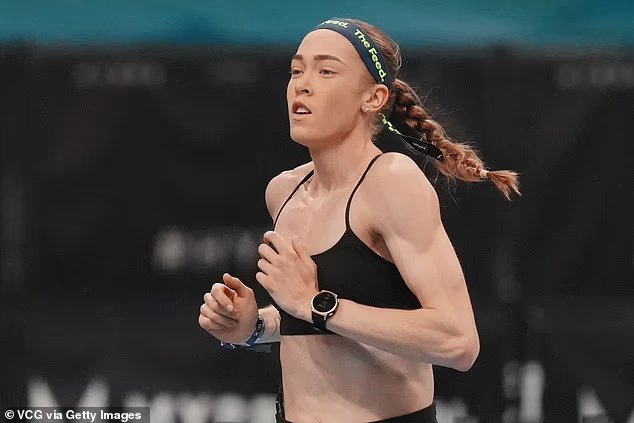
Wietrzyk, an elite HYROX athlete and women's Solo Pro world-record holder, suffered sudden fecal incontinence during the competition but was allowed to continue racing. She went on to finish the event and win her division. The incident quickly spread across Chinese social media, prompting debate over athlete welfare, hygiene and the responsibilities of race organizers.
HYROX co-founder Moritz Fürste later apologized to those affected and acknowledged that organizers should have intervened immediately. He said the company was drawing up new procedures and rules to make clear how similar situations should be handled in the future.
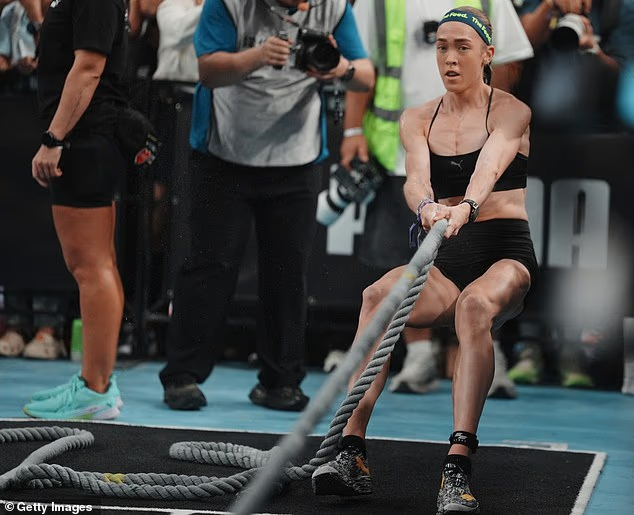
Under the new rules, a race director can withdraw an athlete on medical grounds if blood, vomit, urine or feces creates a welfare or contamination risk for that athlete or other competitors. The change specifically addresses situations in which bodily fluids could affect shared equipment or the course.
That issue is particularly important in HYROX because competitors use the same workout stations and equipment during the event. The competition combines running with exercises including rowing, sled pushes, burpees and sandbag lunges, meaning contamination can affect other athletes who follow on the same course.
The incident also raised criticism over what some competitors described as an inconsistent approach to hygiene rules. Before the change, HYROX already imposed penalties for behavior such as littering, spitting or clearing the nose onto the race course, while the Beijing incident exposed uncertainty over how a medical emergency involving bodily fluids should be handled.
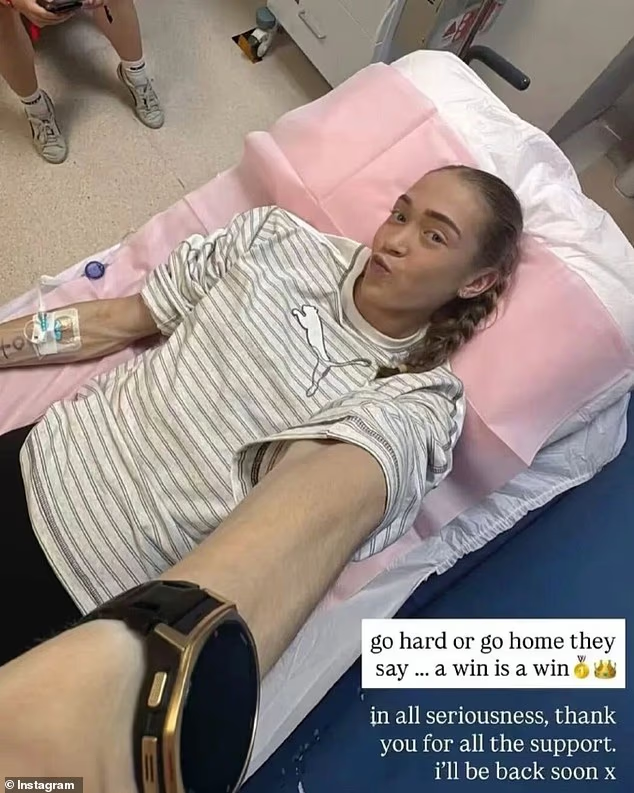
HYROX China said the affected area was isolated and thoroughly disinfected after the competition. Organizers also said the relevant equipment was removed and that flooring at the venue would be replaced.
HYROX World said the incident exposed a gap between procedures intended for elite competition and those used in mass-participation events. The organization said that overlap created ambiguity over how existing protocols should be applied.
The controversy has also divided public opinion over Wietrzyk's decision to keep competing. Some criticized her for continuing while sharing equipment with other athletes, while others argued that she experienced an involuntary medical problem and should not be publicly shamed for it.
Fürste's apology and the new rules mark a clear change in HYROX's approach. The organization now has explicit authority to remove a competitor when a medical incident presents a contamination or welfare risk, potentially preventing a similar dispute at future events.