The lone holdout juror in Lindsay Clancy’s murder trial has spoken publicly for the first time after his refusal to change his position led to a mistrial and intense backlash.
Michael P. Desronvil, 48, identified himself as the juror who remained opposed to finding Clancy not guilty by reason of insanity. The jury ultimately deadlocked 11-1, with Desronvil standing by a guilty verdict, leading the judge to declare a mistrial on September 4.
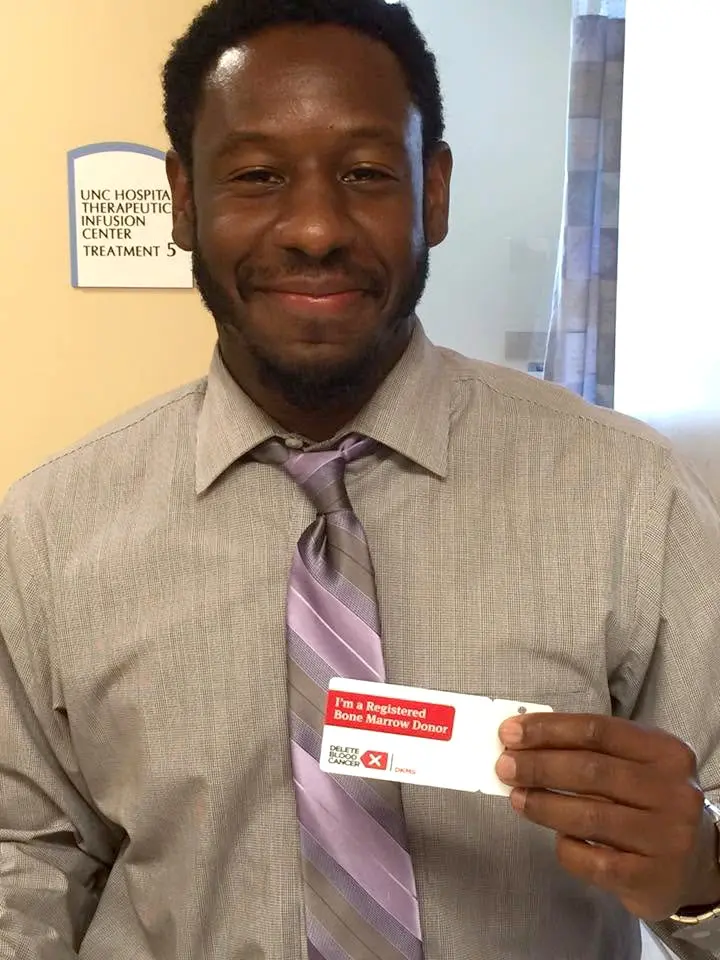
In a statement provided to NewsNation on September 17, Desronvil said he “didn't have any doubts” about his position. He said he believed the physical evidence, witness testimony and prosecution’s case showed that Clancy knew what she was doing when she killed her three children.
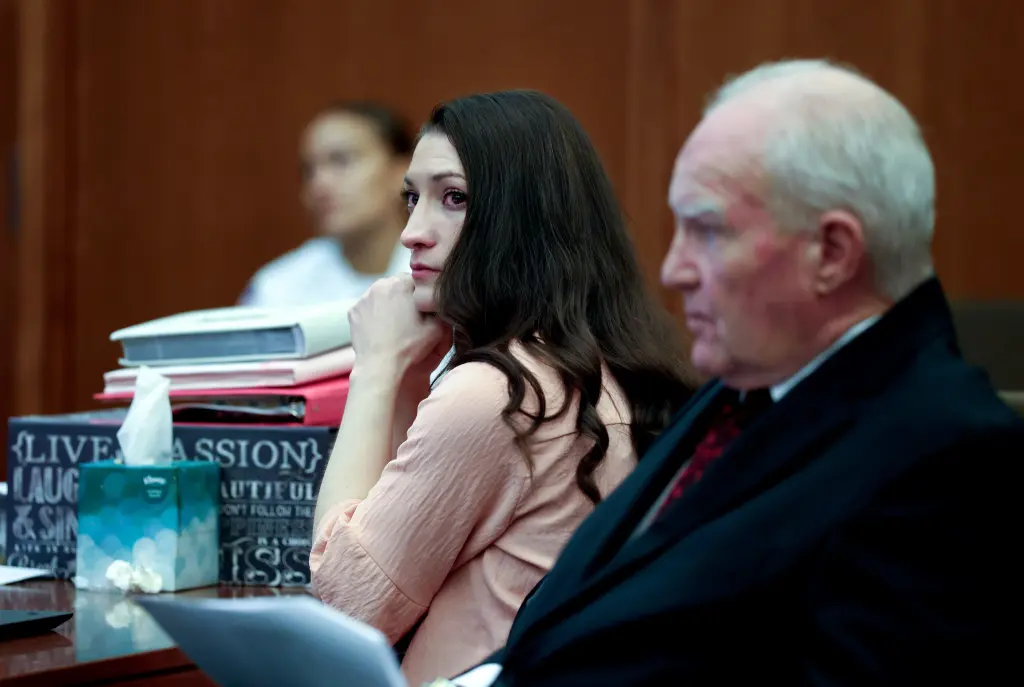
His account differs sharply from statements made by several fellow jurors after the mistrial. Those jurors said Desronvil appeared at times to have doubts during deliberations but still refused to join the majority in accepting Clancy’s insanity defense. Desronvil disputes that characterization and says he was trying to explain different theories without wavering from his conclusion.
The case has drawn enormous attention because Clancy admitted killing her three children in January 2023 but argued that severe postpartum psychosis made her not criminally responsible. Prosecutors argued that she understood what she was doing and had planned the killings. The jury’s inability to reach a unanimous decision left the case unresolved.
Desronvil has also faced intense public scrutiny since his identity became known. Reports have examined his past legal troubles, including a previous domestic-violence case and a restraining order involving a teenage relative. Those revelations have prompted questions about the jury-selection process, although the earlier criminal charge was dismissed and he was not convicted in that case.
Judge William Sullivan has since sealed the identities of the other jurors and their questionnaires, citing safety concerns. Clancy is scheduled to return to court on September 29 as prosecutors consider how to proceed after the mistrial.
Desronvil’s first public comments provide his account of the deliberations, but his version remains disputed by other jurors who have spoken publicly. The legal case itself is still unresolved, and any future trial would begin with a new jury.