President Donald Trump’s promise of a $5,000 “dividend” for American adults is facing growing questions over how the plan would actually be funded.
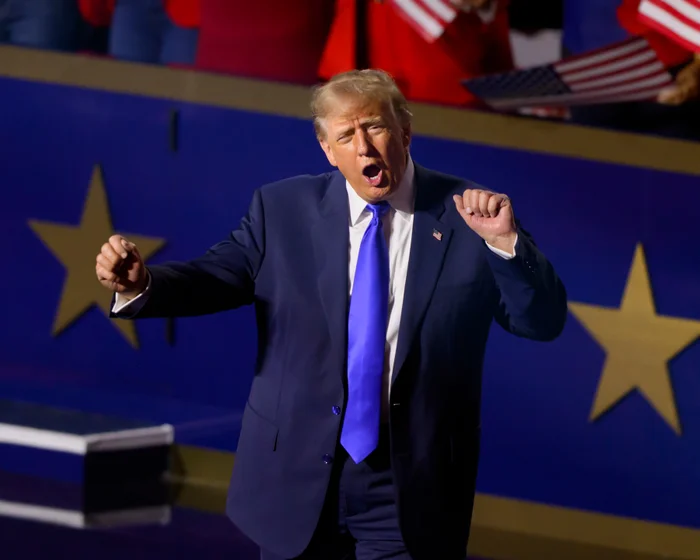
Trump announced the proposal during a Republican Party convention in Dallas, saying every adult citizen would receive $5,000 if Republicans retain control of both the House and Senate in the upcoming midterm elections. He called it the “Trump dividend.”
The biggest problem is the cost. Estimates suggest that sending $5,000 to every eligible adult could require roughly $1.2 trillion to $1.35 trillion, depending on who ultimately qualifies. Vice President JD Vance has suggested the payments may be limited to middle-class Americans, but no official income threshold has been announced.
Trump has pointed to tariff revenue as part of the reason the payments could be possible. However, available estimates indicate that tariff income would fall far short of the amount needed for a one-time payout on that scale.
That has led economists and lawmakers to question where the remaining money would come from. Yahoo Finance reported that Trump did not provide a detailed funding mechanism when he announced the proposal, while some analysts said the numbers make the plan difficult to carry out without additional borrowing or other funding measures.
Treasury Secretary Scott Bessent has since said the administration is exploring ways to make the payments without increasing the national debt or deficit, but he has not publicly provided a detailed financing plan.
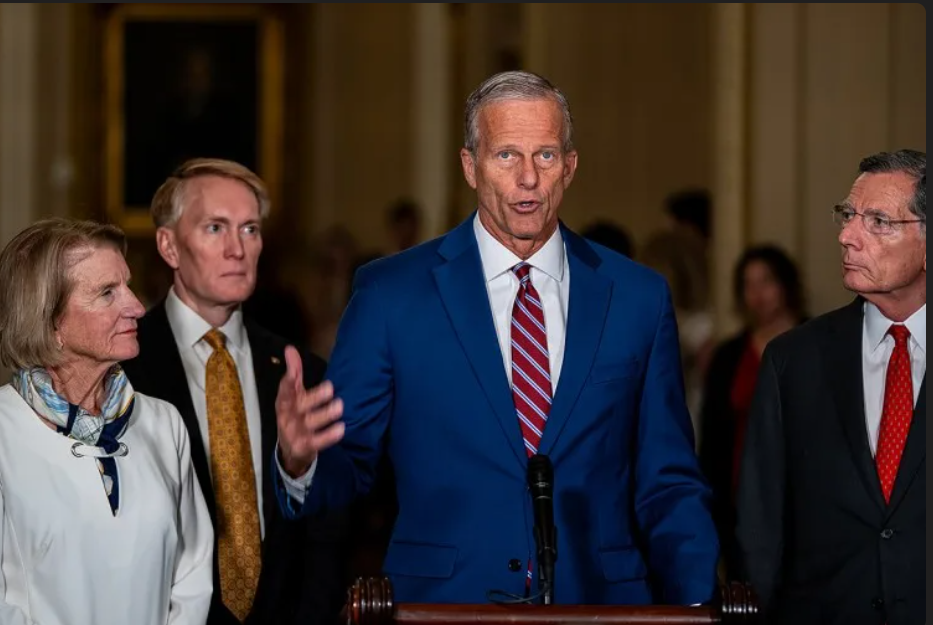
There is also a legal and political hurdle. House Speaker Mike Johnson has said Congress would need to approve the proposal, while Senate Majority Leader John Thune said there is not yet a concrete plan and emphasized that Congress would have a role in determining what happens to the tariff revenue.
The proposal is also conditional on the outcome of the midterm elections. Trump has tied the payment to Republicans keeping control of both chambers of Congress, meaning the plan would depend not only on funding but also on the election result and subsequent congressional action.
For now, the $5,000 dividend remains a proposal rather than an approved federal payment program. Until lawmakers establish eligibility, funding and legal authority, there is no confirmed date for Americans to receive the money.
The proposal has nevertheless become a major political talking point, with supporters focusing on the potential benefit to households while critics question whether the government can afford such a large payout without adding to its already substantial fiscal burden.