Twenty-five years after the September 11 attacks, a former New York City death investigator is speaking out about the way some of the victims who fell from the World Trade Center have been described.
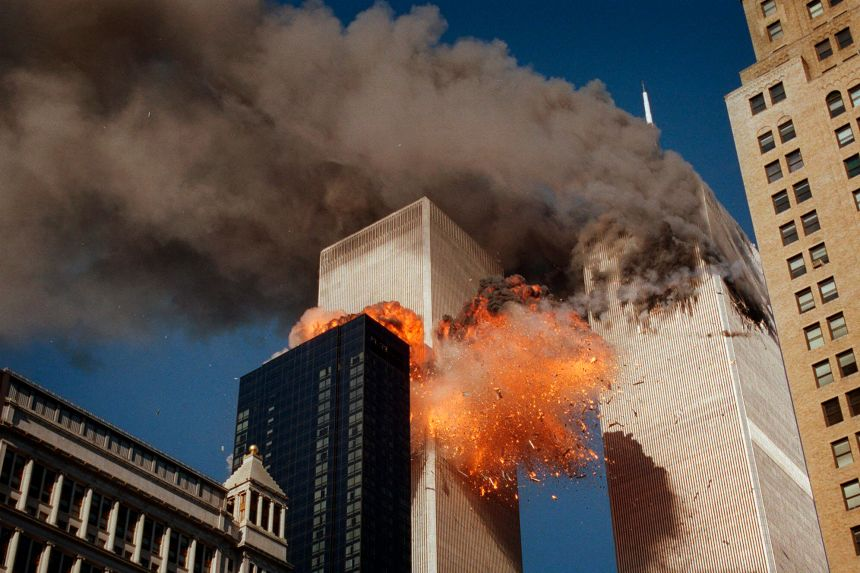
Barbara Butcher was working for New York City’s Office of the Chief Medical Examiner when the attacks happened in 2001. Her job became part of the enormous effort to recover and identify human remains from the wreckage of the towers.
Butcher recently recalled a meeting in which someone referred to the people seen falling from the buildings as “jumpers” or “suicides.” She said Chief Medical Examiner Dr. Charles Hirsch immediately rejected those terms.
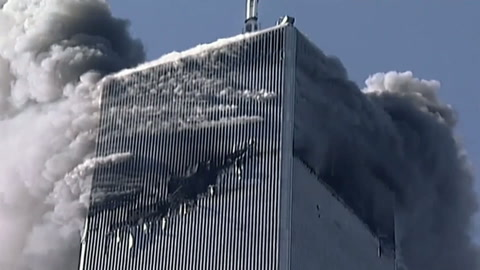
According to Butcher, Hirsch explained that the victims were not choosing to die. They were trapped by flames, smoke and unbearable heat, with some clinging to windows or trying to find enough air to breathe. Some lost their grip, while others were forced to let go.
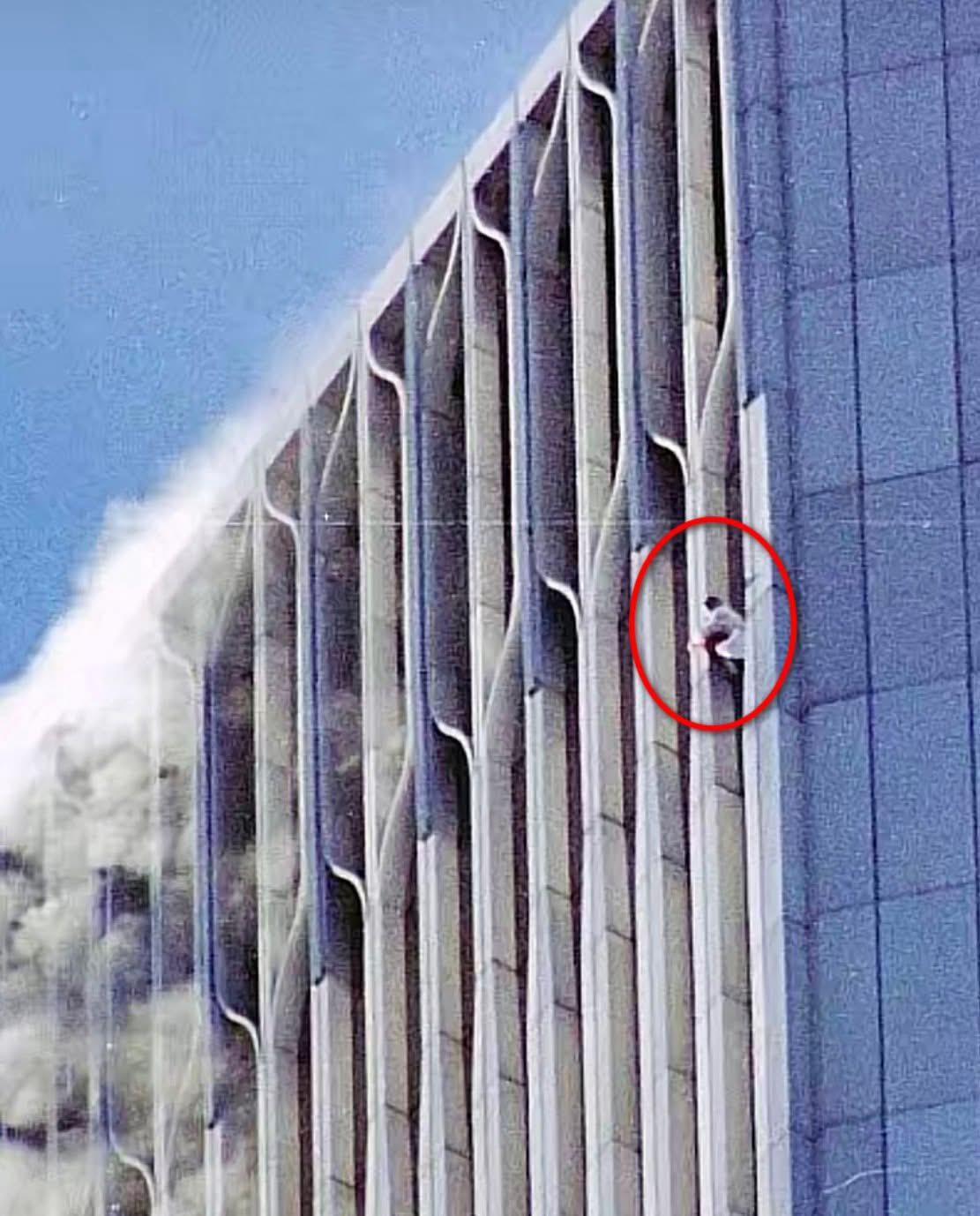
Butcher says the distinction is more than a matter of wording. She points out that the official manner of death on 9/11 death certificates was homicide, reflecting that the victims were killed as a result of the terrorist attacks.
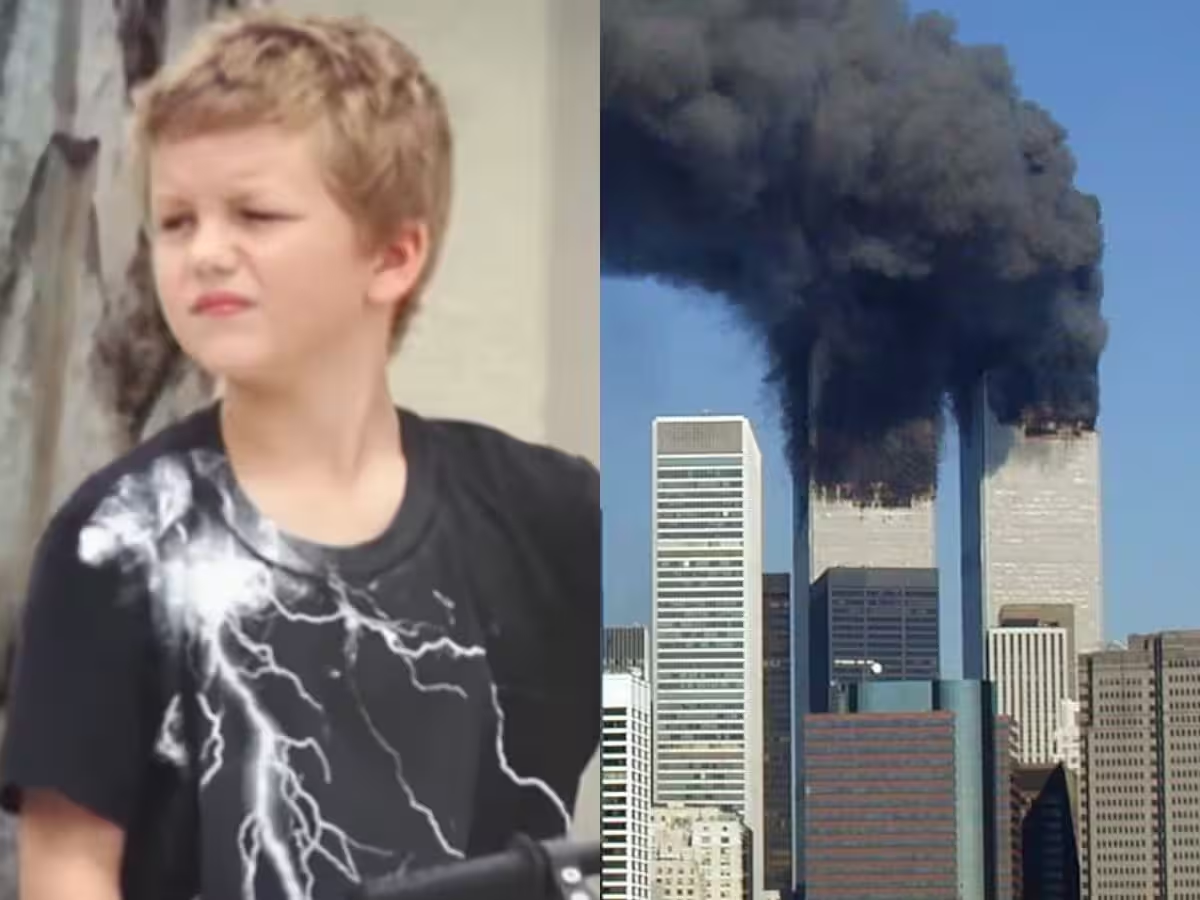
An estimated 200 people were seen falling from the World Trade Center, and Butcher argues that calling them “jumpers” wrongly suggests they intentionally chose suicide. She says that language can also cause additional pain for families, including those whose religious beliefs treat suicide differently from deaths caused by others.
Butcher has tried to persuade the National September 11 Memorial & Museum to change language referring to “those who jumped” in an area displaying images of the victims. She says the museum’s signage committee has so far declined to make the change.
For Butcher, the issue remains deeply personal. She believes describing the victims as people who “fell from the windows” or were pushed out by forces beyond their control better reflects what they endured.
Her message, 25 years after the attacks, is ultimately about remembering the victims without placing blame on the people who were trapped in an impossible situation.