The brother of the juror who was initially the lone holdout in Lindsay Clancy’s murder trial has spoken publicly about why his brother ultimately voted to find her guilty.
Clancy was accused of killing her three young children at the family’s home in Duxbury, Massachusetts, in January 2023. Her defense argued that she was suffering from severe postpartum psychosis at the time and was not legally responsible for the deaths.
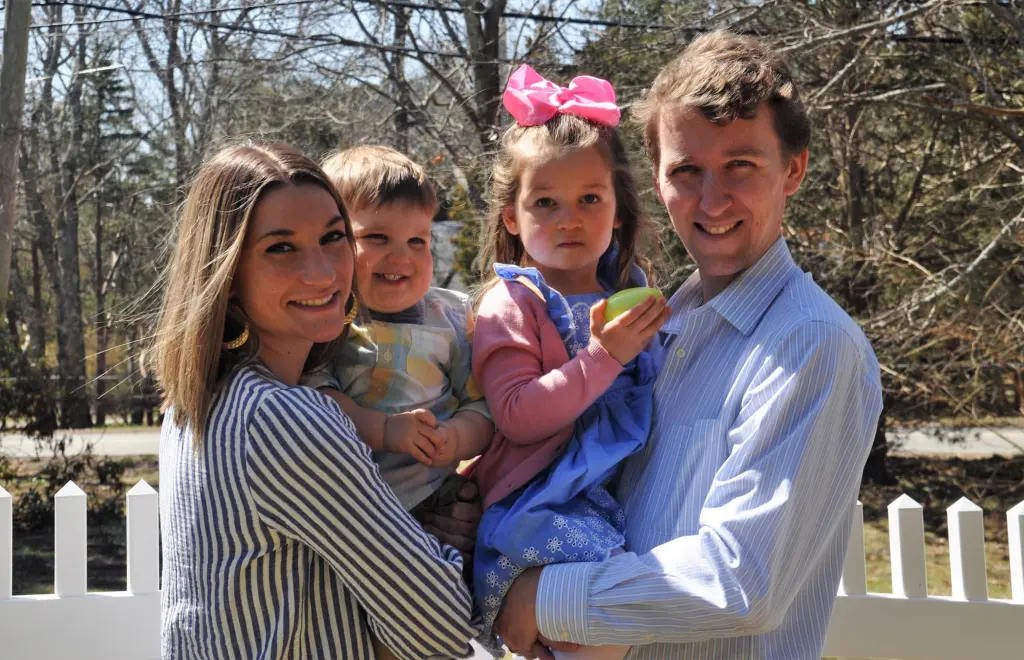
The jury initially struggled to reach a unanimous decision. One juror, identified in reports as the holdout, was the last member to vote guilty as deliberations continued. His brother, speaking to the New York Post, said the juror took the case seriously and spent significant time weighing the evidence before changing his position.
According to the brother, the juror's decision was based on the evidence presented during the trial rather than personal beliefs or outside influences. He said the juror had not been motivated by religion and did not simply follow the other jurors to end the deadlock.

The juror's changing position came after days of deliberations over the evidence and the competing arguments from prosecutors and Clancy's defense team. The defense had emphasized her mental health and the possibility that psychosis had affected her ability to understand what she was doing. Prosecutors argued that the evidence showed she intentionally killed her children.
The case became especially closely watched because of the nature of the allegations and the debate over postpartum mental illness and criminal responsibility. Clancy has maintained that she was experiencing a severe psychiatric episode at the time of the killings.
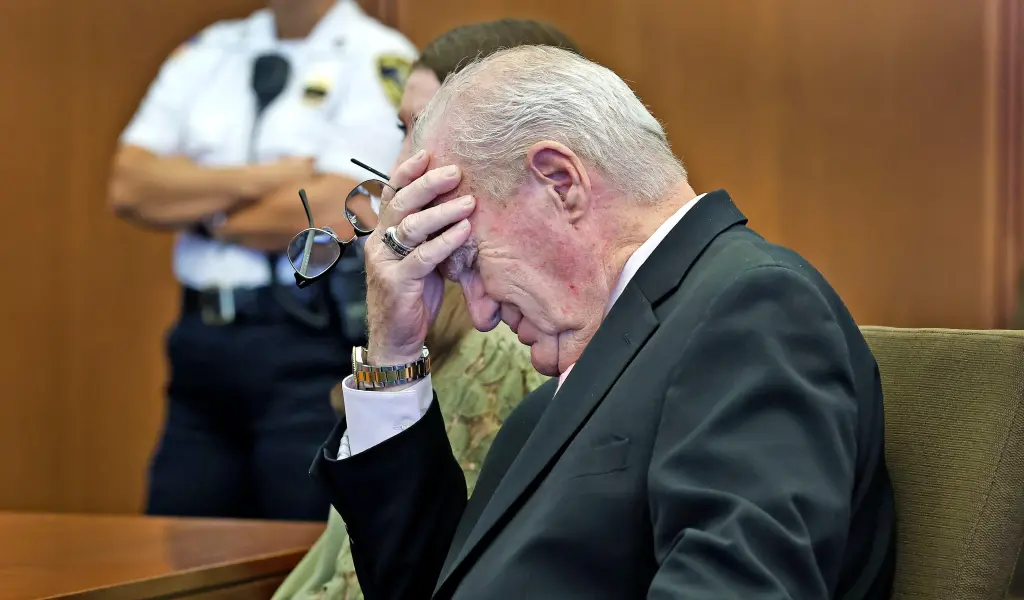
The jury's inability to reach a unanimous verdict resulted in a mistrial, meaning the case was not resolved with a final conviction or acquittal. The court must now determine how the case will proceed, including whether prosecutors will seek a retrial or whether another legal path will be considered.
Clancy's attorney has continued to argue that her mental state should be central to the case. The defense has also sought a ruling that could prevent another jury trial by asking the court to find her not guilty by reason of insanity.
The comments from the juror's brother offer a rare glimpse into the thinking of the person who initially stood apart from the rest of the panel. They also highlight how seriously the juror approached a case in which the evidence and the question of Clancy's mental state were sharply contested.
The legal process is not over, and any future decision about a retrial or other proceedings will be made by the Massachusetts court and prosecutors. For now, the juror's brother's account provides additional context about how the final holdout reached his decision.