President Donald Trump’s $5,000 payment proposal is facing new criticism from economists, who warn that the plan could make inflation worse and add heavily to the federal deficit.
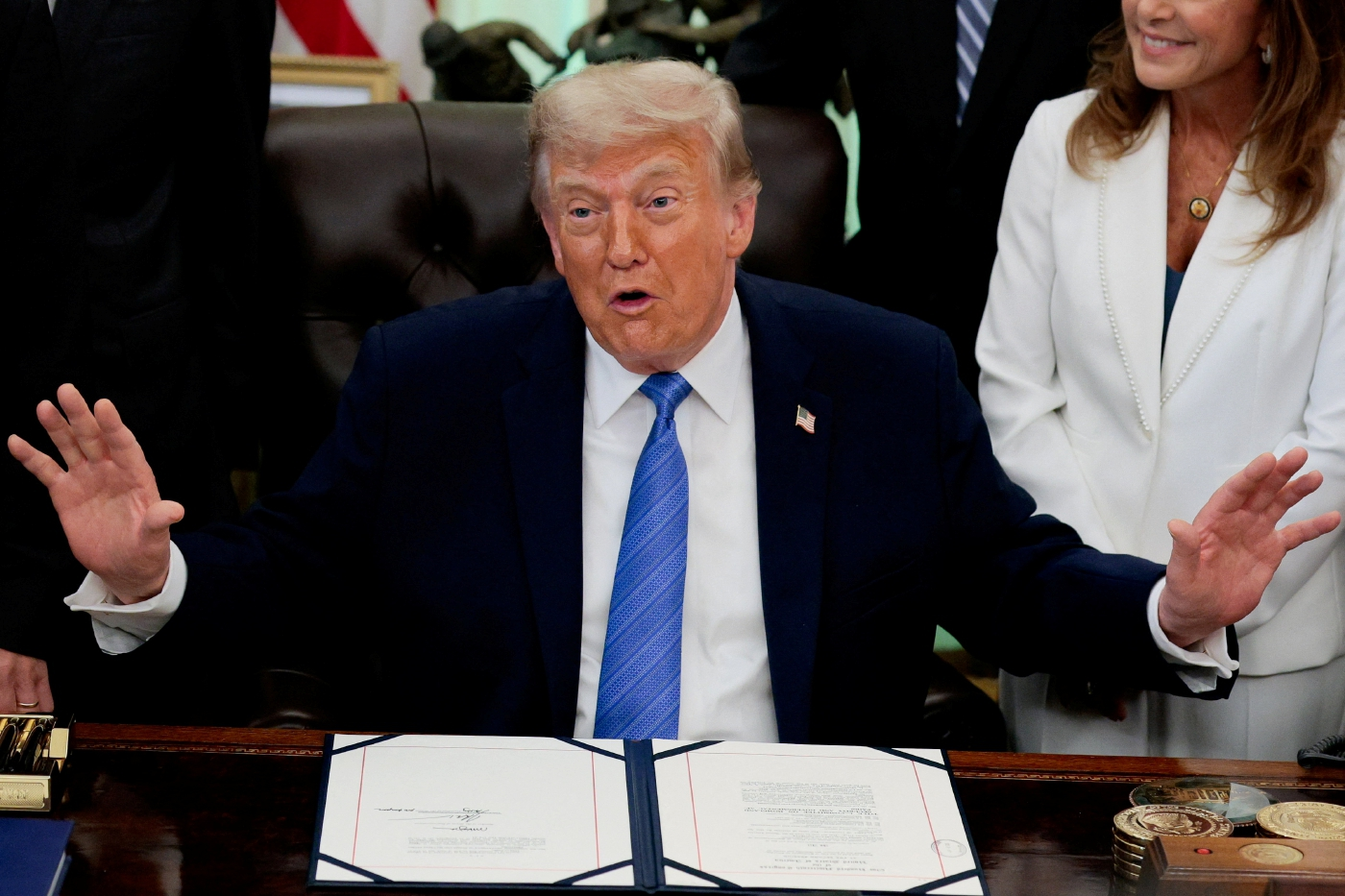
Trump announced the proposed “dividend” during the Republican National Committee’s midterm convention in Dallas. He said every adult U.S. citizen would receive $5,000 if Republicans keep control of both the House and Senate after the November elections.
The idea has attracted attention because of the size of the proposed payment, but economists are now raising concerns about what it could mean for the U.S. economy.
The Committee for a Responsible Federal Budget estimates that sending $5,000 to American adults could cost around $1.2 trillion in a single year. The group said existing tariff revenue would not be enough to cover the full cost of the proposal.
Other economists have warned that putting such a large amount of money into consumers’ hands at once could increase spending and push prices higher. A Tax Foundation economist told CBS News that the payments could add to inflation while also increasing the federal deficit.
The proposal could also put upward pressure on interest rates if investors become more concerned about government borrowing and rising debt. The national debt has already passed $40 trillion.
Trump has continued defending the plan and said Thursday that he does not believe Congress would necessarily need to approve the payments. However, the funding, eligibility rules and legal process remain unclear.
For now, the $5,000 dividend remains a proposal rather than a guaranteed payment, and growing concerns about inflation, debt and how the plan would actually work are likely to keep the debate going.