Thirty years ago, a sheep was born in Scotland who would become one of the most famous animals in scientific history. Her name was Dolly, and she was named after country music legend Dolly Parton.
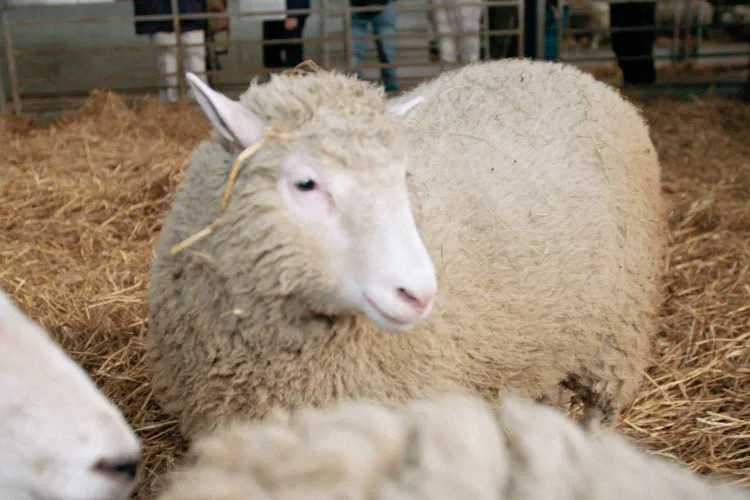
Born at the Roslin Institute near Edinburgh on July 5, 1996, Dolly became the first mammal cloned from an adult cell. Scientists had taken a mammary cell from a six-year-old ewe and used it to create an embryo that was then implanted into a surrogate mother. After 148 days, Dolly was born.
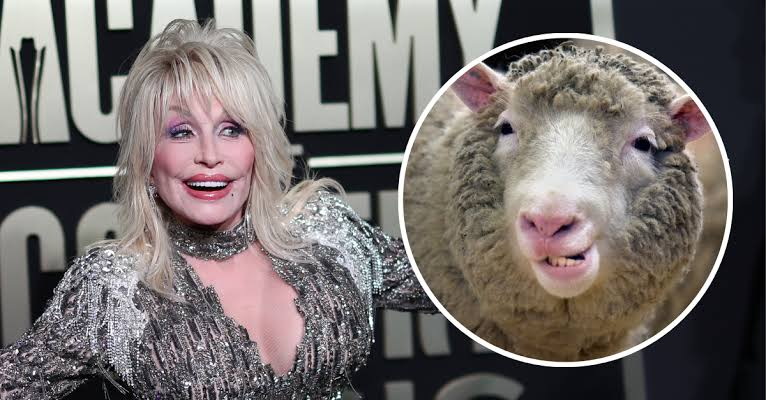
Her arrival was a major breakthrough because scientists had previously believed that specialized adult cells could not be used to create an entire animal. The researchers kept Dolly’s birth secret for months before revealing their work publicly in 1997. The announcement quickly became an international sensation and sparked major debates about cloning and its ethical consequences.

Dolly went on to live a relatively normal life. She became a mother herself, giving birth to six lambs, and was closely monitored by researchers at the institute. She lived for six years before being euthanized in 2003 after developing lung tumors linked to a sheep virus. Her preserved body is now displayed at the National Museum of Scotland.
The scientific impact of Dolly’s birth continued long after her death. The cloning techniques developed through the research helped influence later work in biotechnology and stem cell research, making Dolly’s story much bigger than that of one famous sheep.