The U.S. economy can look healthy in headlines while many households struggle to make ends meet. Behind the broader economic figures, rising debt, limited savings, and the cost of everyday essentials are putting pressure on American families.
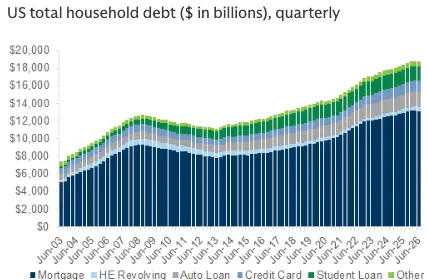
One major concern is household debt, which has climbed above $18 trillion. Credit cards, mortgages, auto loans, and other borrowing can help people cover major expenses, but growing balances can also leave families with less room in their budgets. When unexpected bills arrive, households already carrying debt may have fewer options.
Savings are another part of the problem. Personal savings have fallen below their long-term average, leaving many people with a smaller financial cushion for emergencies. Even families with regular incomes can find it difficult to set money aside when housing, groceries, transportation, and other expenses consume much of their earnings.
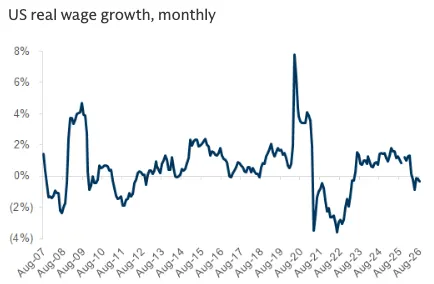
Paychecks have also struggled to provide enough relief. Average hourly earnings increased by just 0.1% in September and were up 3% compared with a year earlier. Meanwhile, inflation remained a concern, with consumer prices in August reported to be 3.4% higher than a year before. When essential costs rise faster than a household can comfortably absorb, even modest wage increases may not feel like meaningful progress.
Consumer confidence has weakened as well. The University of Michigan’s consumer sentiment index fell to 46.3 in October, its lowest reading in five months, reflecting growing concerns about the financial outlook.
Together, these figures point to a gap between the economy’s overall performance and the financial reality many households experience. For families trying to pay bills, reduce debt, and build savings, the challenge is not simply earning money. It is having enough left over to feel financially secure.