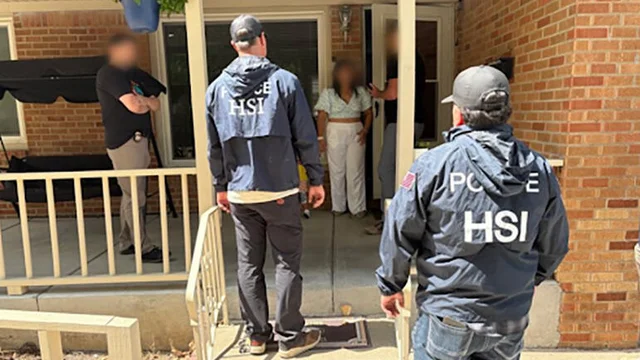
Armed federal agents have been visiting homes across several states, asking residents about their immigration status and whether they have registered to vote or cast ballots in previous elections. The door-to-door operation is part of a federal effort to investigate potential noncitizen voting ahead of the November midterm elections.
According to a CBS News investigation published October 21, agents from Homeland Security Investigations, an enforcement division of the Department of Homeland Security, have increased these visits since September. The agency is seeking to identify people suspected of registering or voting illegally, with officials relying on government databases and voter records to identify potential cases.
The Department of Homeland Security has claimed that as many as 250,000 noncitizens could be illegally registered to vote. However, election experts have disputed the estimate. The Justice Department reported that 156 people had been charged with voting-fraud-related offenses since the beginning of the Trump administration, compared with approximately 227 million registered voters nationwide.
The operation has sparked concern among civil rights advocates and election experts, who warn that inaccurate records or mistaken identity could place eligible voters under scrutiny. Critics also argue that armed agents appearing at private homes could intimidate naturalized citizens and discourage eligible Americans from participating in elections.
Federal officials defend the effort, saying they are working to enforce election laws and ensure that only U.S. citizens vote in federal elections. The administration has emphasized that noncitizen voting is illegal, while maintaining that its investigations are being conducted professionally.
The campaign is also facing legal challenges from groups questioning the federal government's role in voter eligibility checks, which are traditionally handled through state election systems.
With the midterms approaching, questions remain about the accuracy of the information used to identify potential cases, how many investigations will lead to charges, and whether the visits could affect voter participation. The dispute has placed election security, civil rights, and the boundaries of federal enforcement under renewed scrutiny.