
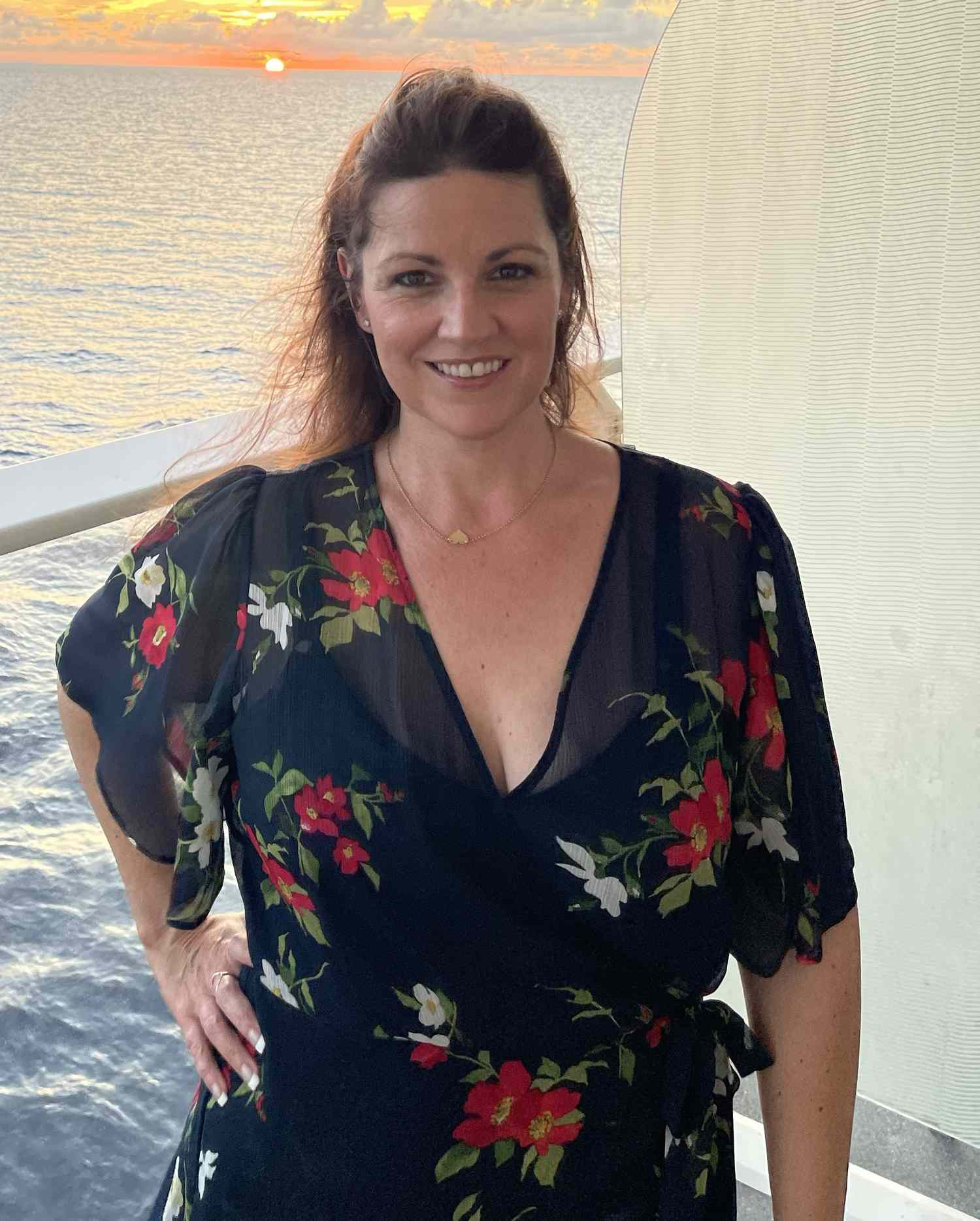
Sharon Ginnegar was 48 years old and, by all accounts, healthy. She had decided to undergo plastic surgery — a personal choice, like millions of Americans make every year. The procedure was scheduled at an outpatient facility. It lasted ten hours.
She didn't make it home.
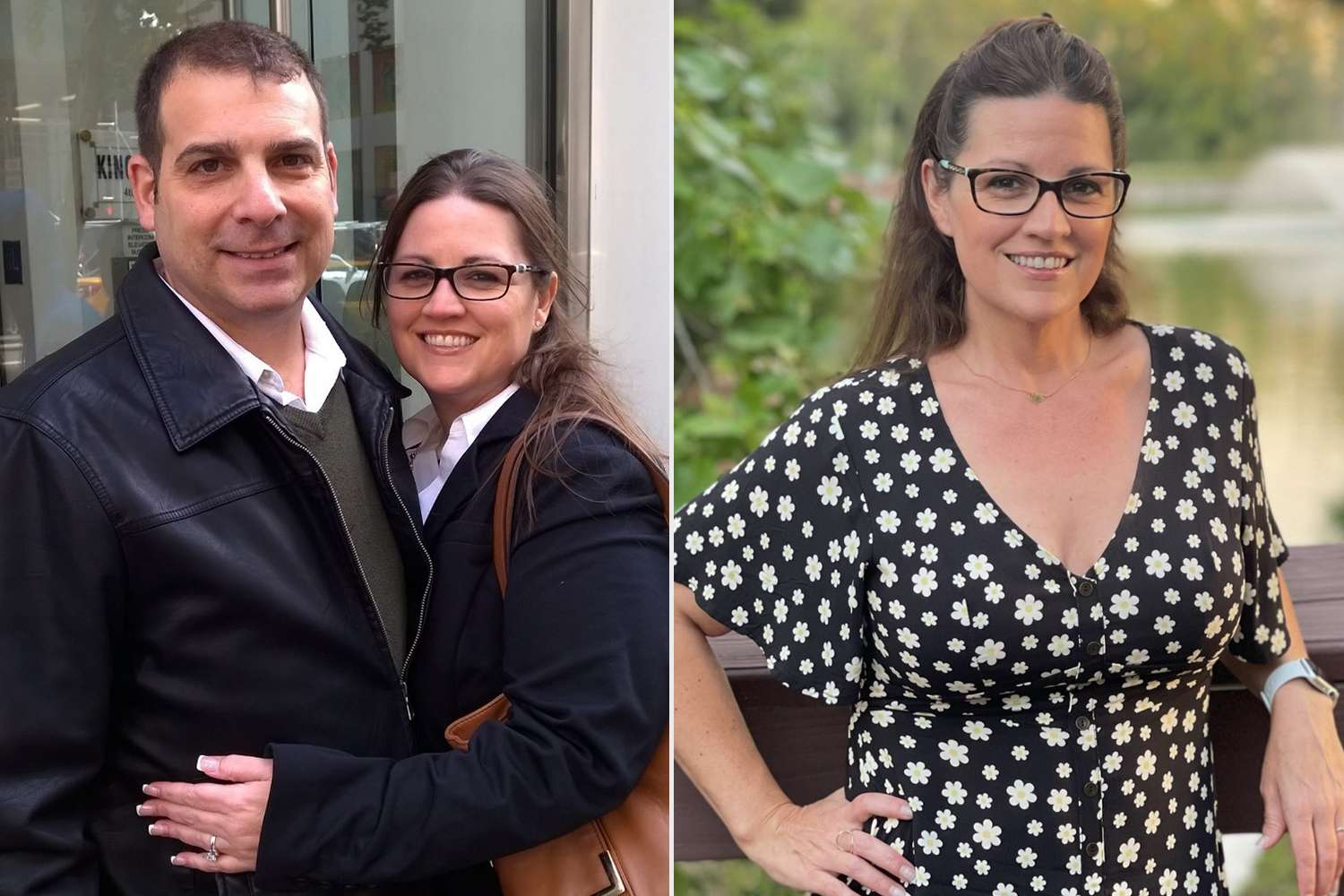
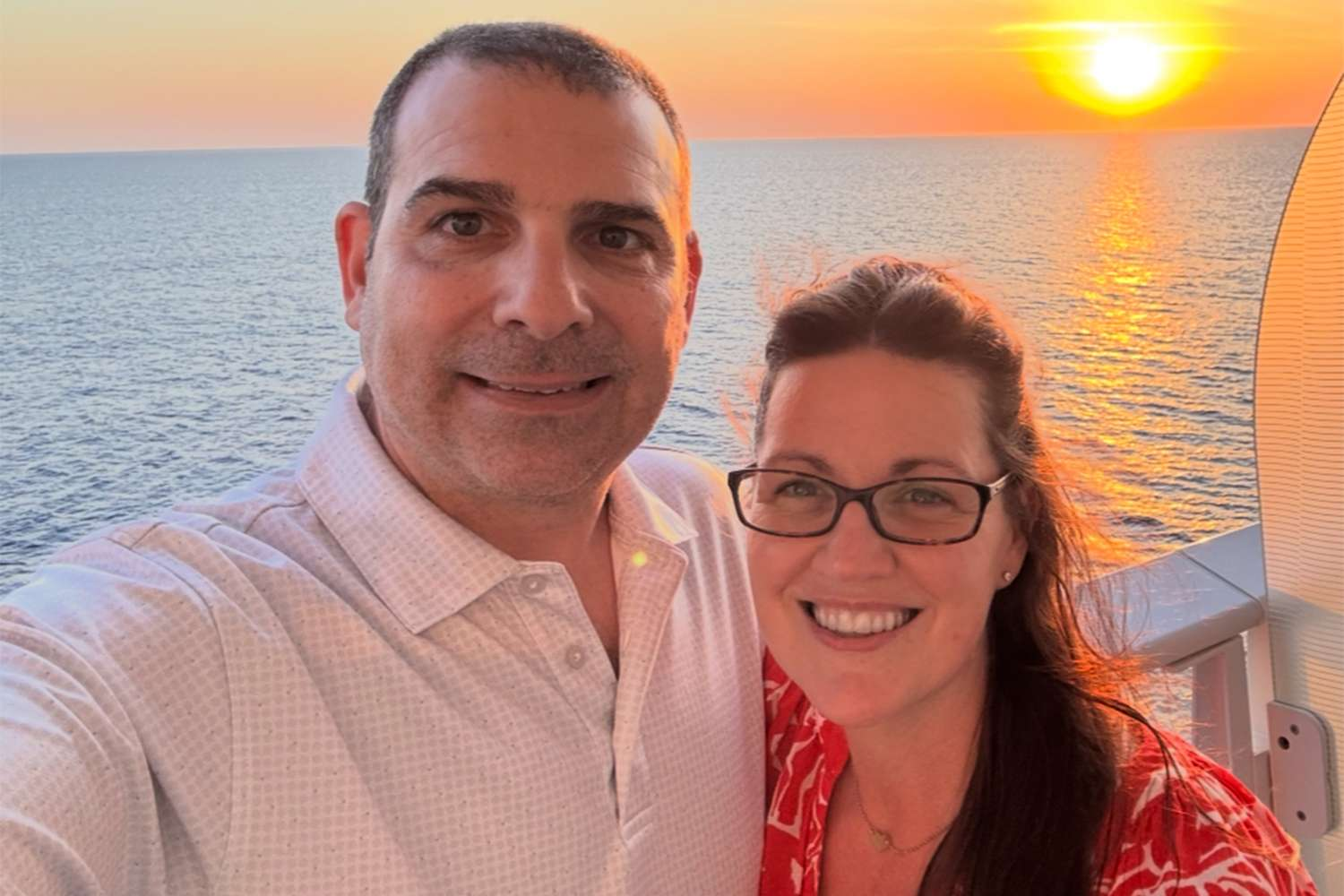
Halfway across the Rocky Mountains on his motorcycle, her husband Peter got a call that stopped everything. The hospital told him his wife had stopped breathing after surgery. They'd revived her with CPR. He turned around immediately — but by the time he reached her, the situation had already gone too far.
Sharon died. And now Peter is suing.
His lawsuit targets the outpatient facility where the surgery took place. According to Peter, the staff was not equipped to handle a complication of that scale. A 10-hour surgery is long. In a hospital setting, there are backup systems, specialist teams, and intensive care units standing by. In many outpatient centers, there aren't.
That's the part Peter wants people to understand.
Outpatient surgical facilities have grown significantly over the past two decades. They're cheaper, more convenient, and faster than hospitals. For the right procedures, they work fine. But critics — and now grieving families — are raising a harder question: what happens when something goes wrong?
Peter's answer, based on what happened to Sharon, is that sometimes the answer is nothing. Or not enough.
He's not trying to scare people away from plastic surgery. He's asking for something simpler — that patients know what they're signing up for before they walk through the door. What's the emergency protocol? What happens if a routine procedure becomes a crisis at hour seven? Is there someone there who can handle it?
Sharon didn't get to ask those questions. Or maybe she did, and the answers sounded reassuring enough.
Nobody books a surgery expecting the worst. That's exactly why Peter says someone needs to keep talking about this — because the facilities aren't going to bring it up on their own.
He's turned the worst moment of his life into a warning. Whether anyone listens is a different story.
If you or someone you know is planning an elective procedure, ask your provider directly: what is the emergency plan if something goes wrong?
It's a question worth asking.