
Lauren Casey was just 15 when sharp hip and lower back pain started ruining her life. A high school band member carrying a heavy tenor saxophone, she thought the 10-pound instrument might be to blame. But as pain worsened during her fast-food job — especially standing or walking — she knew something serious was wrong.
For eight long years, doctors couldn't figure it out. Internists called it a "twisted pelvis." An osteopath dismissed her. A physical therapist offered exercises that didn't help. One even suggested her pain was "all in her head." Lauren kept pushing through college, earning a computer science and math degree while popping painkillers and using heating pads. "It slowed me down, made things hard to enjoy," she remembers, "but I just kept going."
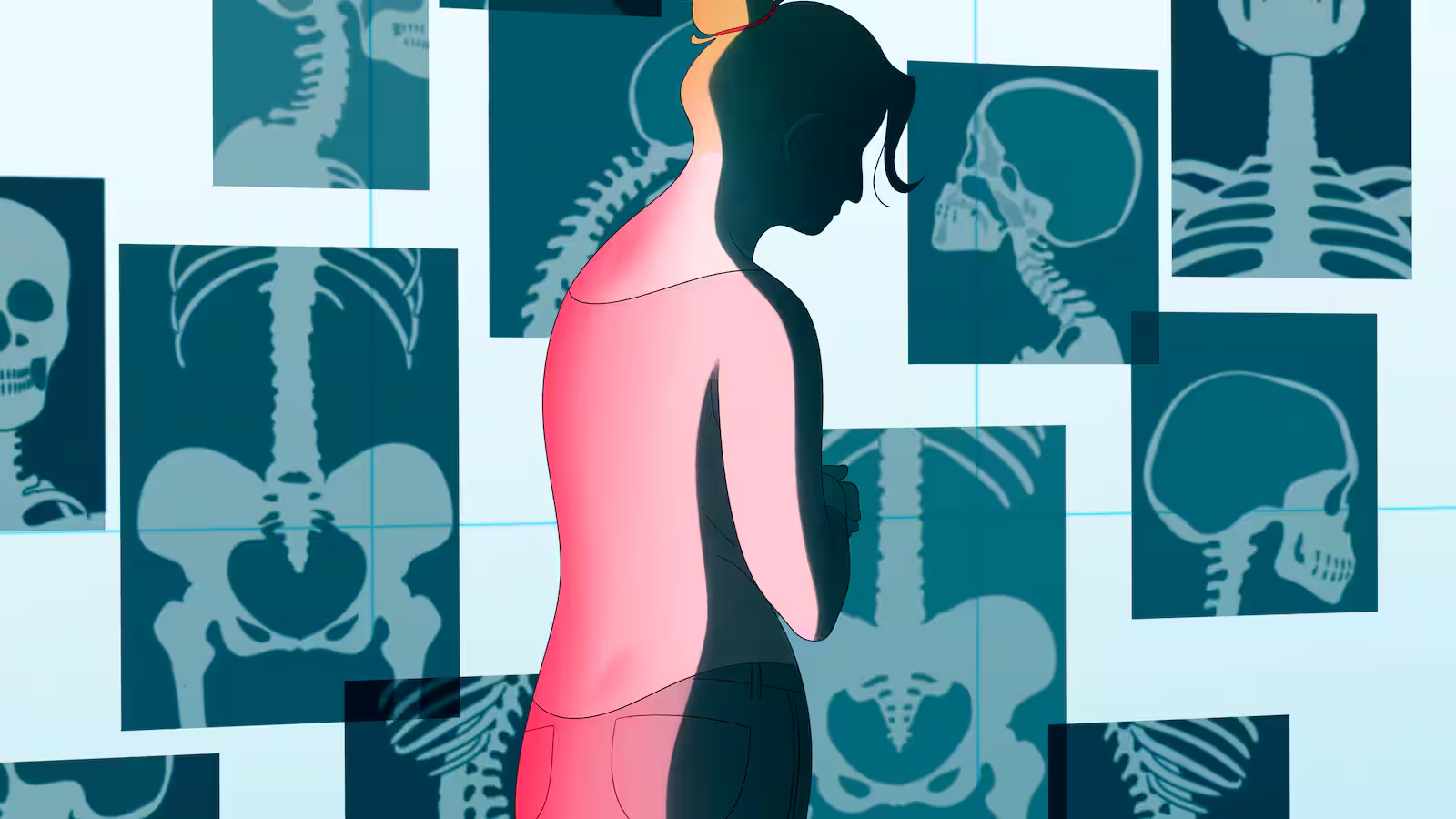
The real answer came after her family moved near Chicago. Her dad convinced her to try a new chiropractor who finally ordered full-spine X-rays and an MRI — tests no one had thought to do before. The images showed something shocking: her upper spine hadn't formed right in the womb. A rare birth defect called basilar invagination meant a bony part of her spine (the dens) was pushing into her skull base, squeezing her spinal cord by 50%.
Neurosurgeons Russ Nockels and Amin Kassam were stunned. "The entire stability system failed," Nockels said. This condition affects only 1-2 people per million. A simple fall or car stop could have paralyzed or killed her. "She was one accident away from disaster," her surgeon warned.

In January 2024, Lauren underwent groundbreaking multi-stage surgery. Doctors didn't remove the misplaced bone like in older methods — they carved a slot in her skull base and slid the dens forward into its proper spot. A 3D model of her brain helped navigate the dangerous area packed with vital nerves and arteries. She wore a halo brace for a month, slept sitting up, and needed help swallowing soup. Recovery was rough.
Today, Lauren's hip pain is gone. She walked pain-free through Las Vegas on vacation — seven full days without discomfort. She lost some neck movement and lives with minor spine issues, but she's free. "I lived with this for years not knowing," she says. "I'm just relieved someone finally found it."

Her story shows why persistent pain deserves real answers, not dismissal. One right test changed everything.