
A woman named Tippy McInerny started noticing strange twitching on one side of her face after a routine dental visit. What began as small movements around her eye and cheek quickly became constant spasms that she could not control. For over two years, she visited eight different doctors and had three brain scans, hoping to find answers.
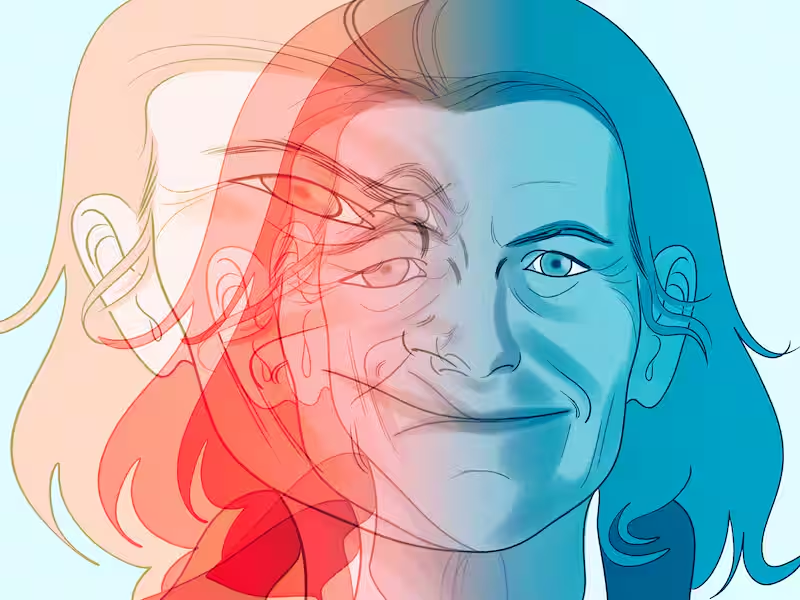
At first, no one could explain what was happening. The twitching affected her daily life — making it hard to work, smile naturally, or even relax. She wondered if the dental work, which involved several injections and keeping her mouth open for a long time, had somehow triggered the problem. But most doctors she saw dismissed the connection and focused on other possible causes.
Hemifacial spasm is a real condition where muscles on one side of the face twitch repeatedly. It often happens because a blood vessel presses against a facial nerve near the brain, irritating it over time. The movements can start small but grow stronger, pulling at the eye, mouth, or cheek without warning. While it is not dangerous, it can feel embarrassing and exhausting for those who have it.
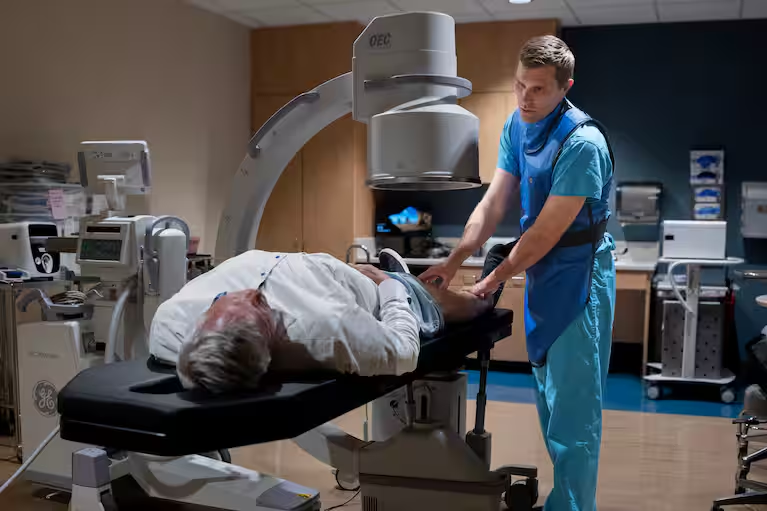
In Tippy's case, specialists eventually used detailed scans to spot the issue. They found a blood vessel too close to the nerve, causing the nonstop twitching. The timing with her dental appointment seemed suspicious, but experts explained that dental work rarely damages deep facial nerves. Still, the stress or position during the procedure might have made symptoms more noticeable.
Treatment options for this kind of face twitching vary. Some people try medications to calm the nerve or injections to relax the muscles temporarily. Others choose a surgery called microvascular decompression, where doctors gently move the blood vessel away from the nerve and place a tiny pad between them. This can stop the spasms for good in many cases, though recovery takes time.

Stories like Tippy's show how hard it can be to diagnose nerve problems. What seems like a minor tic might point to something deeper in the brain. Getting the right tests and specialists makes all the difference. After years of frustration, she finally had a clear path to relief and a normal life again.