
In South Korea, higher education institutions are facing fresh scrutiny and growing concerns over ethical standards amid intense competition to attract international students. Allegations and investigations have emerged suggesting that some colleges may be prioritizing global rankings and overseas enrollment over academic integrity sparking debate about the future of Korean universities on the global stage.
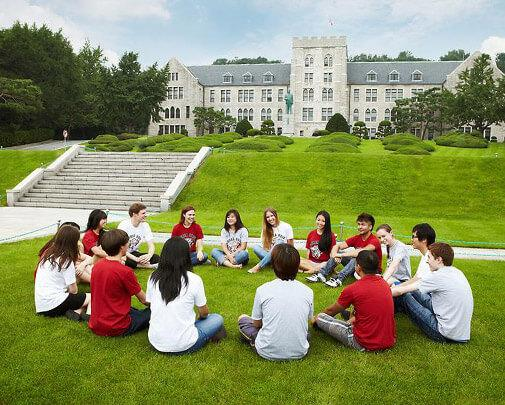
According to recent reports, elite institutions like Yonsei University and Korea University have been implicated in controversial recruitment practices described by critics as involving so‑called “academic mercenaries”. These accusations claim that some students may be sought primarily to improve statistical indicators such as international enrollment figures and academic reputation metrics used in global university rankings — rather than strictly on academic merit.
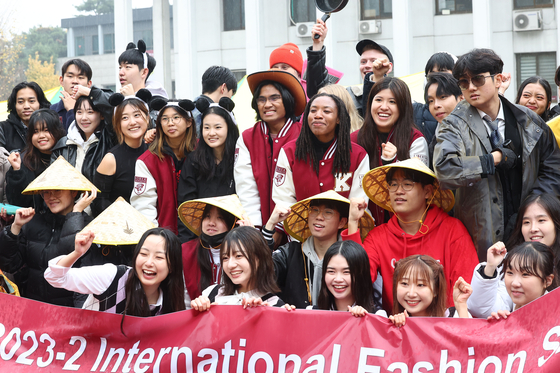
While the universities themselves have not been formally sanctioned, these allegations have prompted police inquiries and raised wider questions about how foreign student admissions are being managed. The concern is that aggressive recruitment strategies could undermine the credibility of admissions standards and blur the line between academic excellence and competitive positioning.
This situation is part of a broader trend in which universities worldwide increasingly vie for international students — not only for tuition revenue but also for visibility in global league tables. In South Korea’s case, the rapid expansion of foreign student enrollment over recent years reflects both the country’s growing educational appeal and its universities’ aspirations to be recognized internationally. However, the latest controversy suggests that the methods being used to attract students may be drawing unintended criticism and legal attention.
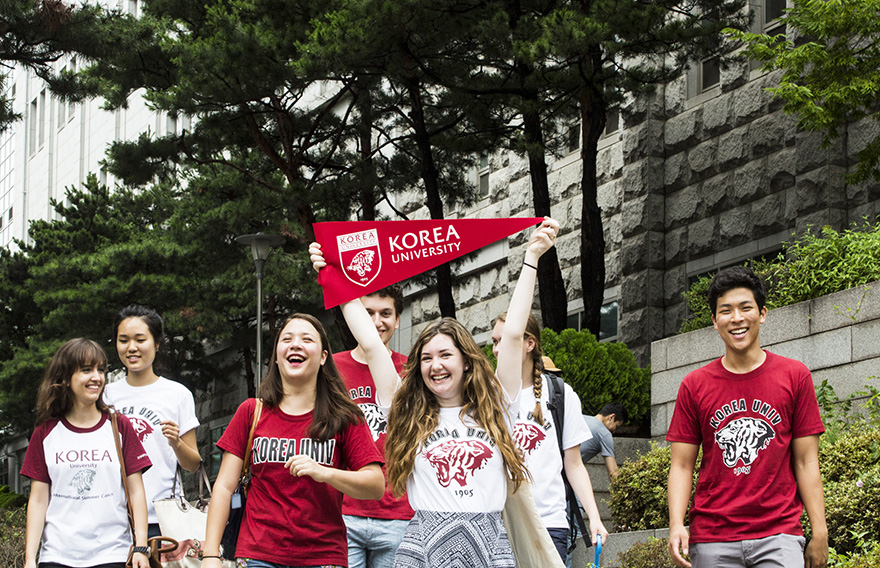
Educational observers say that the issue highlights the tension between maintaining high academic standards and adapting to the global competition for talent. Universities have felt pressure to demonstrate they are internationally diverse and competitive, but doing so at the expense of transparent and fair admissions processes could damage long‑term trust from prospective students and the global academic community.
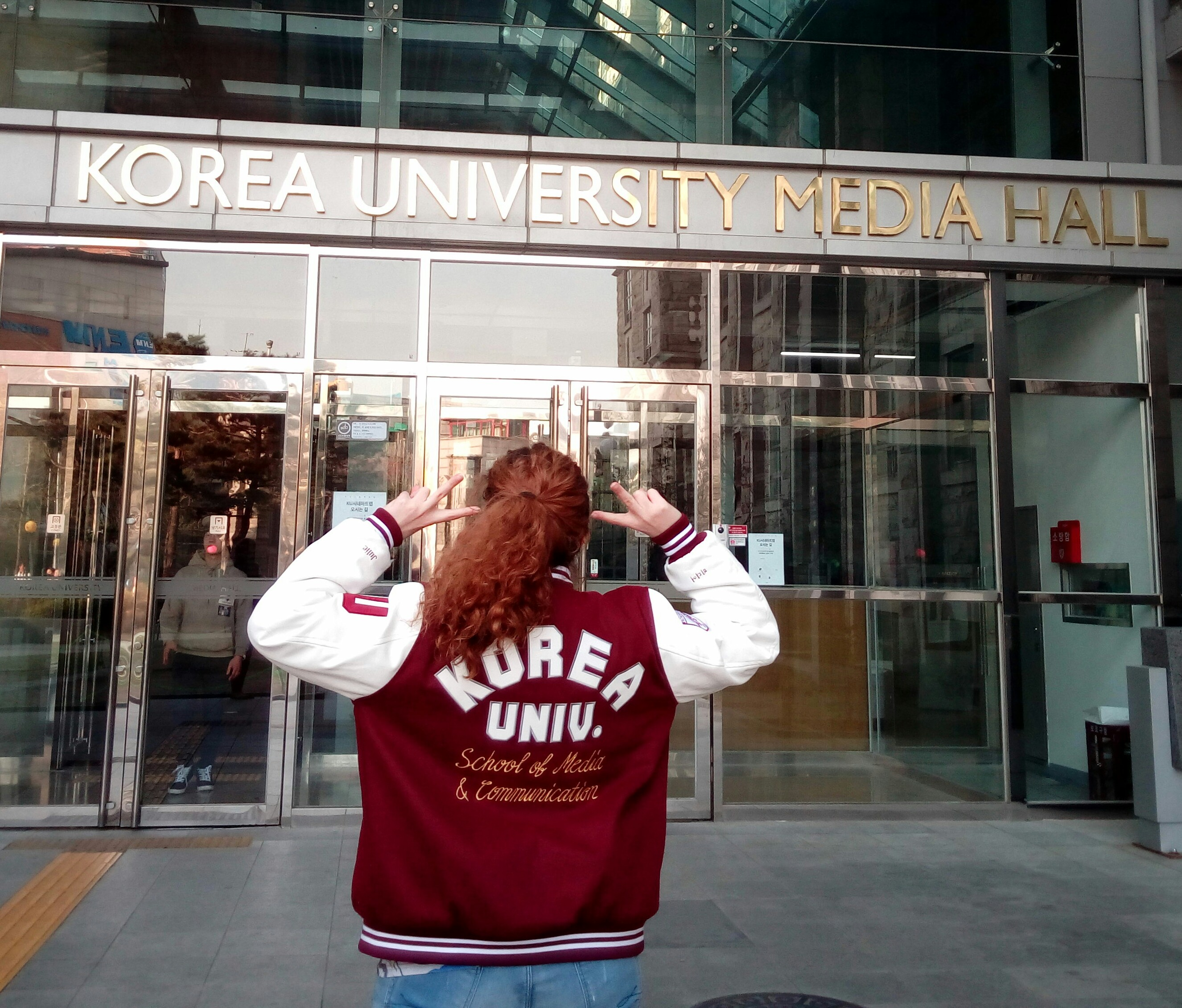
Some experts argue that Korean universities must balance their ambition to rise in global rankings with a commitment to maintaining rigorous academic entry requirements. They warn that failing to address these ethical concerns could lead to further investigations and tarnish the reputation of Korean higher education abroad.
For now, discussions continue among academics, student groups, and policymakers about how best to ensure both international competitiveness and academic integrity in Korea’s universities.