Kimchi stew is one of the most beloved comfort dishes in Korean cuisine, commonly enjoyed at home and in restaurants across South Korea. However, nutrition experts say that the ingredients added to the stew can significantly influence how it affects blood sugar levels—especially for people managing diabetes or following a healthier diet.
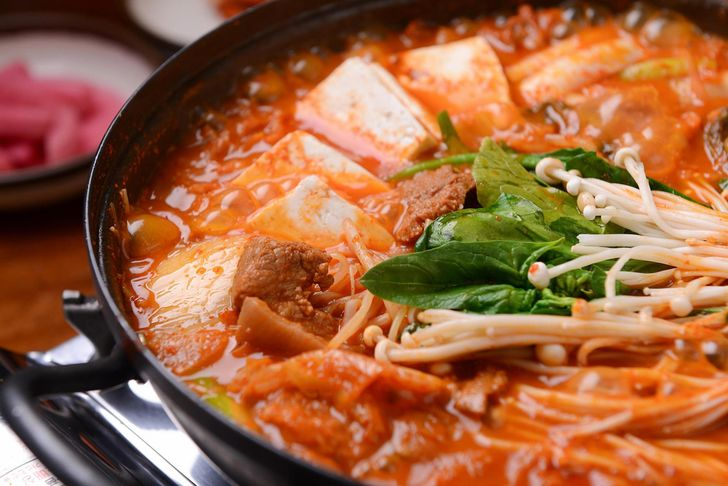
Selecting low–glycemic index (GI) ingredients is one of the most effective ways to make kimchi stew more blood-sugar friendly. Ingredients such as onions and tofu are particularly helpful because they slow carbohydrate absorption and reduce post-meal glucose spikes.
Among these ingredients, onions stand out for their stabilizing effect on blood sugar. Onions contain quercetin, a natural antioxidant known to improve insulin sensitivity and support better glucose control. In addition, the soluble fiber found in onions helps slow digestion, allowing blood sugar to rise more gradually after meals rather than sharply.
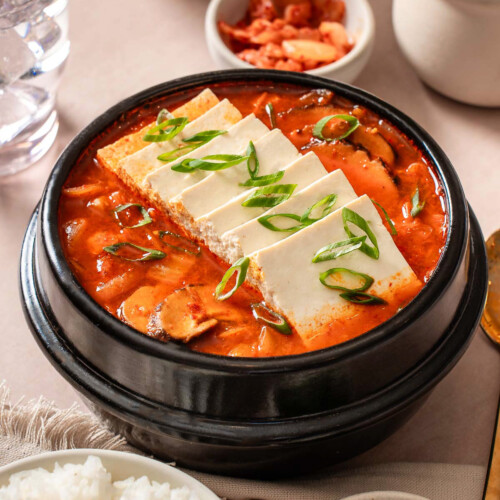
Tofu is another excellent addition to kimchi stew for people monitoring their blood sugar. As a protein-rich and low-GI ingredient, tofu reduces the overall glycemic impact of the dish while increasing satiety. This makes it a practical choice for those trying to balance nutrition without sacrificing flavor.
Garlic and green onions, both essential flavor components in many Korean recipes, also play a role in healthier stew preparation. Although garlic contains carbohydrates, it is typically used in small quantities, meaning its effect on blood sugar remains minimal. Similarly, green onions enhance taste without significantly affecting glucose levels.

On the other hand, experts advise limiting ingredients such as gochujang (Korean red chili paste). Because gochujang contains added sugars and has a medium-to-high glycemic index, even small amounts can contribute to noticeable increases in blood glucose levels. Additionally, drinking too much of the stew’s broth—which often contains seasoning, fats and sugars—may further accelerate blood sugar spikes.
Simple adjustments can make a meaningful difference. Increasing the proportion of vegetables and tofu while reducing high-GI seasonings allows people to continue enjoying kimchi stew as part of a balanced diet. Experts also recommend eating more of the solid ingredients than the broth and taking a short 10- to 30-minute walk after meals to help manage blood sugar levels more effectively.

With thoughtful ingredient choices, this classic Korean comfort food can remain both satisfying and supportive of healthier eating habits.