
South Korea is accelerating its lunar exploration ambitions with a goal to achieve a moon landing by 2030, moving up from an earlier target of 2032. The space strategy focuses on combining government efforts with private sector innovation to reach the lunar surface sooner than originally planned.

Under this initiative, a civilian‑led lunar lander project that would see a spacecraft touch down on the moon by 2030 has been chosen for a preliminary feasibility study by national research authorities. If approved, this project will mobilize private companies in designing and developing the lunar lander — a move that reflects South Korea’s intent to strengthen its domestic space industry and compete globally in space exploration.
This civilian‑led plan is separate from the existing government‑led mission that targets a moon landing in 2032 as part of the Korean Lunar Exploration Program, which includes a larger lander and rover developed by the Korea Aerospace Research Institute (KARI).

The rationale behind the acceleration is tied both to global competition and to nurturing South Korea’s private aerospace capabilities. Officials see an earlier moon landing as an opportunity to bolster the space ecosystem, attract investment, and enhance technological expertise in robotics, propulsion, and lander design. In doing so, South Korea would join a select group of nations that have successfully soft‑landed on the moon as a result of independent domestic or commercial missions.
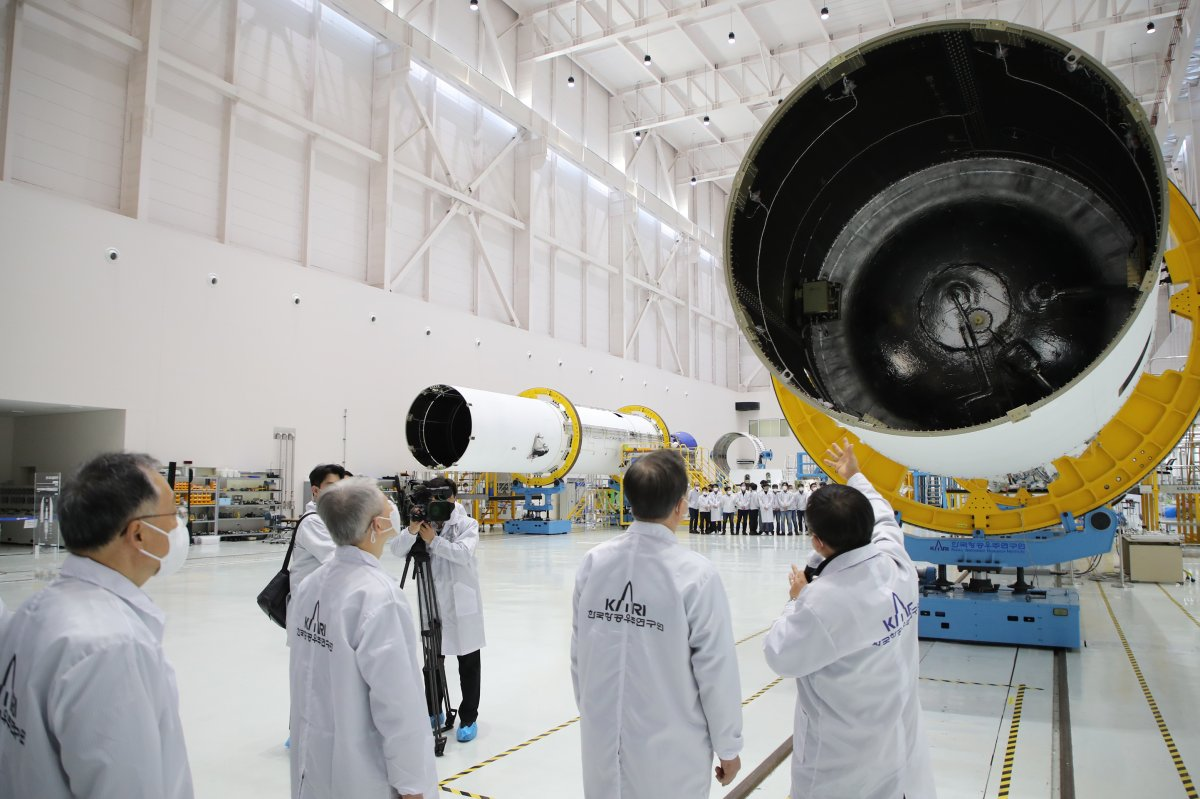
Achieving a 2030 landing would also align with broader trends in space exploration, where private enterprises are increasingly involved in missions traditionally dominated by government space agencies. This approach mirrors developments in the U.S. and elsewhere, where commercial lunar landers are part of NASA’s Commercial Lunar Payload Services (CLPS) and similar programs.
If the preliminary feasibility study and development proceed as planned, South Korea’s new lander could launch two years earlier than its state‑led counterpart, potentially making it one of the earliest successful Asian lunar landings after China, Japan, and India.
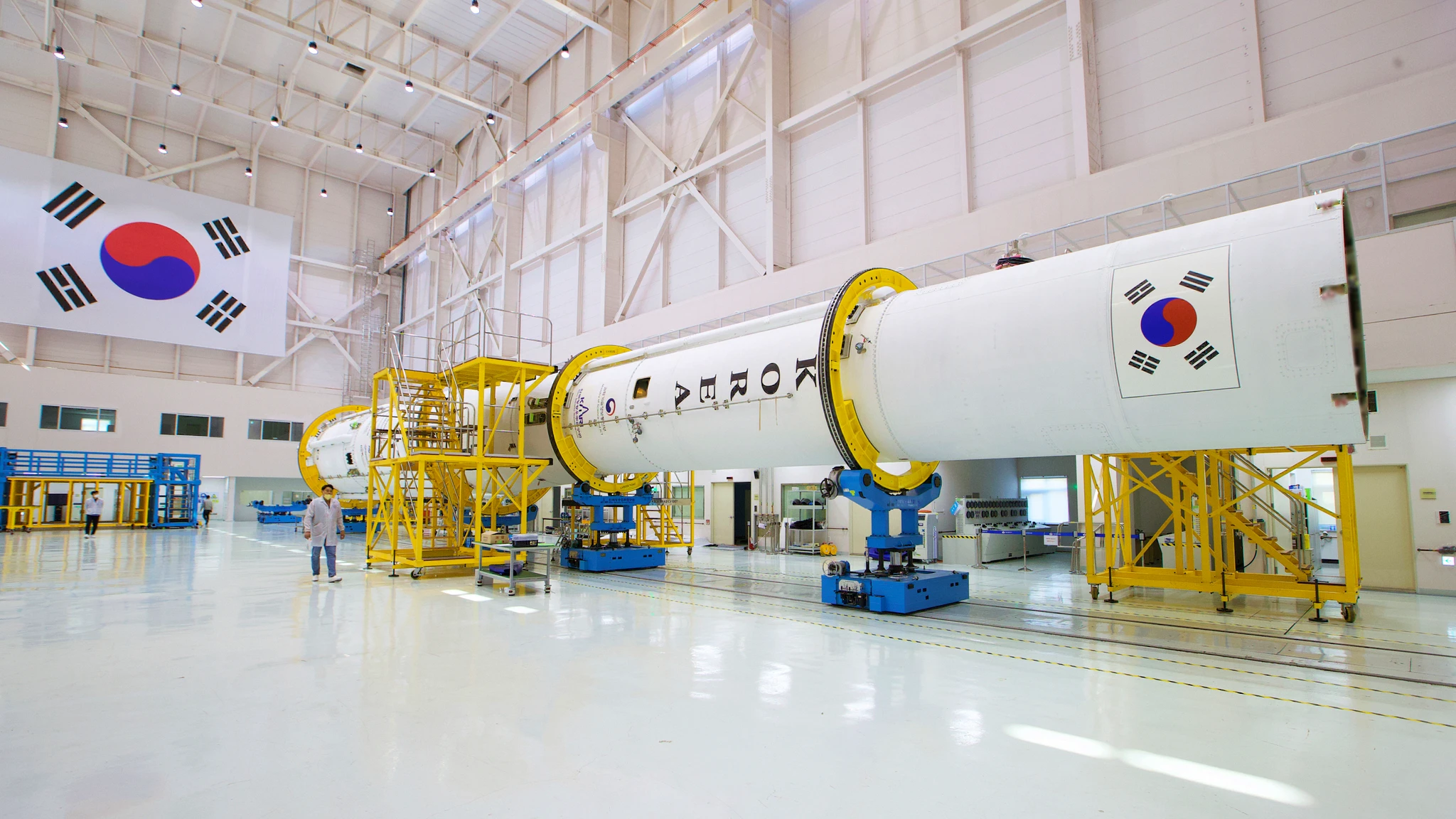
In addition to boosting national pride, a successful lunar landing would help advance South Korea’s long‑term space strategy, which includes expanding space science research and laying groundwork for future deep‑space exploration, possibly including missions beyond the moon.