
A growing trend known as “hip Buddhism” is attracting large numbers of young visitors in Seoul, where traditional religious culture is being reinterpreted through modern design, lifestyle products, and social-media-friendly experiences. The shift became especially visible at the Seoul International Buddhism Expo, where Gen Z visitors gathered in large numbers to explore temple-inspired merchandise and creative cultural displays.
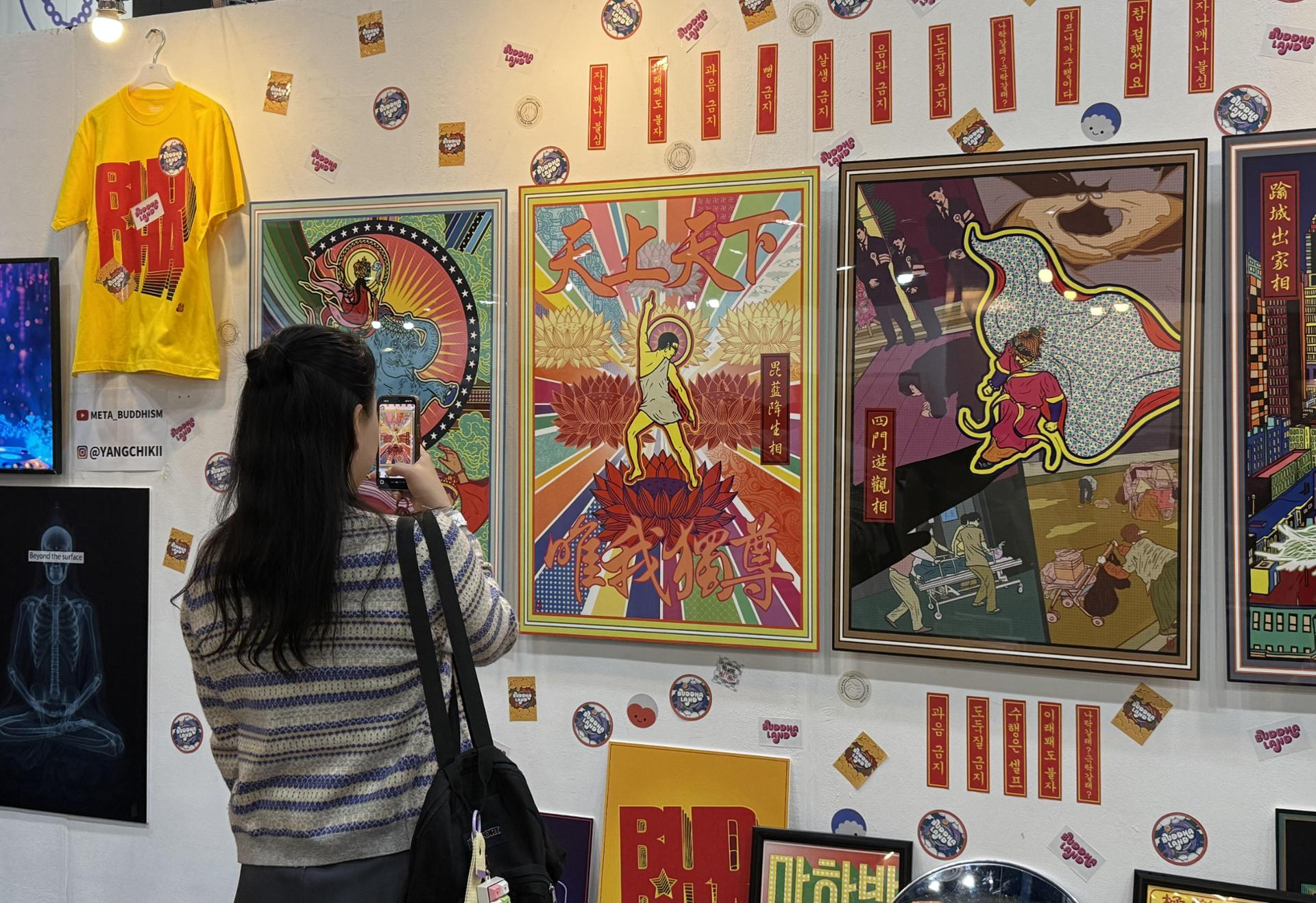
The once traditional Buddhist trade fair has transformed into one of Seoul’s trendiest lifestyle events, featuring booths with meme-style messages, modern graphics, and products inspired by Buddhist teachings. Items such as shirts printed with phrases like “Awaken,” towels labeled “Wiping Away Delusions,” and playful stickers referencing enlightenment concepts drew strong interest from younger visitors.
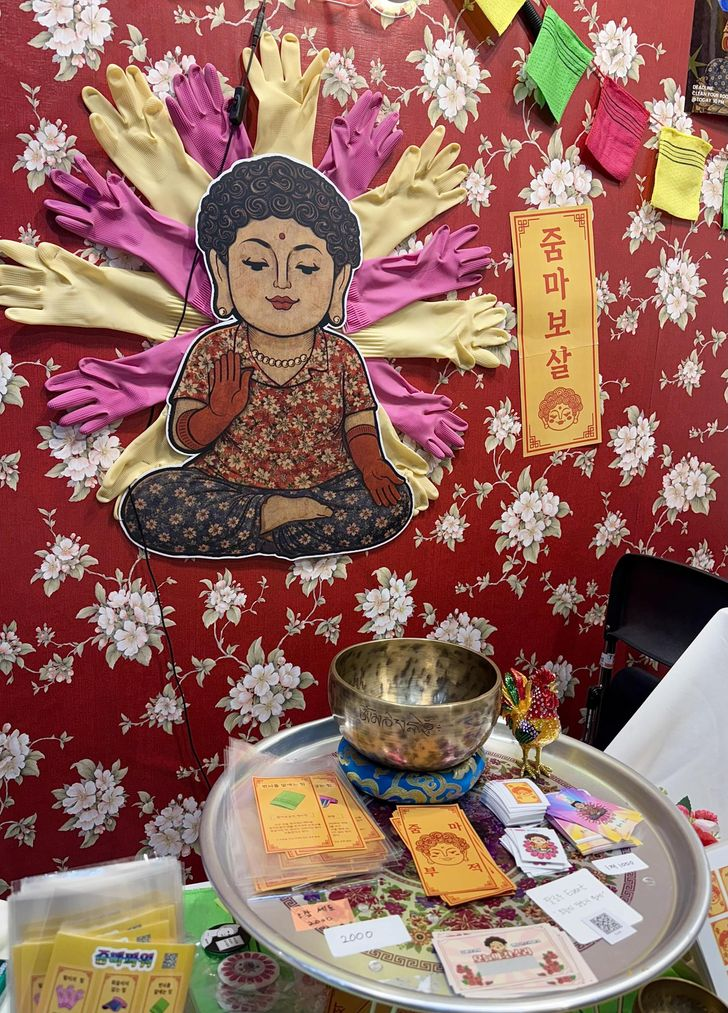
The expo was organized under the theme “Form Is Emptiness, Emptiness Is Form — Play With Emptiness in Your Own Way,” reflecting an effort to present Buddhist ideas in ways that feel approachable and relevant to modern audiences. Visitors also explored creative items such as moktak keyrings, Dalma portraits, incense products inspired by temple scents, and decorative objects designed as stress-relief desk accessories.
Many attendees said they were drawn less by formal religious practice and more by Buddhism’s calming image and open cultural appeal. Some described the event as feeling closer to a lifestyle fair than a traditional religious gathering, highlighting how spirituality is increasingly being experienced through design, fashion, and everyday objects.
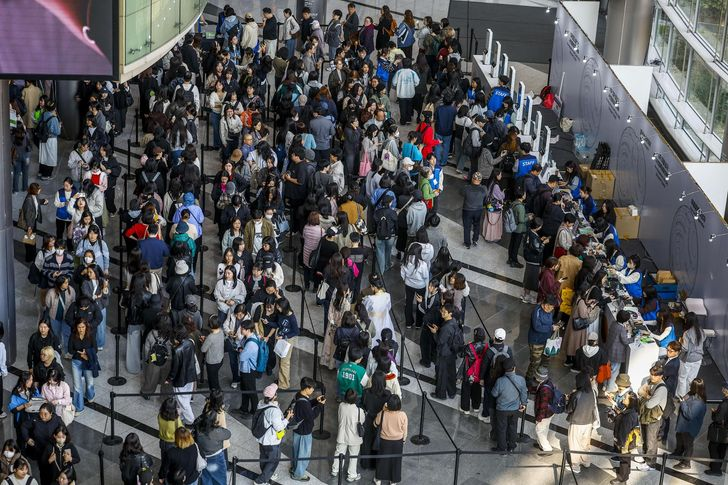
Attendance numbers also reflect this shift. Organizers estimated roughly 120,000 visitors in just the first two days of the expo, with expectations that the total would reach about 250,000 visitors by the closing period, and women in their 20s and 30s forming a large share of participants.
The trend aligns with broader changes in South Korea’s religious landscape. A 2025 national survey found that 51% of Koreans reported having no religious affiliation, yet Buddhism recorded the highest favorability score among major religions at 54.4 points, suggesting strong cultural interest even among non-followers.
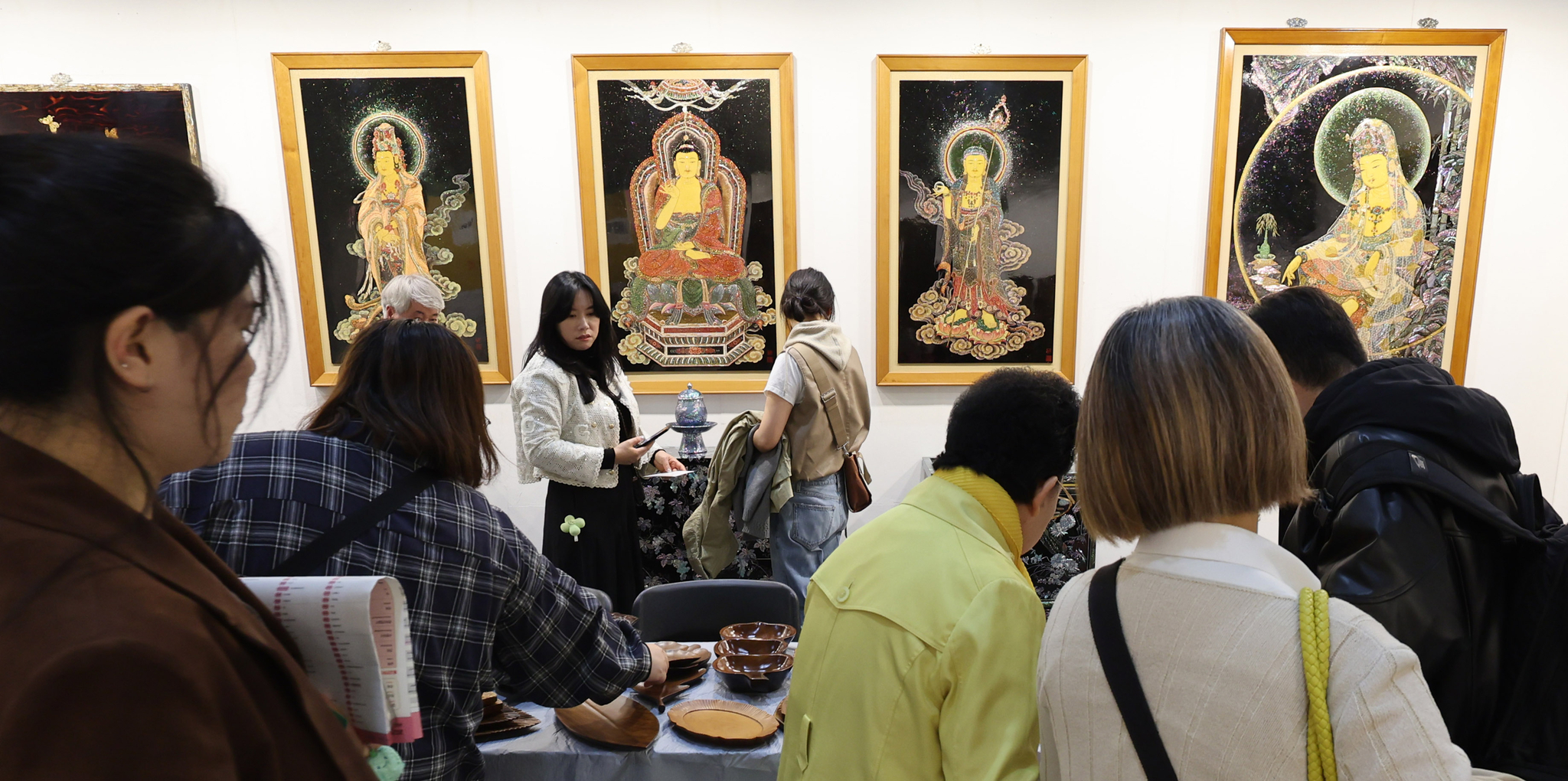
While some observers welcomed the renewed attention toward Buddhist culture, others noted concerns that merchandise-focused engagement could overshadow deeper spiritual understanding. Still, the popularity of “hip Buddhism” demonstrates how traditional cultural heritage in Seoul continues evolving to connect with younger generations in new and creative ways.