
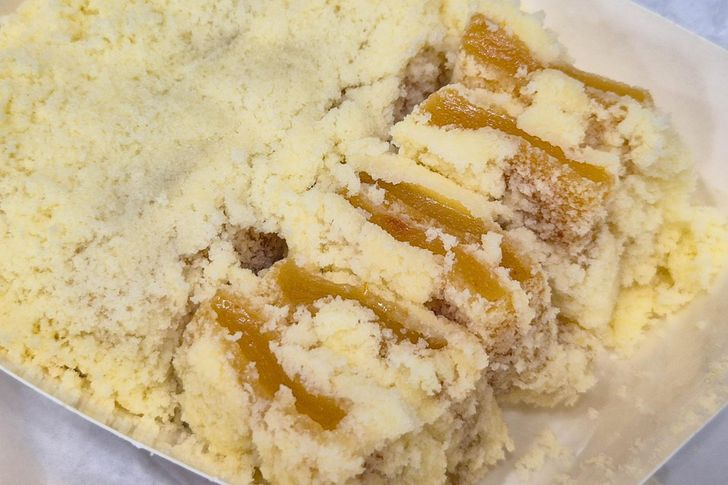
Gwangju, South Korea, is a city full of unique experiences for travelers looking beyond Seoul and Busan. Known for its vibrant culture, Gwangju combines trendy cafés, viral food sensations, and historic neighborhoods, making it perfect for a full day of exploration. Among the city’s current food crazes, the pumpkin injeolmi at Changeok Tteok is a must-try. This chewy pumpkin-flavored rice cake has gone viral, attracting long lines of locals and visitors alike. Foodies won’t want to miss this iconic sweet, which captures both traditional Korean flavors and modern foodie trends.
The neighborhoods of Yangnim-dong and Dongmyeong-dong are ideal for a leisurely stroll. These areas blend traditional hanok buildings with modern craft shops and artisanal cafés. Spots like Hoyang Horim serve pour-over coffee with traditional rice donuts, while Teasoha offers handmade teas and desserts such as sweet bean jelly and matcha parfaits. Mulheureudeut, a café specializing in hand-drip coffee, is another must-visit for coffee enthusiasts. These neighborhoods showcase how Gwangju seamlessly fuses tradition with contemporary lifestyle.
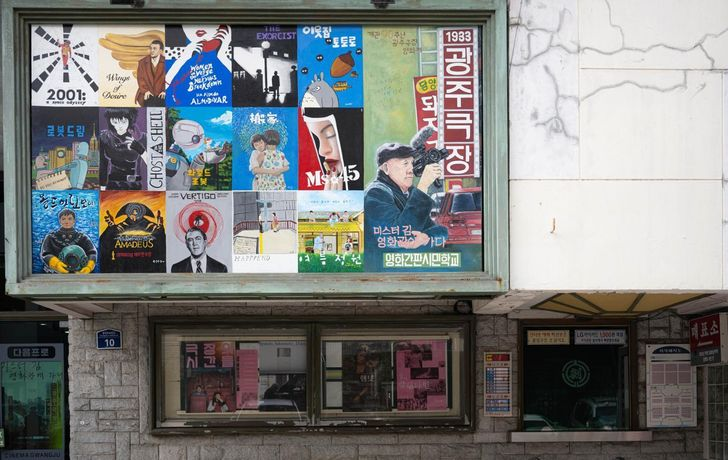
For film lovers, Gwangju Cinema provides a nostalgic experience. Established in 1935, this historic single-screen theater offers indie and classic film screenings, preserving the charm of old-school movie-going in Korea. The wooden interiors and vintage lobby make it an immersive cultural experience, perfect for those interested in Korean cinema history.
Art and local creativity also shine in Penguin Village, a unique alley filled with sculptures and installations made from repurposed materials. This community-driven art project provides both quirky photo opportunities and a glimpse into the city’s grassroots art scene. Visitors can enjoy colorful artwork and imaginative spaces while exploring the streets nearby.
Finally, Gwangju’s historic architecture adds depth to the cultural experience. Sites like the Lee Jang-woo House feature late-Joseon era design and preserved gardens, while colonial-era buildings and hanok structures dot the city, offering a peek into Korea’s rich architectural heritage. Spring is the perfect time to visit, with mild weather, blooming flowers, and fewer crowds than larger cities. Whether you’re a foodie, culture enthusiast, or off-the-beaten-path traveler, Gwangju offers a memorable blend of trends, tradition, and charm.