
A lively cultural debate has emerged in South Korea over what lettering should be displayed on Gwanghwamun, the main gate of Gyeongbokgung Palace in central Seoul. The gate, one of the most iconic symbols of Korea’s history and heritage, has traditionally displayed its name in Korean script (Hangul) and Chinese characters (Hanja). Now, scholars, citizens, and cultural critics are discussing whether both scripts should remain, whether one should be emphasized, or whether changes should be made to reflect contemporary identity.
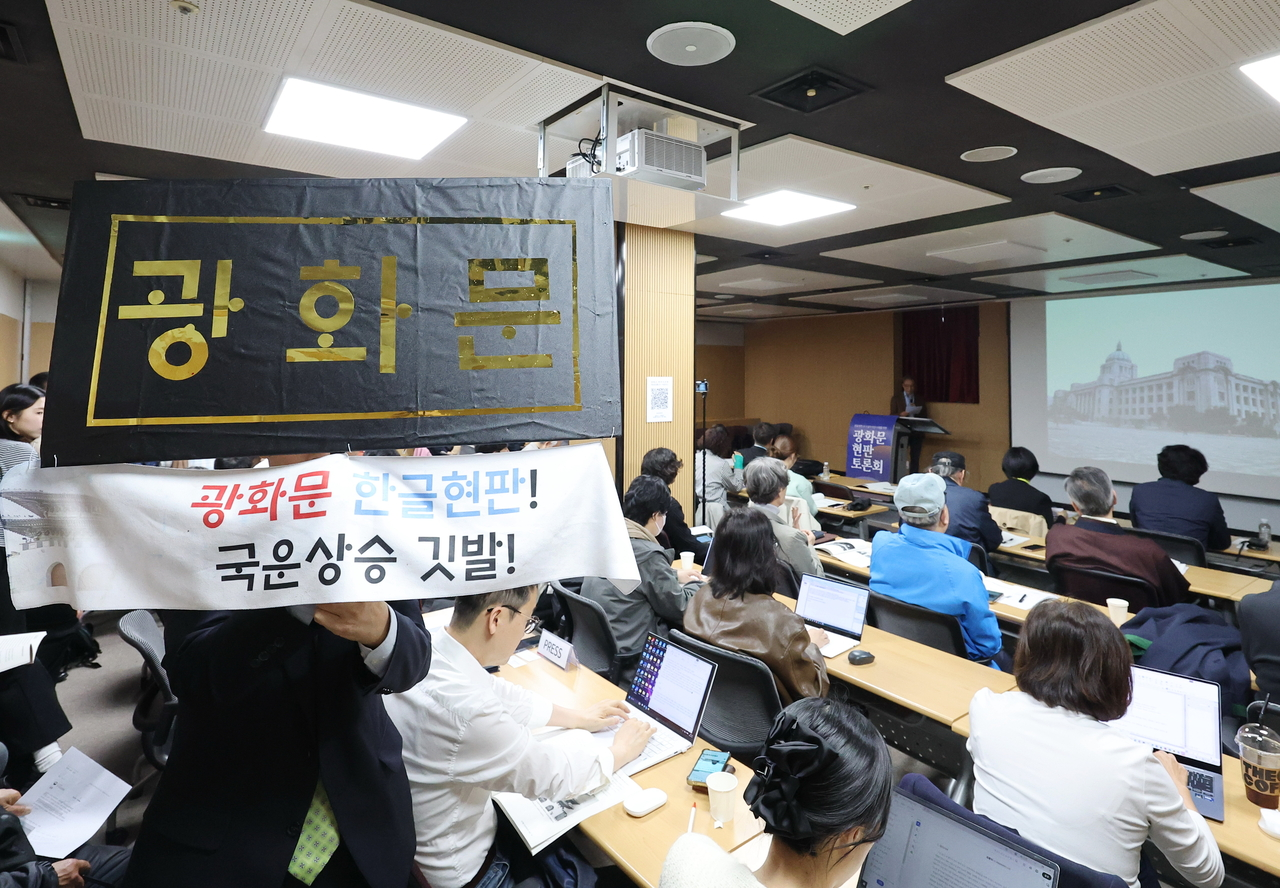
Gwanghwamun is more than just an architectural landmark. It has served as the historical main gate of Gyeongbokgung Palace, the royal palace of the Joseon Dynasty (1392–1910), and is deeply tied to Korean national pride and heritage. Many visitors — both domestic and overseas — recognize the site as a symbol of Seoul’s long history and its journey through modernization.
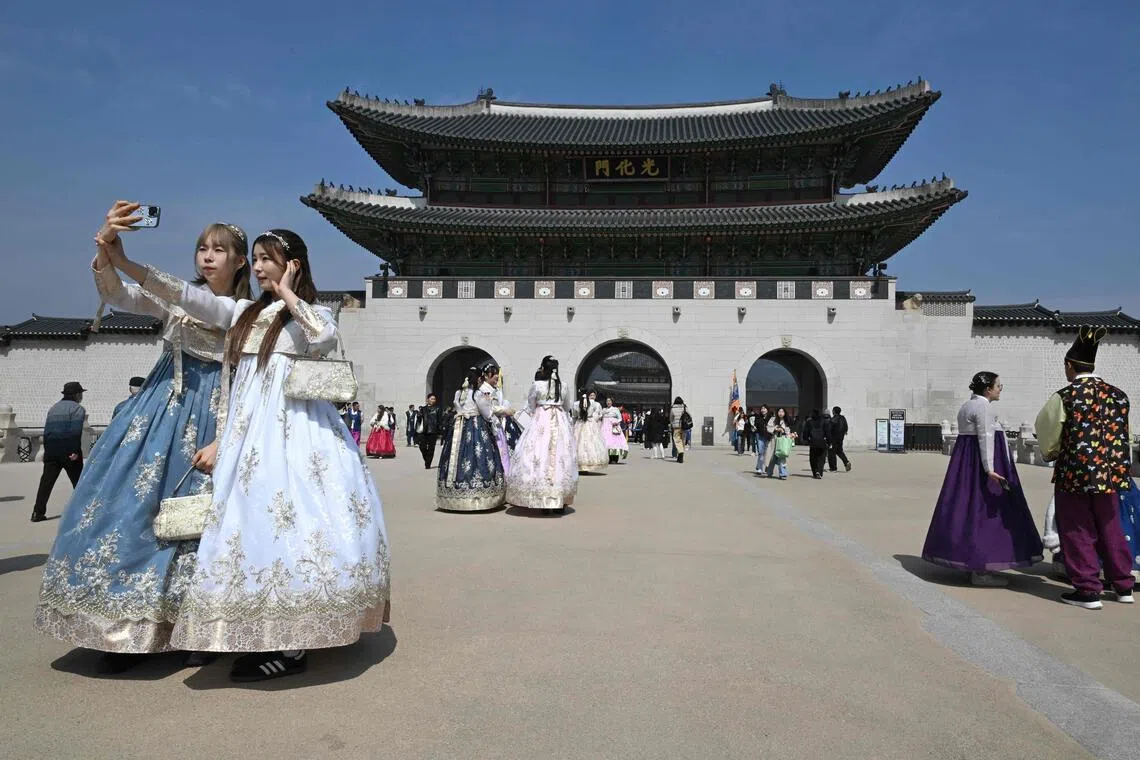
Those in favor of keeping both scripts argue that the combination of Korean and Chinese characters reflects the historical evolution of Korean culture. For centuries, Korean elites used classical Chinese for official documents and inscriptions before the creation of Hangul in the 15th century by King Sejong the Great. Supporters of bilingual signage say it honors that layered history and provides an educational reminder of Korea’s linguistic heritage for visitors.
However, others argue that emphasizing the Hangul only would better represent Korea’s modern identity. They note that Hangul was specifically created to be easy to read and uniquely Korean, differentiating the country’s culture from neighboring nations that also use Chinese characters. Advocates of this position say that prioritizing Korean script could resonate more strongly with younger generations and global visitors who may find Hanja less accessible.
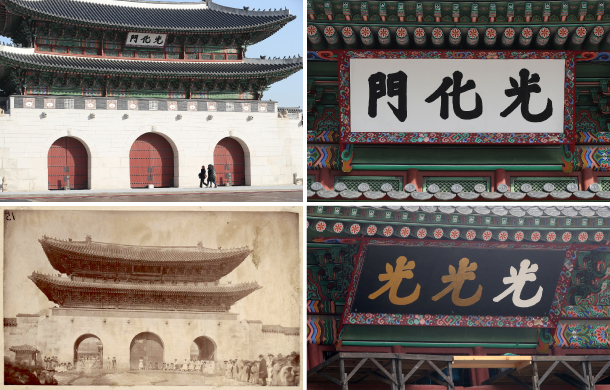
There is also a middle position being voiced by some cultural commentators: maintain both scripts, but adjust their visual hierarchy or presentation so that Hangul takes prominence while Hanja remains as a supportive element. This group argues that such an approach would honor tradition without undermining contemporary Korean linguistic identity.
The debate over Gwanghwamun’s lettering reflects broader discussions in Korean society about how to balance historical legacy with modern sensibilities. As Korea continues to define its cultural brand in a global age, decisions about symbols like Gwanghwamun can carry significance far beyond signage — touching on education, identity and how history is shared with both locals and international visitors.
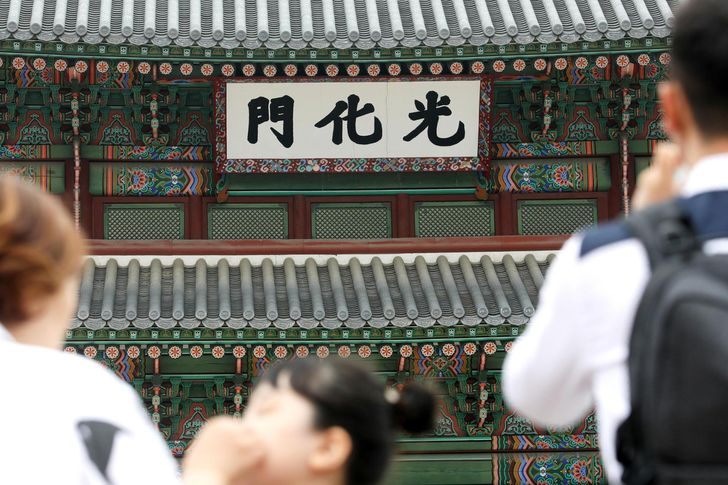
No official decision has been announced yet, and discussions are expected to continue as experts, civic groups and government officials weigh in on what many see as a symbolic and culturally meaningful choice.