
In 2026, food trends in South Korea are being shaped by something more than just flavor — texture. Diners today care as much about how food feels in the mouth as how it tastes, and this shift is influencing desserts, beverages, and even seafood culture across the country.
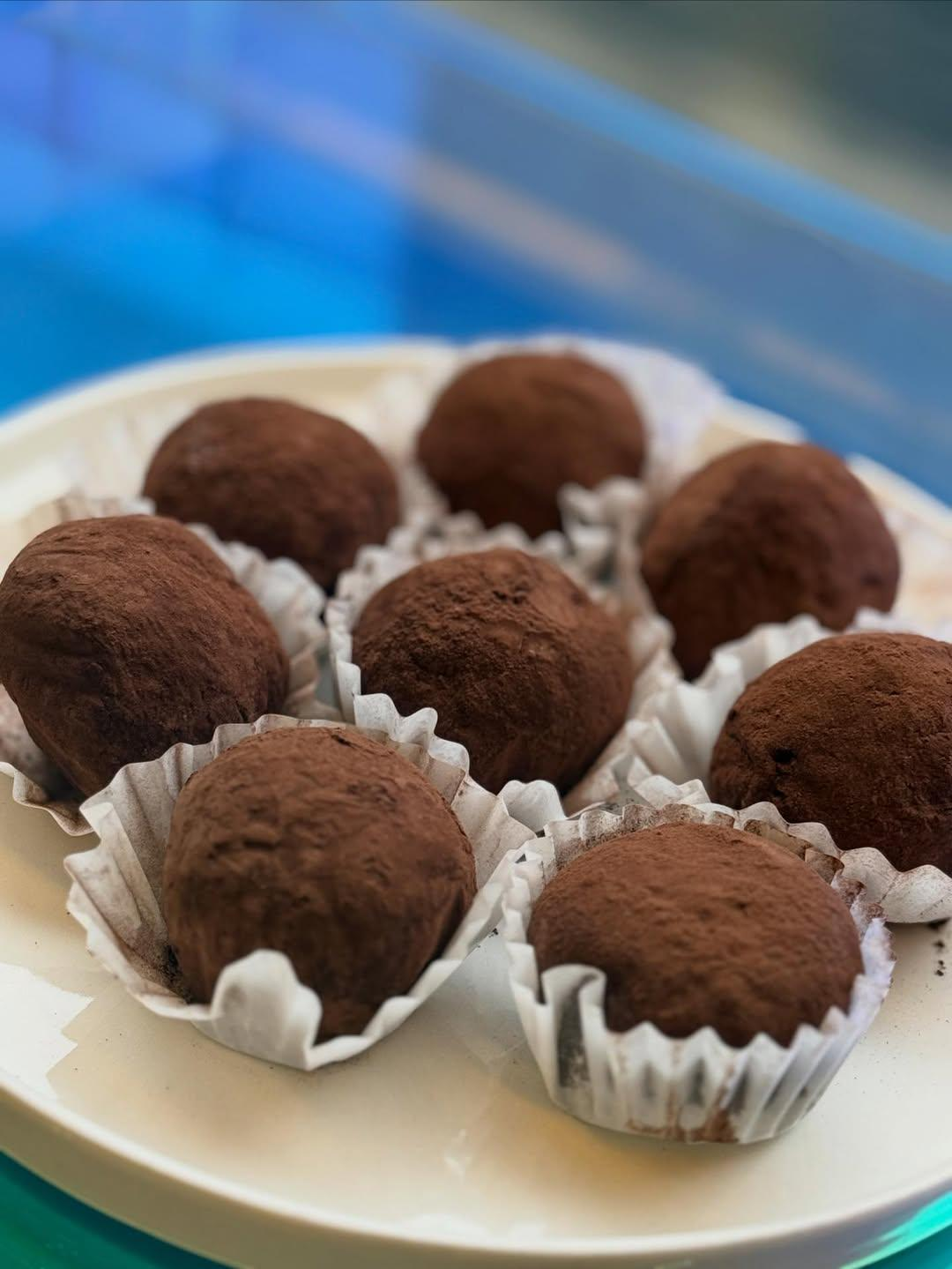
The phenomenon is visible in Seoul’s dessert scene, where a series of viral foods have become popular largely because of their unique textural experiences. One example is the Dubai‑style chewy cookie, which became a sensation earlier this year. Made with marshmallow‑based dough, pistachio cream, and thin, crispy kataifi pastry, the cookie offers a contrast of sticky, elastic and crunchy sensations that many customers describe as unforgettable.
Following that craze, butter rice cakes have also become a must‑try item for many trend seekers. These treats combine a light, crisp exterior with a dense and chewy interior, showcasing another textured experience that visitors enjoy sharing on social media.
Interestingly, many of these foods go viral not because of their sweetness or flavor alone, but because their texture is visually appealing and addictive. On platforms such as Instagram and TikTok, foods are often presented in slow‑motion clips showing bites stretching or surfaces being pulled apart a visual format that naturally highlights a food’s tactile qualities. In this way, texture becomes part of the content itself, allowing viewers to “experience” a sensation before ever tasting it.
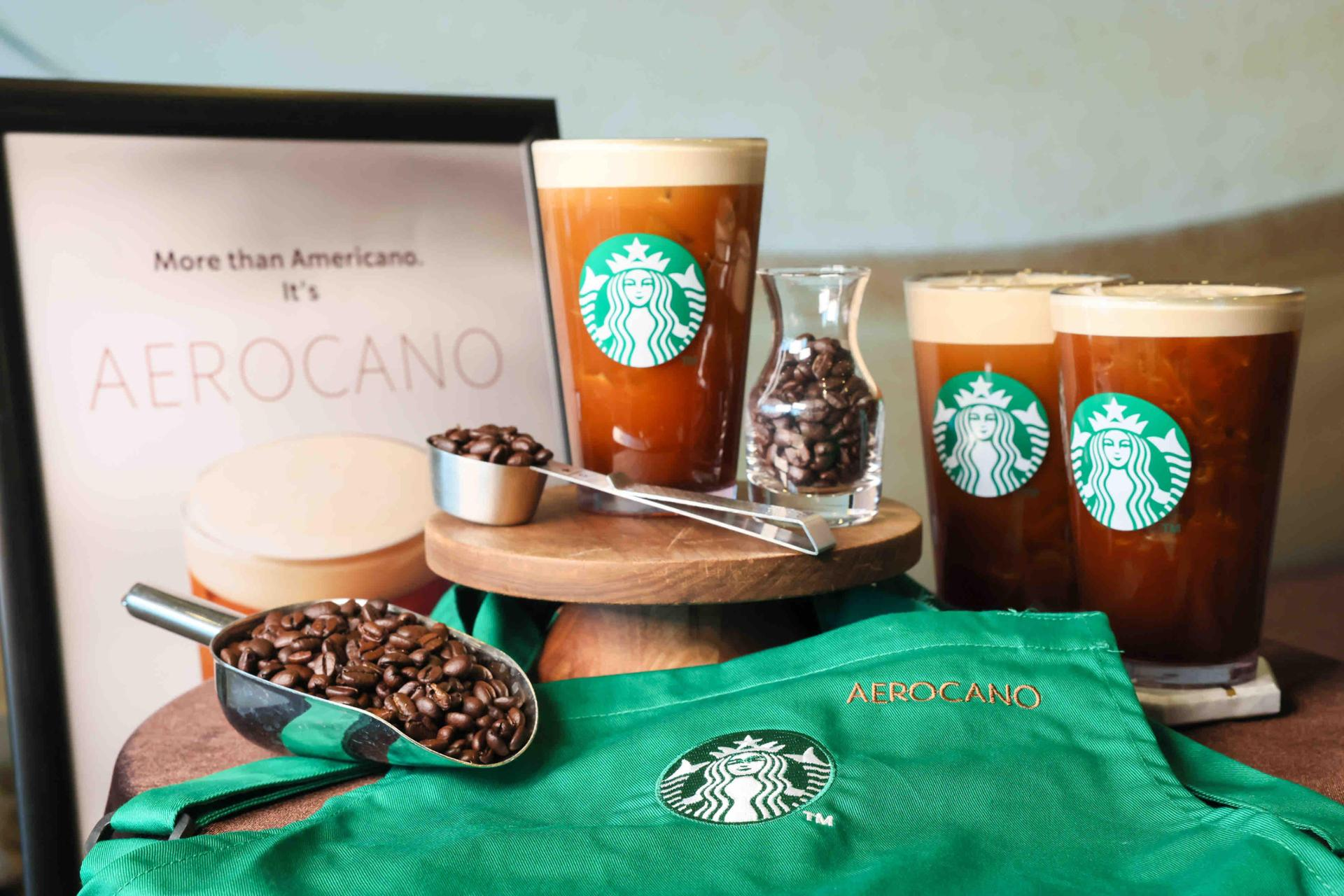
This emphasis on texture extends into Korea’s beverage market as well. In early 2026, Starbucks Korea introduced the “Aerocano”, an Americano infused with microfoam created through aeration technology. The result is a smoother, lighter mouthfeel that many customers find refreshing. Within a week of its launch, the drink surpassed one million cups sold — the fastest milestone in the company’s local history — and competitors quickly followed with similar foam‑based drinks.
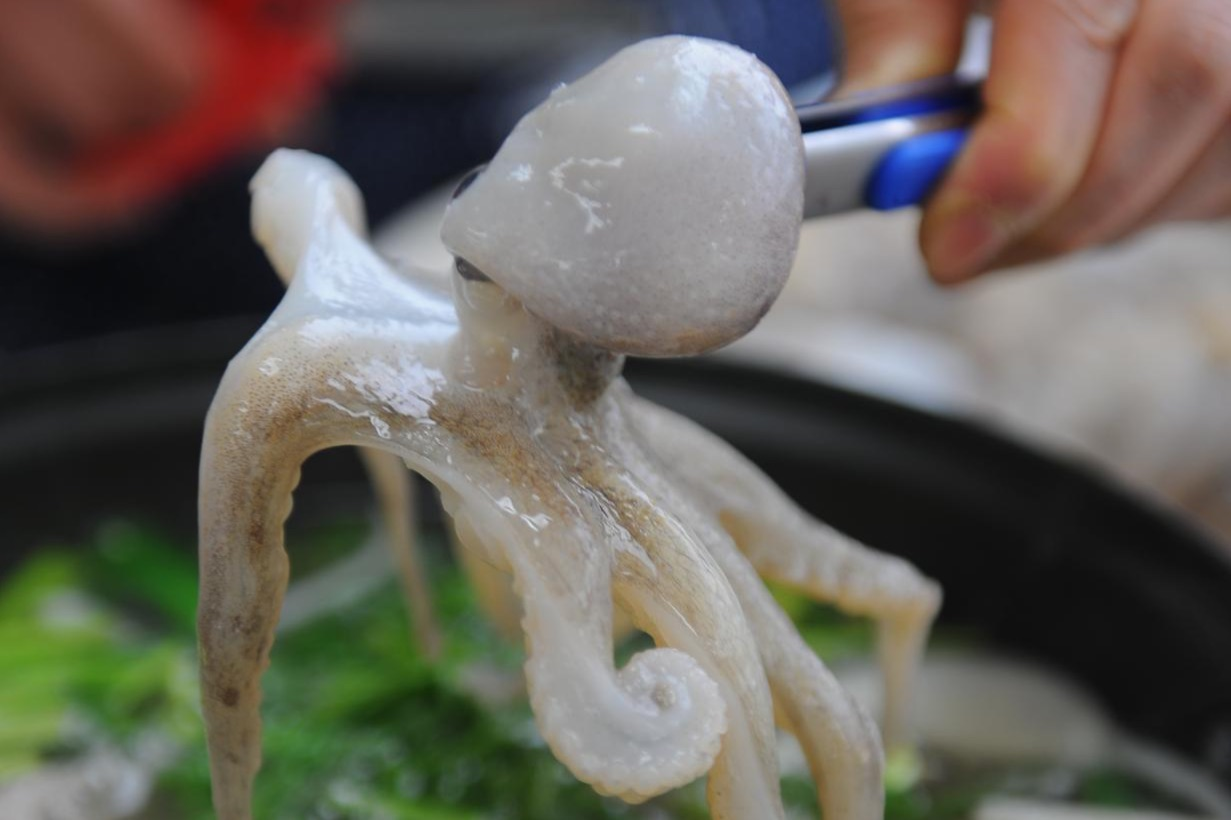
The focus on texture isn’t limited to café culture. Seasonal seafood such as jjukkumi (webfoot octopus) and ice goby sashimi are gaining renewed attention not just for their flavor but for their distinct mouthfeel — granular chewiness in the case of jjukkumi and delicate, almost jelly‑like texture in ice goby.
Experts say this shift reflects how younger consumers engage with food in an age of short‑form video. Texture can be easily conveyed visually — unlike taste — making it ideal for digital sharing and discovery. As a result, dishes and drinks with compelling textures are more likely to catch the attention of trend seekers and go viral, turning eating into a multisensory experience that begins online and continues at the table.