
As global demand for K‑pop live concerts continues to explode, fans are finding it harder than ever to secure traditional concert tickets. The intense competition has driven many supporters to explore virtual reality (VR) concerts, which are quickly becoming a new major avenue for enjoying performances by top idols.
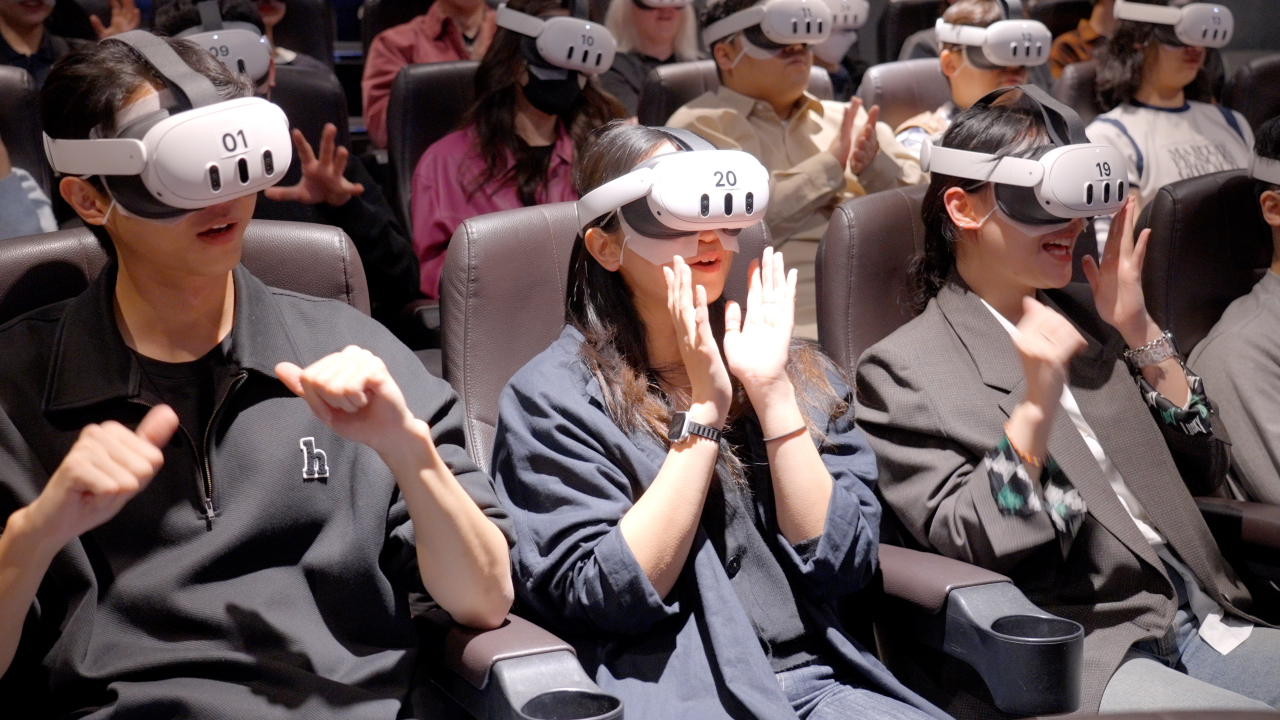
For many fans, VR concerts are no longer “just an experiment.” What began as a response to limited access is now a full‑blown cultural trend reshaping how fans interact with their favorite artists. One K‑pop fan told The Korea Times that she chose to attend a VR concert because of the difficulty and expense of getting live show tickets — and was surprised by how immersive the experience felt. She described seeing members dancing, smiling, and making eye contact through the headset, creating a connection that felt “almost therapeutic.”
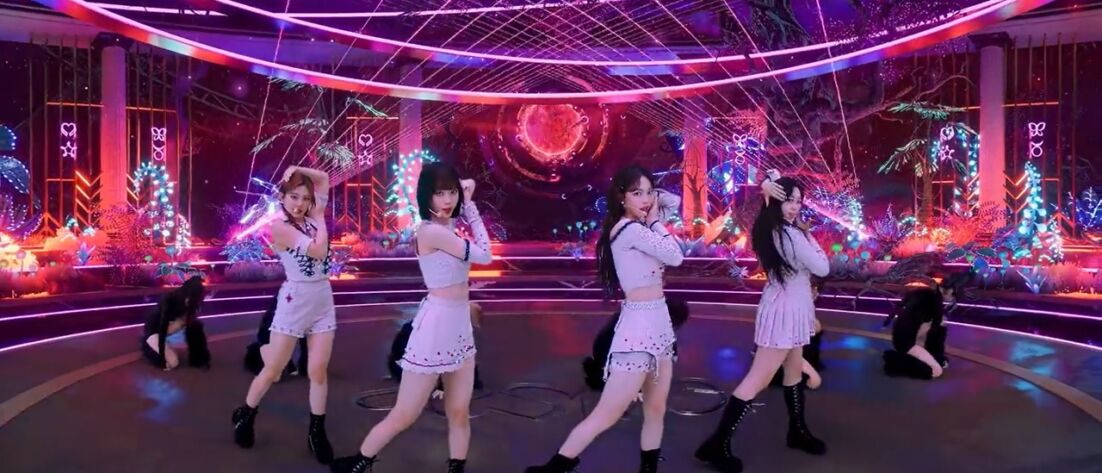
One notable example is TWS VR CONCERT: RUSH ROAD, which premiered in Seoul at Megabox Coex on March 4 due to strong demand and was extended through April. Fans around the world have reacted positively to the format, which blends immersive visuals with interactive camera perspectives, allowing viewers to feel like they’re part of the performance rather than just watching it on a screen.
The model has also expanded to include other major acts. LE SSERAFIM will launch its first VR concert, INVITATION, with screenings set to begin on April 15 at Lotte Cinema World Tower, attracting attention for its elaborate staging and immersive design. Earlier VR projects like ATEEZ’s “LIGHT THE WAY” concert also recorded high audience ratings, prompting extended runs due to fan demand.
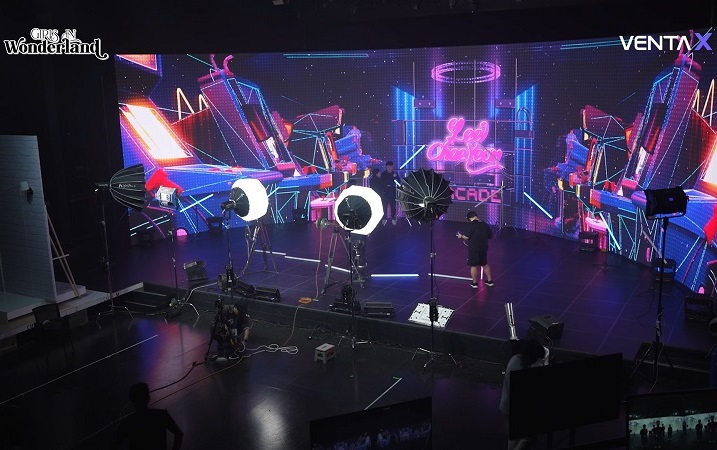
Industry data suggests VR concerts are now a meaningful segment of the entertainment ecosystem. According to the Korean Film Council, performance‑based content including VR concerts accounts for several percentage points of Korea’s annual box office revenue, highlighting how this format has evolved from a pandemic‑era workaround to a valuable part of music and film exhibition.
Beyond Korea, VR concerts are beginning to expand internationally. Early projects have toured cities in the United States and other regions, and companies producing VR content are collaborating with global artists to bring more immersive shows to international audiences.
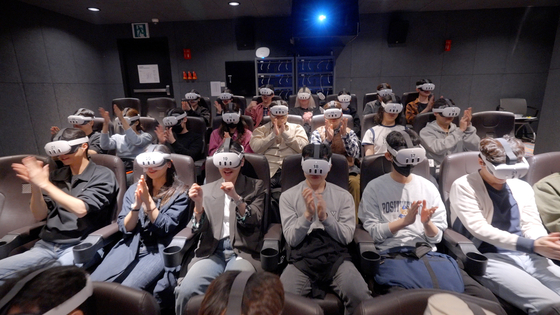
While VR concerts aren’t replacing live concerts, they are offering fans a new way to experience performances up close — even from halfway around the world. In an era when ticket sales can feel like a battle, VR concerts are becoming a top alternative that combines accessibility, immersion, and a shared sense of connection for fans everywhere.