
As cherry blossoms spread their delicate petals across South Korea each spring, the spectacle brings beauty and cultural joy but emerging scientific research suggests there may be deeper psychological benefits associated with viewing these floral landscapes. While specific studies on cherry blossoms themselves are limited, a growing body of evidence shows that exposure to natural environments particularly scenes filled with plants, flowers, and greenery is linked to reductions in stress and anxiety indicators in humans.
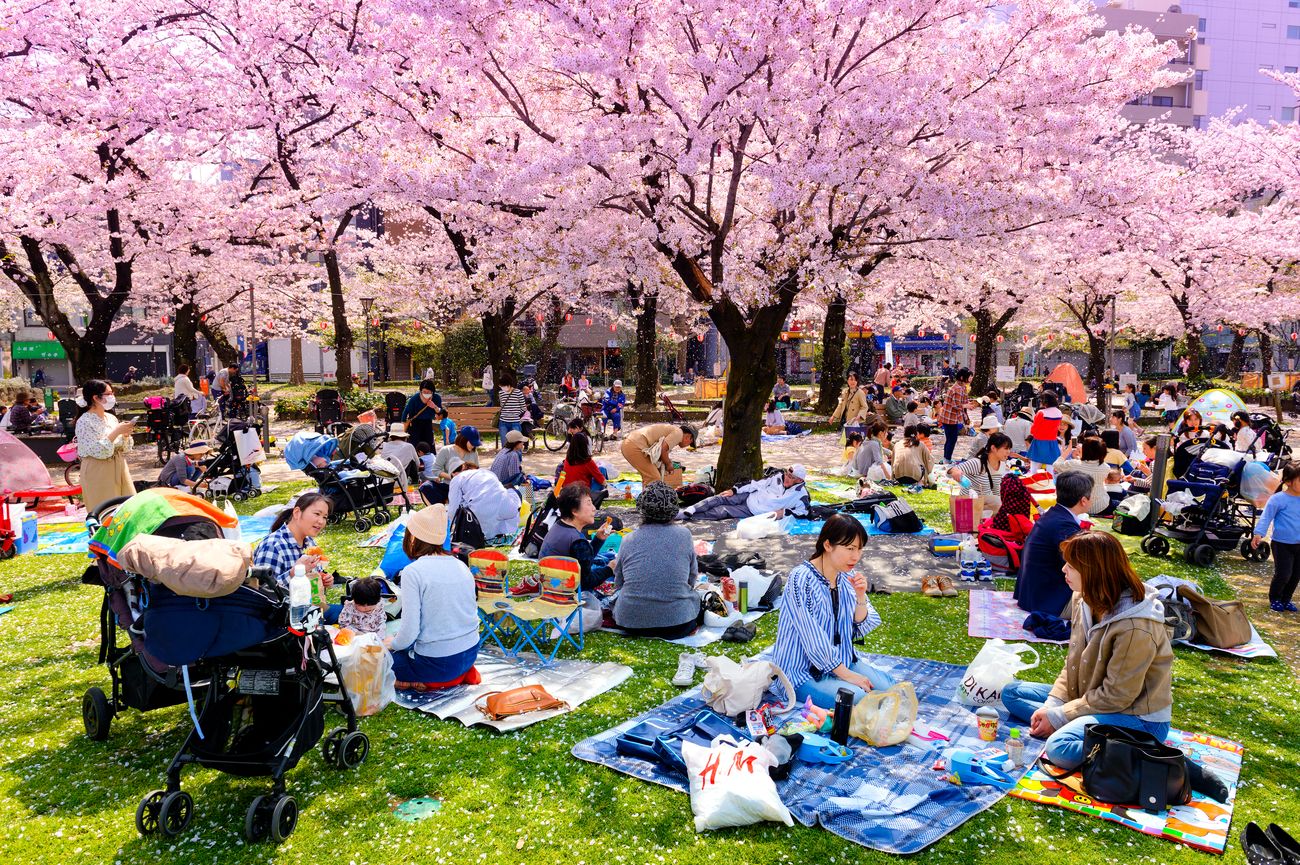
Scientific research has long shown that spending time in nature or even viewing natural scenes can positively affect both physiological and psychological states. Meta‑analyses of multiple studies involving exposure to natural environments demonstrate associations with reductions in stress hormones such as cortisol, lower self‑reported anxiety levels, reduced blood pressure, and improvements in restorative feelings compared with built, urban environments. For example, a comprehensive review of 31 research trials found that natural environment exposure was correlated with measurable decreases in salivary cortisol, blood pressure, and self‑reported stress, suggesting that time in green spaces can engage relaxation pathways in the body.
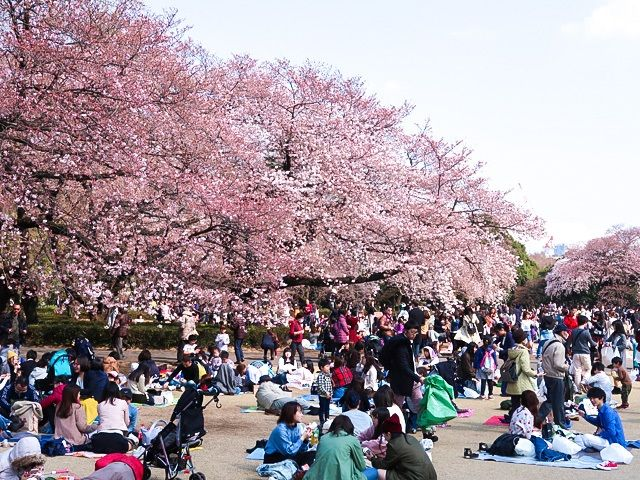
In parallel research on how nature affects neural activity, controlled experiments have shown that viewing natural scenes or watching nature videos increases alpha wave activity in the brain — a frequency range associated with calmness and reduced arousal — compared with urban or non‑natural imagery. These changes in brain rhythms align with subjective experiences of relaxation and lower anxiety, indicating that even visual exposure to natural scenes can modulate nervous system responses.
Besides physiological markers, smaller lab‑based studies find that simply viewing flowers increases feelings of comfort and relaxation. One experiment involving office workers exposed to fresh flowers showed greater positive feelings and physiological signs of relaxation than in control conditions without flowers. Another research project using flower images confirmed that visual flower exposure can help down‑regulate negative emotions after stress, supporting the concept of “flower healing effects.”
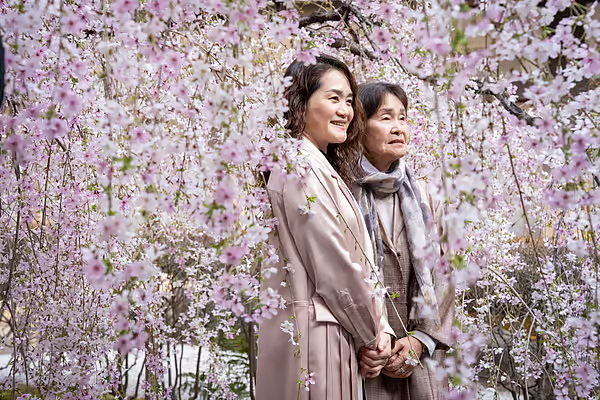
Although cherry blossoms have not been studied as frequently as some other nature interventions, the scientific consensus on nature exposure provides a plausible basis for the claim: scenes with abundant blossoms likely engage similar sensory and cognitive processes, triggering relaxation responses, reducing physiological stress markers, and contributing to improved mood.