
Korean culture has officially moved beyond being just a global trend. According to results from the 2026 Overseas Hallyu Survey, released by the Ministry of Culture, Sports and Tourism and the Korea Foundation for International Cultural Exchange, Korean entertainment, food, fashion, and technology are now part of everyday life for millions of people worldwide.
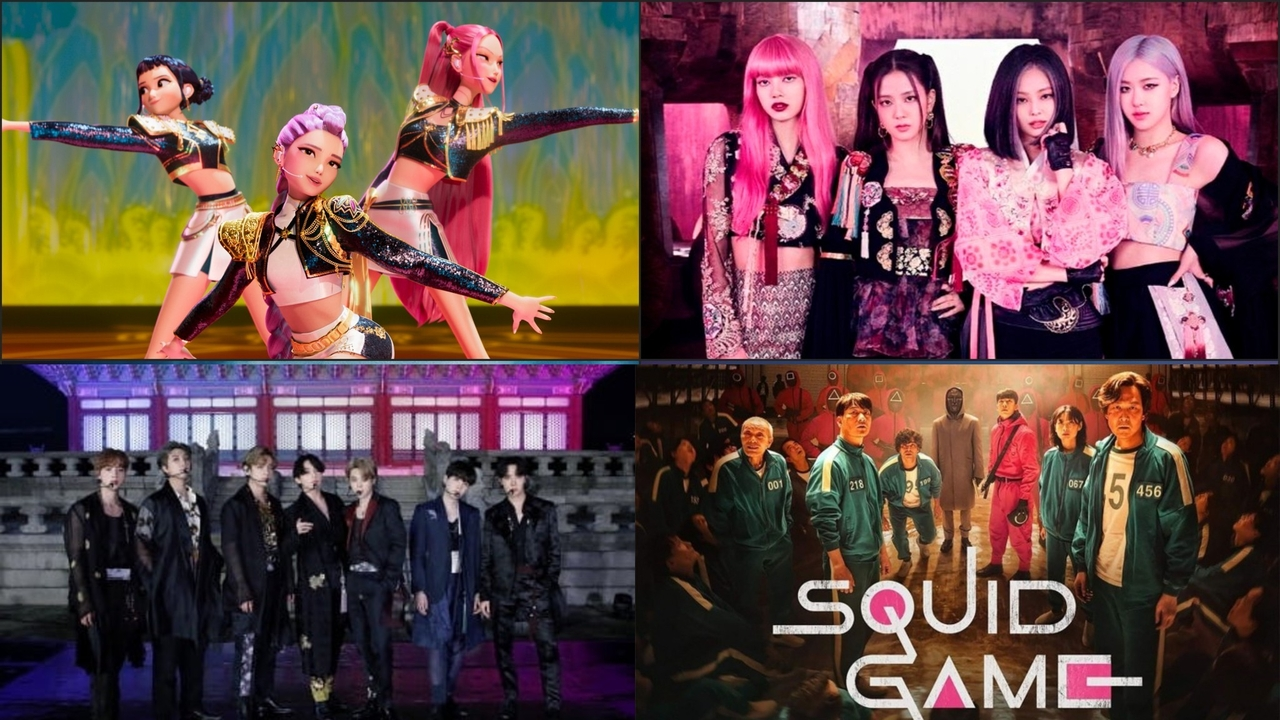
The survey collected responses from 27,400 participants across 30 countries, making it one of the largest international studies tracking the global reach of Korean culture. Results showed that people now spend an average of 14.7 hours per month consuming Korean content, along with about $16.60 monthly, both higher than the previous year’s figures. This steady increase reflects how deeply Korean content has become integrated into global viewing habits.
Interestingly, while BTS and Blackpink continue to represent Korea’s music influence worldwide, the survey found that Korean food ranked slightly ahead of film, drama, and music in overall experience rates. This shows that Korean culture is expanding beyond entertainment into lifestyle choices such as cuisine and daily consumption patterns.

Streaming platforms and social media are also playing a major role in spreading Korean content. Many viewers first discover short clips on social platforms before moving to longer shows on streaming services like Squid Game or films such as Parasite, both of which remain among the most globally recognized Korean titles.
Another key finding from the survey is how Korea’s international image is changing. Concerns related to geopolitical tensions, which previously shaped global perceptions of the country, are now being replaced by associations with culture, innovation, IT products, and automobiles. This shift highlights how Korea’s global reputation is increasingly built on creativity and technology rather than security issues.
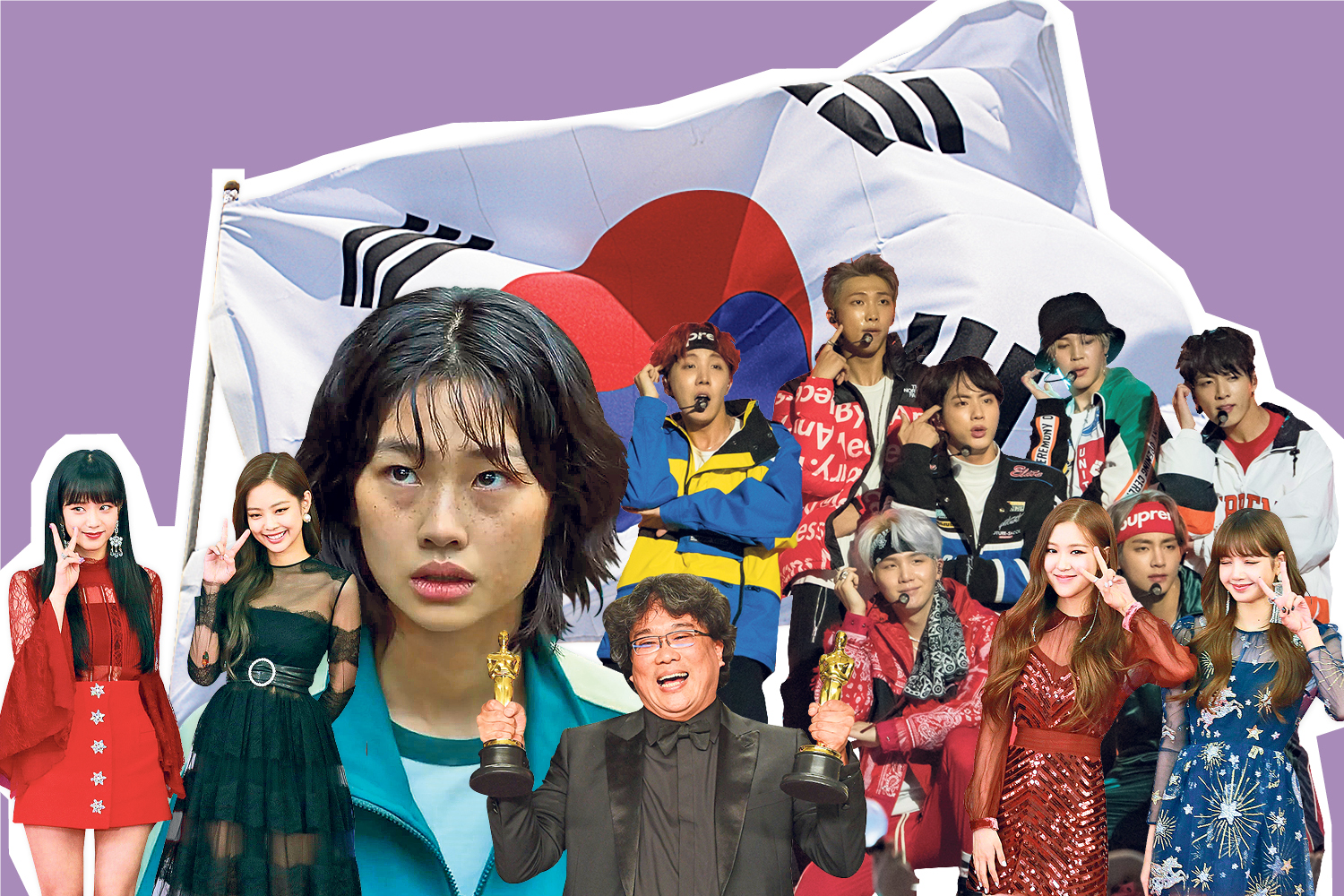
Western countries are also showing faster growth in Korean content consumption than before. Researchers described this as a turning point, marking the moment when Korean entertainment crossed from being a niche interest into mainstream global culture.
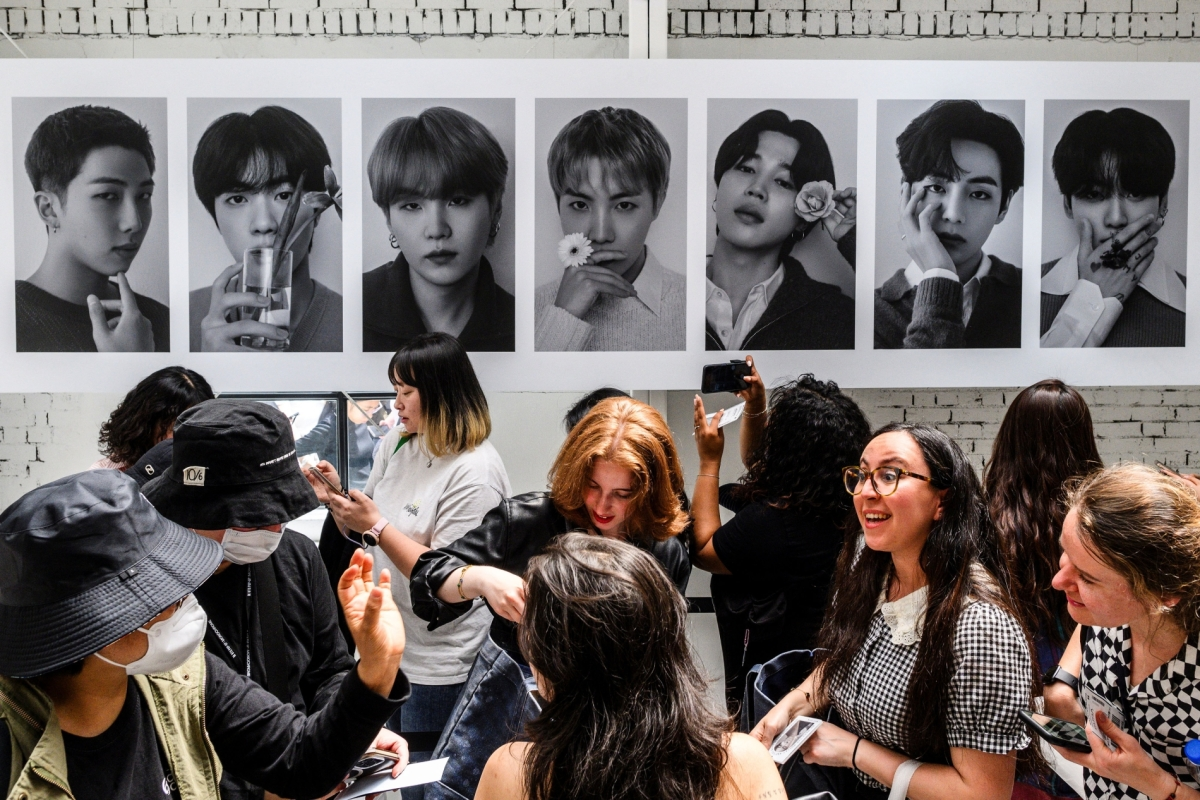
Overall, the survey confirms that Hallyu is no longer just a passing wave. From music and dramas to food and technology, Korean culture has become a lasting part of everyday life across continents — shaping how people watch, eat, shop, and connect with the world.