
South Korea’s global cultural rise known as the Korean Wave or Hallyu has reshaped not just how the world sees Korean culture but also how Koreans define their own identity.
According to a recent study by Korea University, the meaning of being Korean has shifted significantly over the past decade. Stronger global interest in Korean music, television, film, food, fashion and language has given many Koreans a different sense of pride in their national culture compared with how they felt in the early 2010s.

The research, led by sociology professor Park Hyun‑joon, surveyed people aged 18 to 65 across Seoul and other major cities. It found that respondents increasingly associate their national identity with global cultural influence, international recognition and cultural export success factors that were less linked to personal identity ten years ago.
For example, many young Koreans now say they feel proud when global audiences appreciate K‑dramas, K‑pop and Korean food. This contrasts with earlier attitudes when Korean pop culture was primarily consumed domestically and awareness abroad was limited.
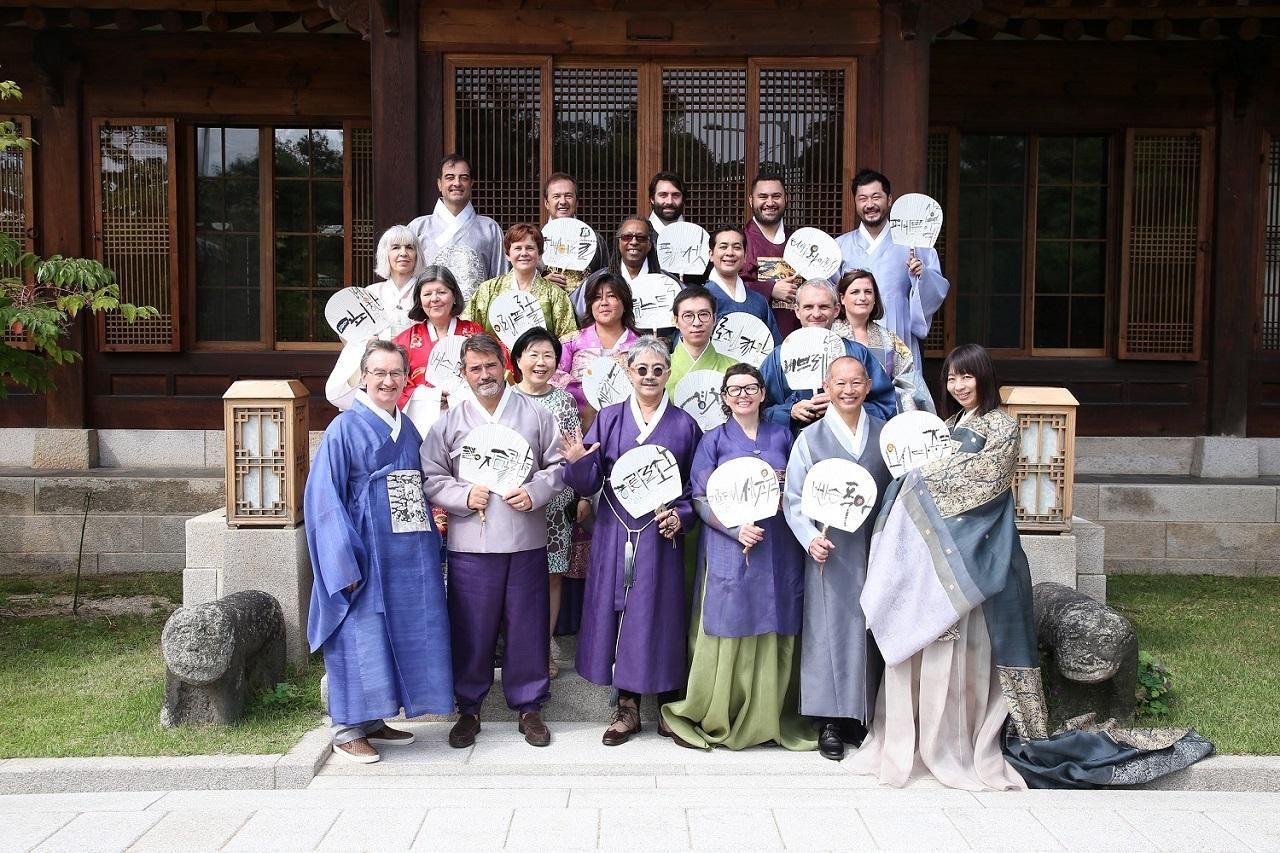
More than just pride, the study shows a shift in how Koreans think about cultural representation internationally. Several respondents noted that when global audiences adopt Korean styles, trends or language, it provides a sense of shared identity that connects domestic experiences with international communities.
At the same time, the research indicates that not all Koreans feel the same way about this change. Some older respondents still define national identity through traditional values like history, language and regional heritage rather than global cultural success.
Experts say these evolving views reflect broader changes in how nations see themselves in the 21st century. As cultural exports become a major part of Korea’s global image, citizens increasingly link national pride with how the country engages with global audiences.
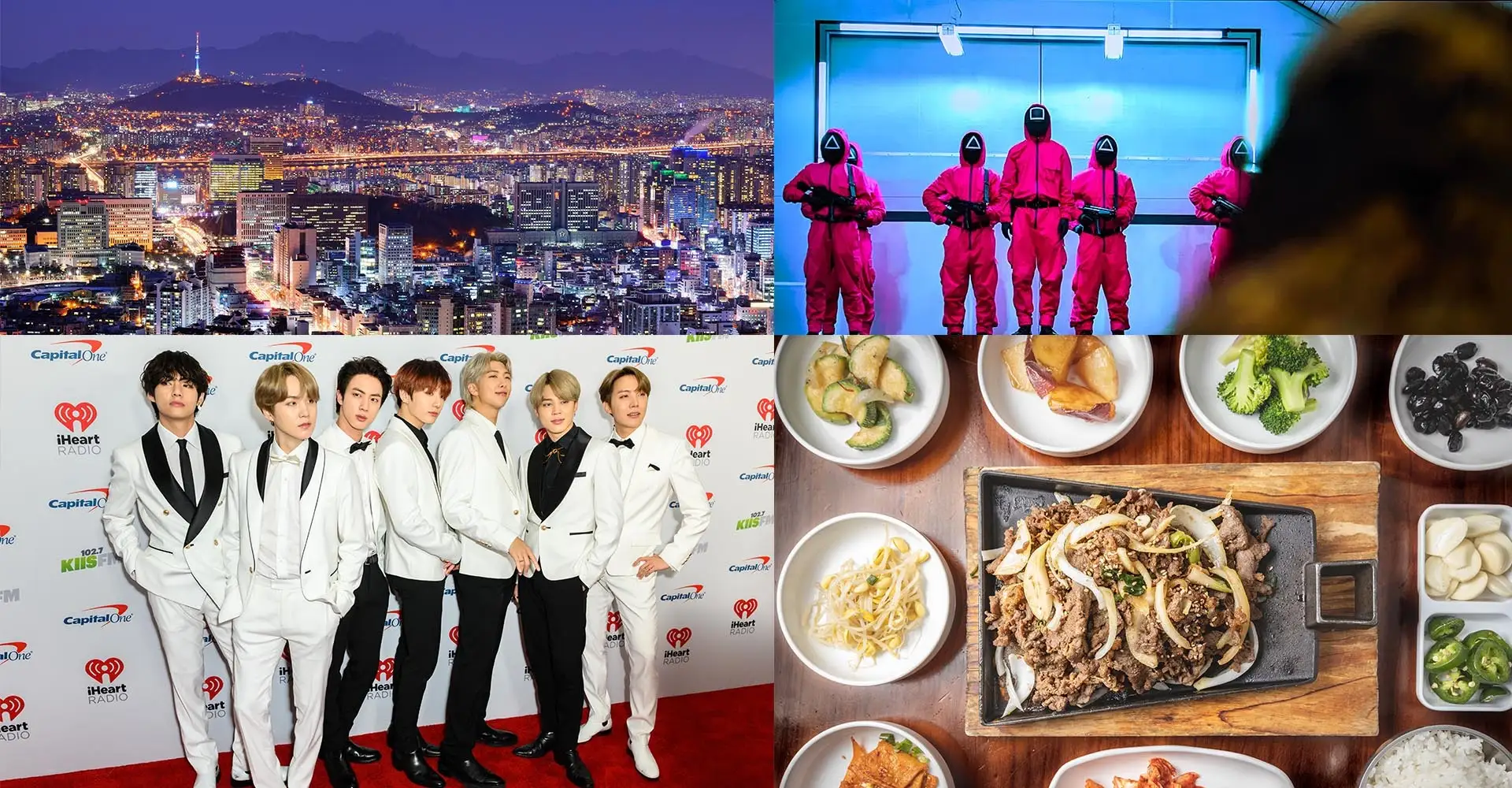
The study also found a growing interest in overseas travel among younger Koreans, who often see international experiences as part of their cultural identity. This contrasts with older generations, who may have viewed travel primarily as leisure or exploration rather than an extension of cultural exchange.
While definitions of national identity vary, the overall trend shows that the Korean Wave has left a lasting imprint on how Koreans see themselves not just as citizens of a single country but as participants in a global cultural conversation shaped by music, media, fashion and food.