
BTS comeback concert highlights deeper meaning of Seoul’s Gwanghwamun Square
Global K-pop group BTS designed their long-awaited comeback concert not only as a musical event but also as a cultural statement centered on the symbolism of Gwanghwamun Square, one of Seoul’s most historically meaningful public spaces.
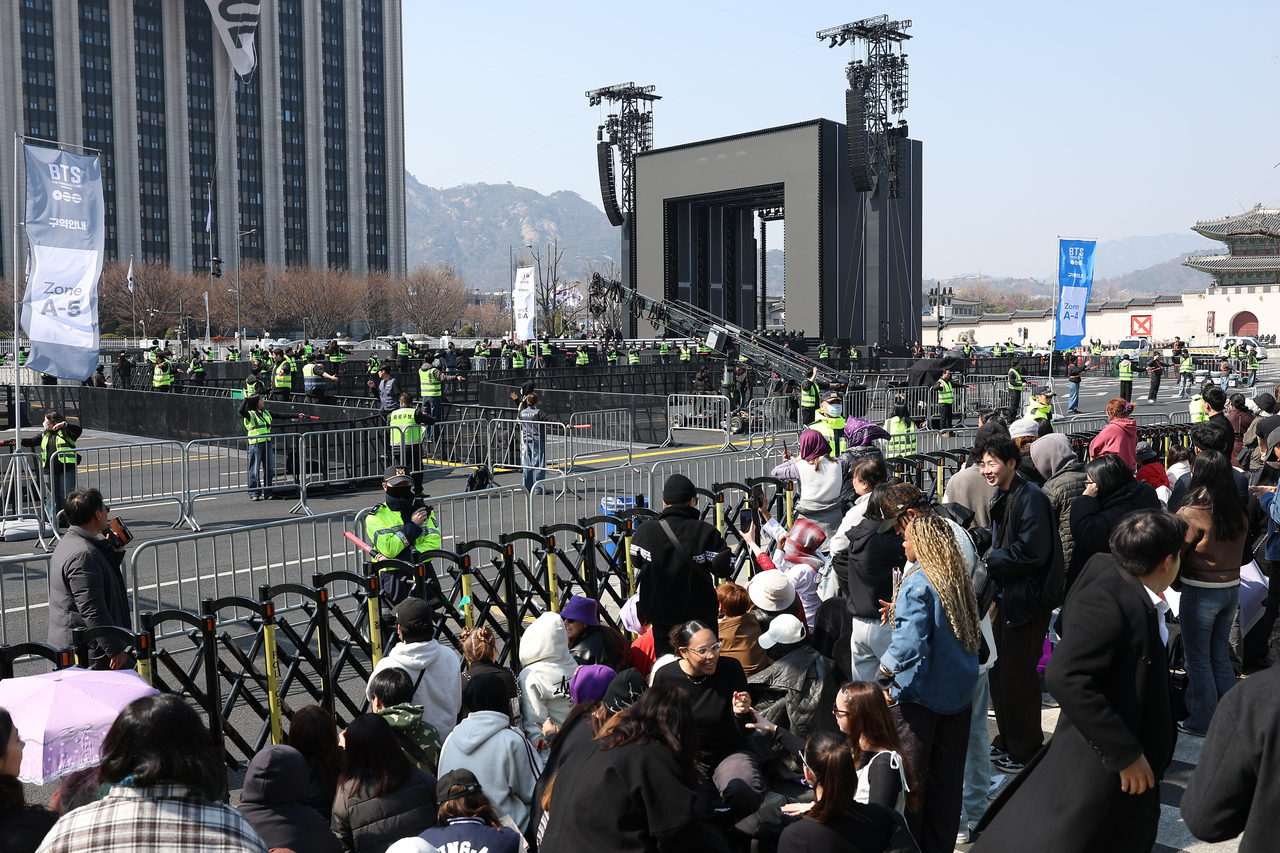
According to organizers, the performance titled BTS The Comeback Live | Arirang was planned to reflect the significance of the location itself. The square sits at the heart of the capital and has long served as a site connected to Korean history, civic life and national identity. By choosing this setting, the group aimed to connect their return with themes of reunion and cultural continuity.
The concert followed the release of BTS’ studio album Arirang, their first major full-group project after several years of limited activities while members completed South Korea’s mandatory military service. Because of this timing, the event carried emotional meaning not only for fans but also for the artists themselves.
Organizers explained that the symbolism of the venue played a central role in shaping the structure of the performance. Located near Gyeongbokgung Palace, the square represents both Korea’s royal heritage and modern civic identity. Integrating this historic location into the comeback stage allowed the concert to reflect a connection between tradition and contemporary global pop culture.
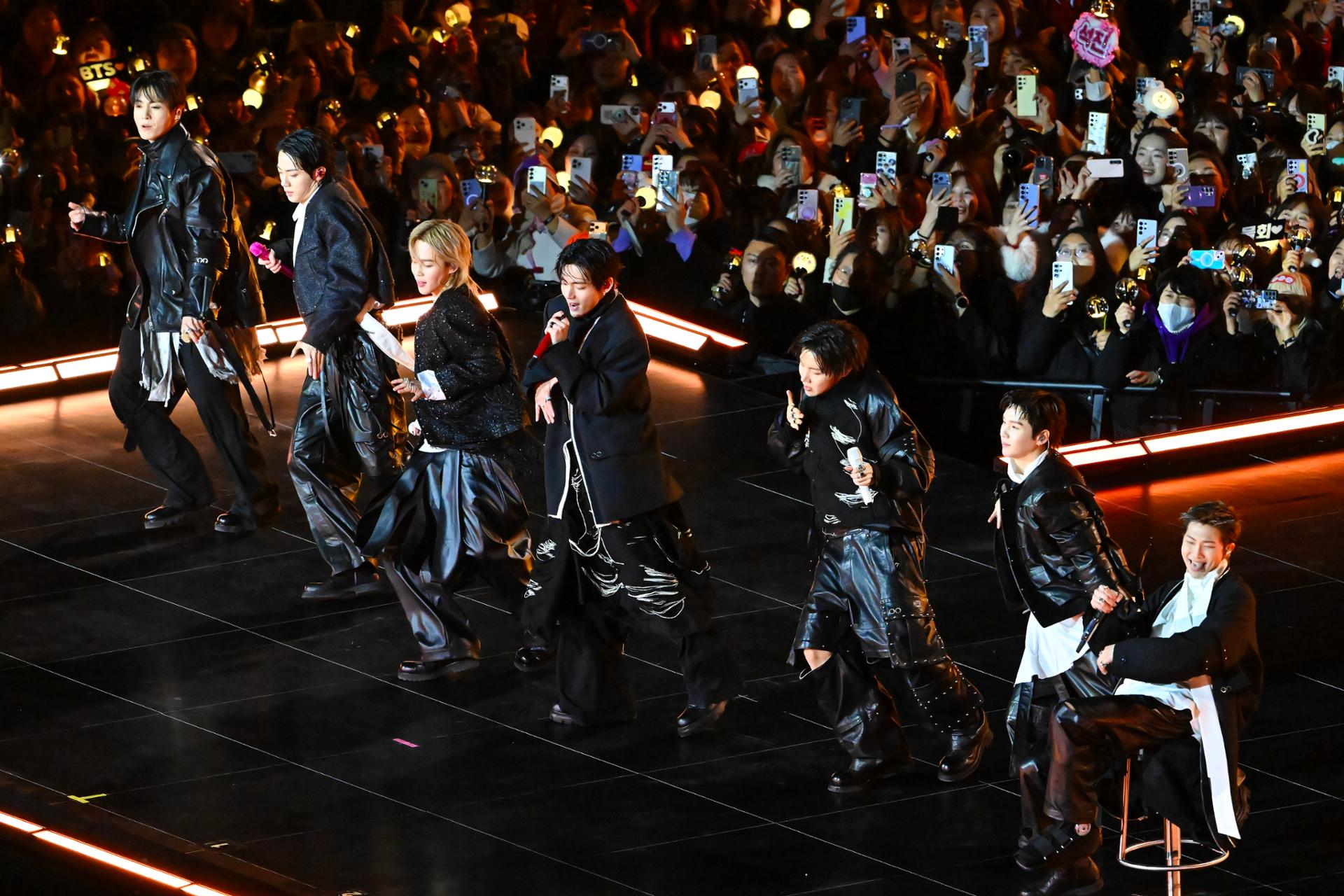
The show also formed part of a wider city-level celebration linked to the album release, with Seoul landmarks participating in themed displays and public activities welcoming fans from around the world. These efforts transformed the comeback into a broader cultural moment rather than a single performance event.
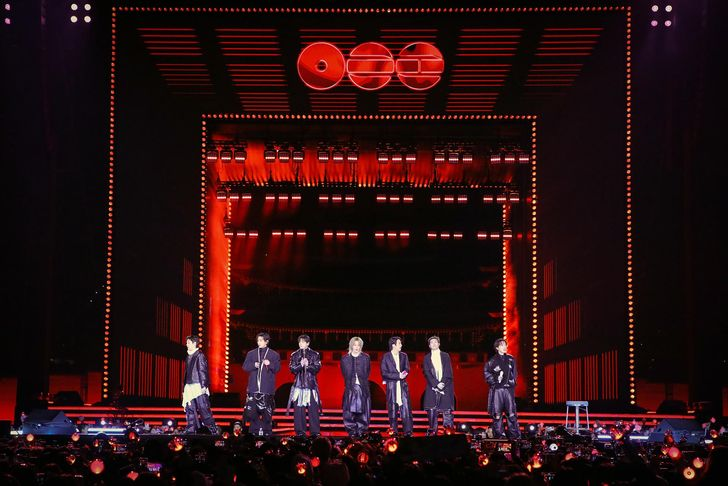
International fans traveled to Seoul to attend the concert in person, while others joined through global streaming broadcasts. Their participation highlighted the scale of BTS’ worldwide audience and the continuing influence of Korean popular culture beyond national borders.
By placing strong emphasis on location and symbolism, the concert demonstrated how large-scale K-pop performances increasingly combine music, national identity and public space. Instead of functioning only as entertainment, the event presented the comeback as a shared cultural experience linking Seoul’s historical landscape with a global fan community.