
Central Seoul saw growing excitement as fans steadily filled the area around Gwanghwamun Square, waiting for the long-anticipated return of global K-pop group BTS.
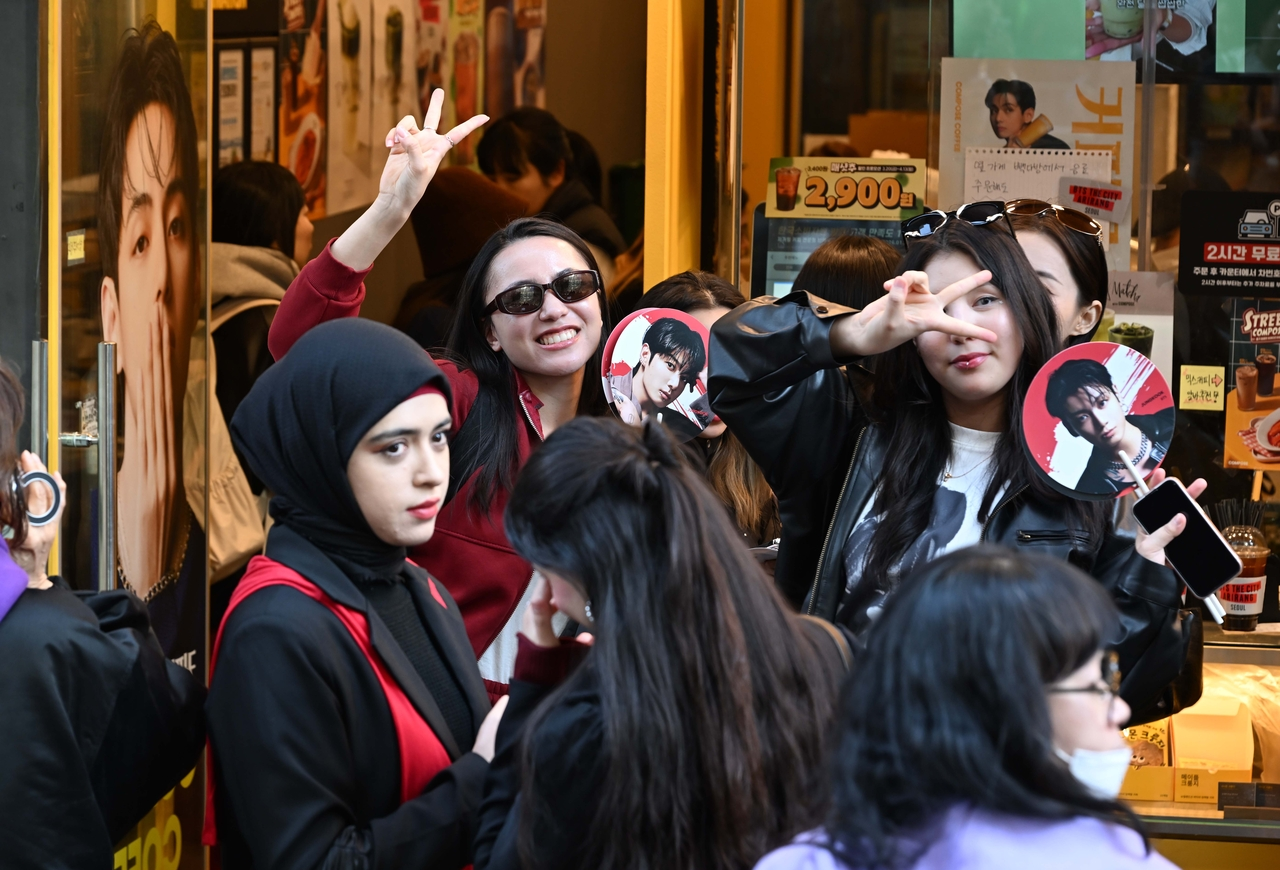
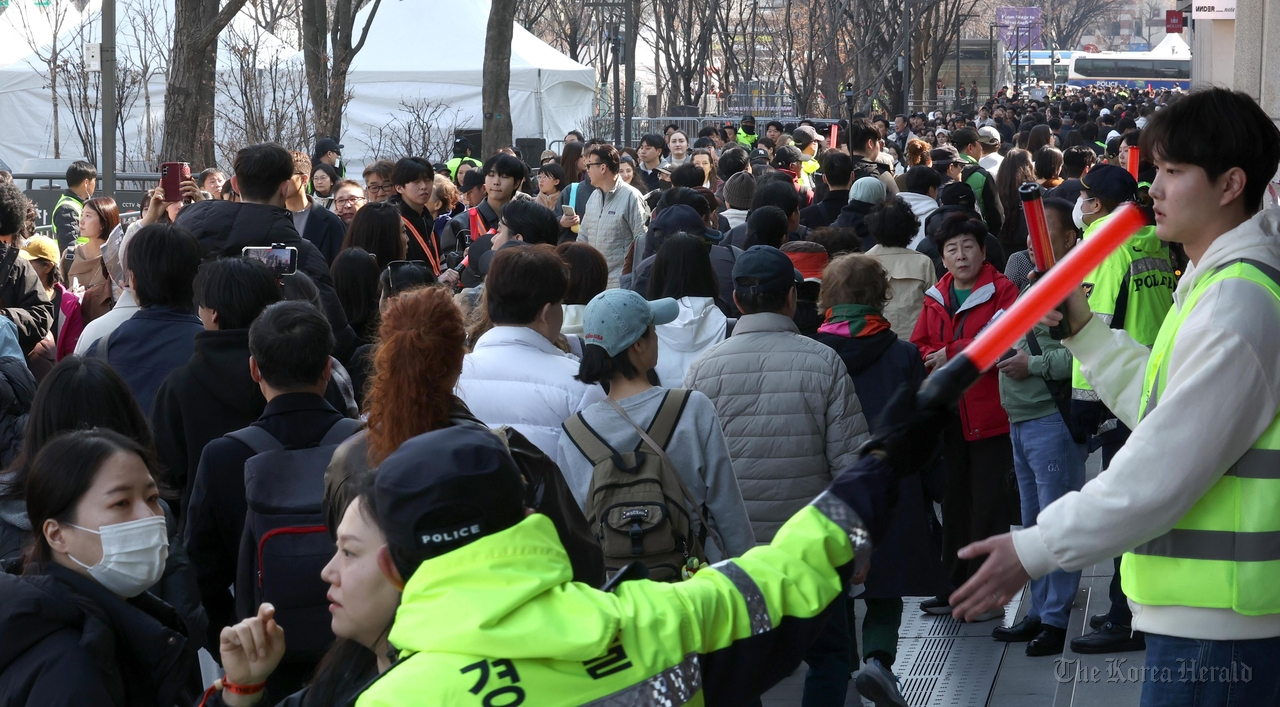
Supporters began arriving early, hours before the scheduled performance connected to the group’s comeback activities. Many gathered overnight or early in the morning to secure spots near the venue, creating a lively atmosphere across nearby streets and public spaces. Authorities prepared traffic control and safety measures as crowds continued to increase throughout the day.
The concert marked the group’s first major full-group appearance in several years after members completed South Korea’s mandatory military service. Because of this long gap, the event carried strong emotional meaning for fans who had waited to see the group together again on stage.
Police estimated that around 40,000 to 42,000 people gathered in the downtown area for the performance, highlighting the scale of public interest surrounding the comeback. The event formed part of promotions for the group’s new album Arirang, released shortly before the concert.
The choice of Gwanghwamun Square also added symbolic importance. Located in front of Gyeongbokgung Palace, the historic site represents both Korea’s royal heritage and modern civic life, making it a meaningful setting for a comeback that emphasized identity and renewal.
Fans from overseas joined local supporters, turning the gathering into an international celebration rather than a typical concert crowd. Many visitors described the moment as a reunion after years of waiting during the group’s hiatus.
As anticipation built throughout the day, the streets around the square reflected the scale of BTS’ global influence. From light sticks and banners to group sing-alongs among fans, the atmosphere showed how strongly the group’s return resonated across generations and nationalities.
More than just a live performance, the gathering in central Seoul highlighted how a single comeback event can transform a public landmark into a shared cultural space where music, history and community come together.