
Downtown Seoul turned into a lively celebration zone as thousands of fans gathered to welcome the long-awaited return of global K-pop group BTS.
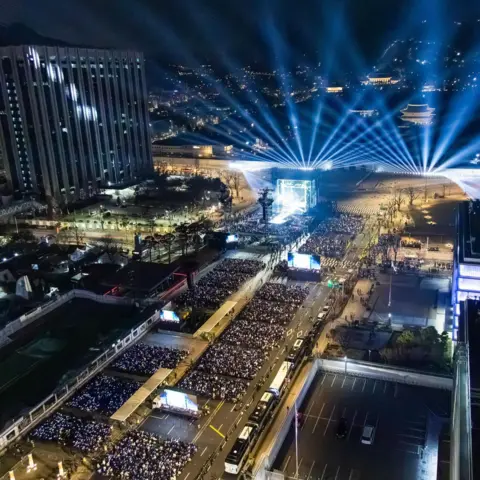
Supporters from across South Korea and overseas arrived early around Gwanghwamun Square, creating a festival-like atmosphere ahead of the group’s comeback concert connected to their new album Arirang. The public square quickly filled with fans singing together, taking photos, and sharing their excitement as they waited for the historic moment.
Many fans were seen singing “Arirang,” the traditional Korean folk song that inspired the album’s title. The choice of the name reflects themes of longing, reunion and national identity, making it especially meaningful for both the group and their supporters after several years of limited full-group activities.
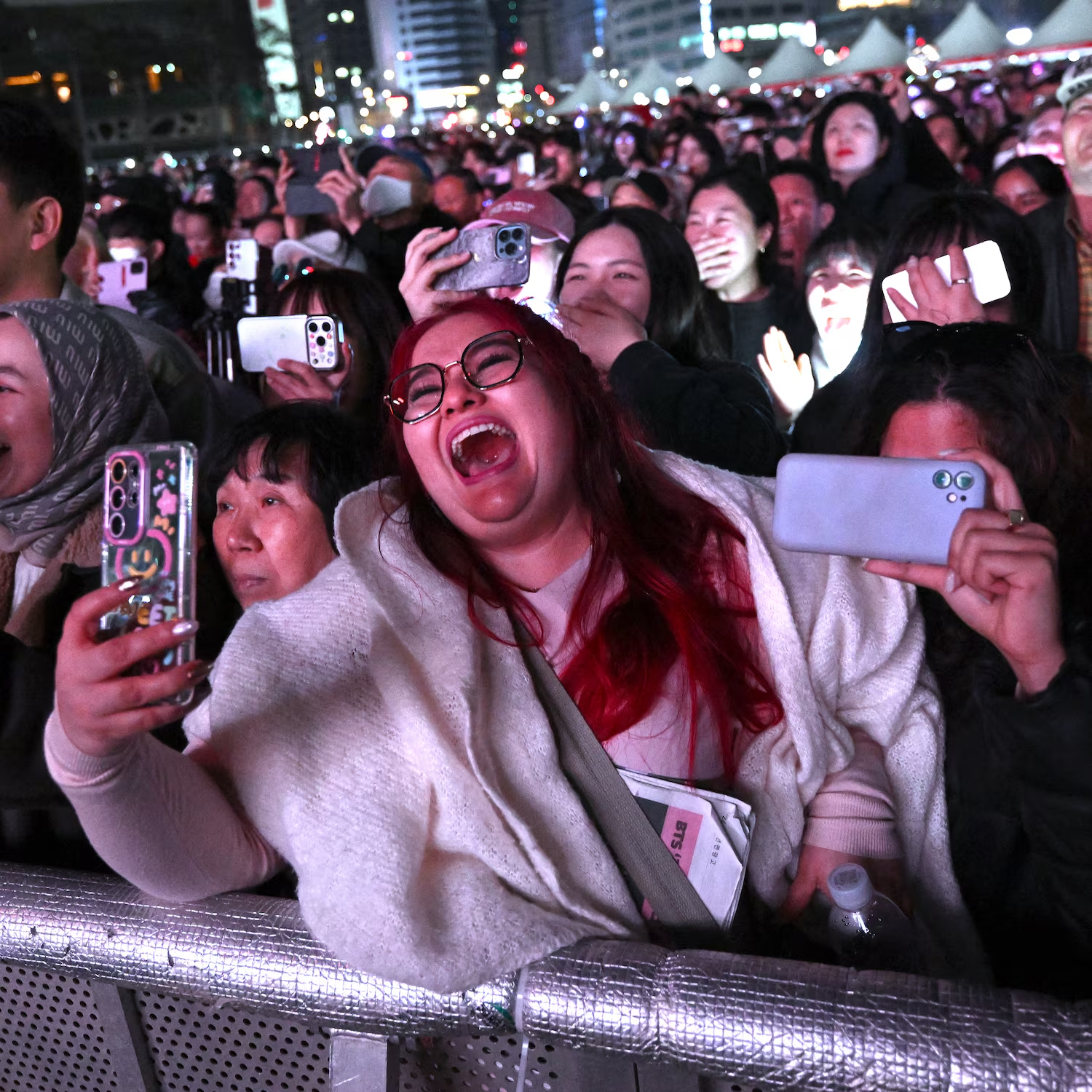
The comeback marks BTS’ first major group return following the members’ completion of mandatory military service, making the event particularly emotional for fans who had waited years to see all seven members together again. The concert also launched a new chapter in the group’s career, often described as the beginning of a fresh era after their hiatus.
Seoul itself played a central role in the celebrations. City landmarks and cultural sites were incorporated into a wider comeback program titled “BTS The City Arirang Seoul,” which combined music, art installations and fan-focused events across the capital. Organizers expected large crowds to gather not only at the main venue but also throughout nearby districts participating in the citywide project.
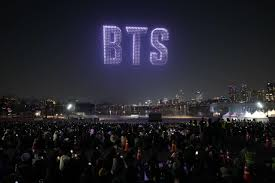
For many international visitors, the gathering felt like more than just a concert day. Fans traveled from different countries to witness the comeback in person, turning the event into a shared global celebration. Their presence highlighted BTS’ lasting worldwide influence and the strong community built around their music.
As fans continued singing and waving purple light sticks across the square, the atmosphere reflected more than excitement for new songs. It captured a sense of reunion — between artists and supporters, tradition and modern music, and Seoul and the global audience watching closely.