
What started at a concert in Malaysia has grown into one of the most heated online disputes K-pop has seen in years, with Southeast Asian fans across multiple countries calling for a coordinated boycott of Korean cultural exports including K-dramas, K-pop, fashion and K-beauty products.
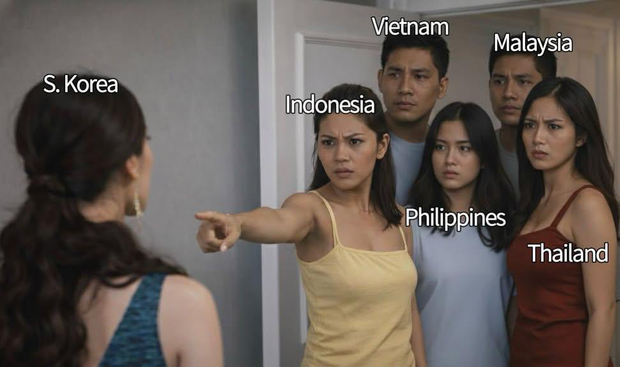
The conflict traces back to a DAY6 concert in Kuala Lumpur on January 31, where Korean fan site operators were accused of bringing in professional cameras in violation of venue rules. Local fans raised the issue on social media, which triggered a sharp response from Korean netizens. What followed escalated quickly. Korean users mocked Southeast Asian fans, their music, their economies, and in some cases made overtly racist comments targeting the physical appearance of Southeast Asian women. In retaliation, Southeast Asian fans shared their own long-standing grievances about discrimination experienced in Korea and began organizing under the hashtag #SEAblings, combining "Southeast Asia" and "siblings."

The movement pulled in users from Indonesia, Malaysia, Thailand and Vietnam, who united behind calls to halt travel to Korea and boycott major Korean brands including Samsung and cosmetics chain Olive Young. Regional media outlets including Indonesia's Jakarta Post covered the boycott campaigns extensively. One widely shared video on Threads showed an Indonesian user cutting up K-pop CDs and photo cards, saying they were choosing to defend their people's dignity over their fandom.
Korean netizens largely dismissed the boycott, with some pointing out that much K-drama consumption in Southeast Asia happens through illegal streaming, making a formal boycott largely symbolic. The dismissive tone, however, only added to the frustration on the Southeast Asian side.

The stakes are significant for Korea's cultural industry. Southeast Asia consistently ranks among the world's top markets for K-pop and K-drama consumption, with Indonesia, Malaysia, the Philippines and Thailand particularly active audiences. The Korea Creative Content Agency reported that Korean content exports reached $10.3 billion by the third quarter of 2025 alone, with full-year exports projected to surpass $15 billion. Streaming platforms reported a measurable drop in engagement during the height of the dispute.
Korea's government has not issued any official statement on the matter. Industry observers note that Southeast Asia is not simply a passive consumer market anymore — it is a region that shapes global entertainment trends and holds real economic leverage, a reality this dispute has made difficult to ignore.