
South Korea has a new late-night social trend, and it involves chasing strangers through the streets.
Online communities and KakaoTalk open chat groups have seen a surge in posts from young adults in their twenties and thirties looking for "police-and-thief meet-ups." The game itself is simple and comes straight from childhood: participants split into two teams, police chase thieves, and whoever achieves their objective within a set time wins. It is the kind of game most Korean children played in the mid-2000s. Now it is being played by adults at night, in city parks and open spaces, as a way to exercise, meet people and feel something other than isolated.
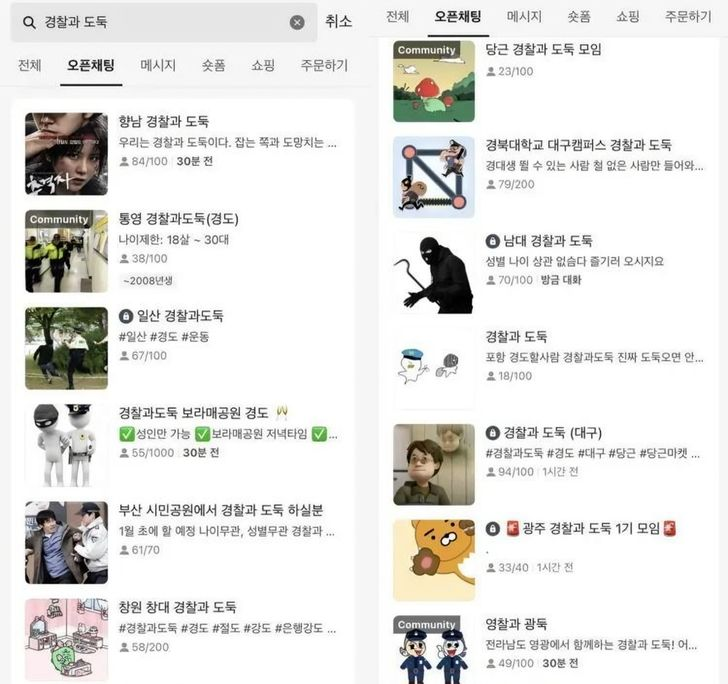
The numbers say this is more than a niche hobby. Some groups on neighborhood activity boards and chat forums have attracted between 300 and 500 members, with sign-ups closing early. In certain Seoul districts, more than 2,000 people have joined a single group. Many sessions include other traditional Korean children's games alongside the chase, such as "drop the handkerchief" or "red light, green light," and most end with a casual group meal and conversation.
Experts who have looked at the trend point to a combination of factors. Nostalgia for childhood plays a part, as does loneliness among young adults who are finding traditional ways of meeting people less available or less appealing. There is also something appealing about the anonymity of it. These gatherings let people show up, run around, and connect without the weight of professional networking or social media performance. The cost is low. The barrier to entry is almost nothing. You just need to be able to run.
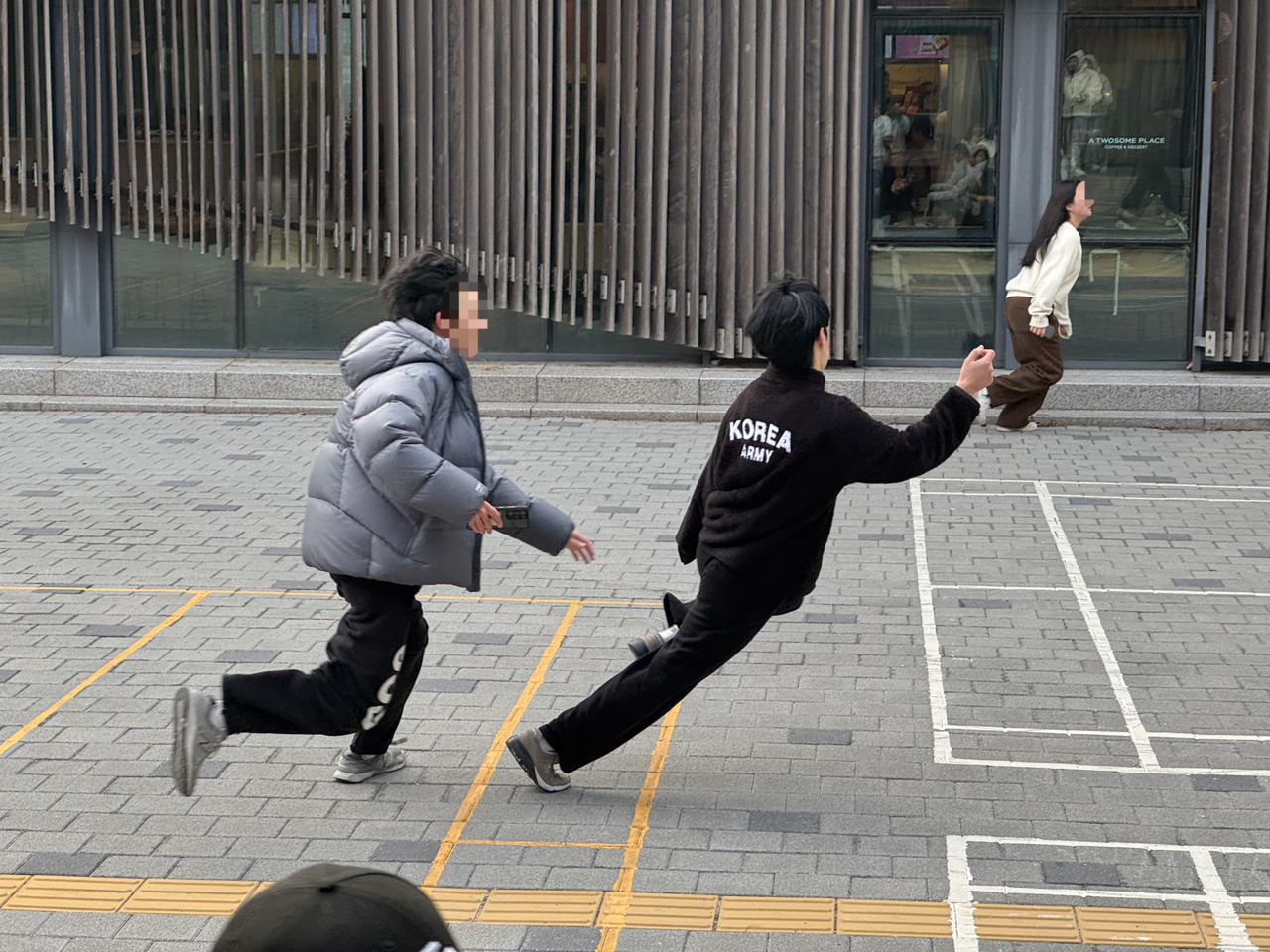
The winter version of the trend comes with a health warning though. Doctors are flagging that high-intensity running games outdoors in cold temperatures carry a higher injury risk than most people assume. Cold muscles are stiffer, and the sudden bursts of sprinting, sharp turns and abrupt stops that the game demands can put stress on the knees, iliotibial band and lower body joints. Orthopedic professor Kim Hak-jun of Korea University Guro Hospital recommends spending five to ten minutes warming up before playing and cooling down properly afterward. Wearing hats, gloves and lightweight layered clothing also helps the body maintain heat more safely.
The trend will likely expand as spring arrives and outdoor conditions improve. For now, it is running on a combination of nostalgia, loneliness and the surprisingly enduring appeal of a childhood game that turns out to work just as well at midnight.