
BTS named their comeback album "Arirang." For anyone outside Korea, that might just sound like a title. For Koreans, it means something else entirely.
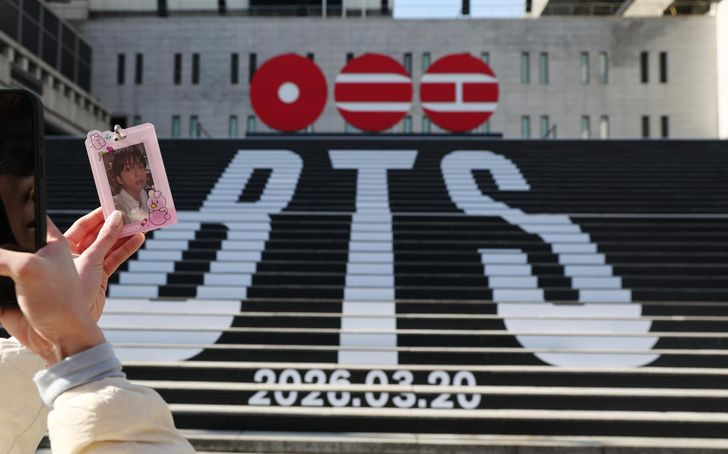
"Arirang" is arguably Korea's most well-known traditional folk song, sung across centuries and across the world wherever Koreans have settled. It has so many regional versions and variants that no one can count them all. It is sometimes called Korea's second national anthem. When BTS chose it as the title of their first studio album in over three years and as the name of their comeback concert at Gwanghwamun Square on March 21 they were reaching into something with a very long history.
BigHit Music describes the title as a symbolic expression of the emotions behind the album and the performance: "the longing and deep love that lie within their hearts," alongside BTS' identity as a group that began in Korea and grew into a global phenomenon. That is a careful description of what the word actually holds. The song is about separation, the pain of watching someone leave, and the strange human impulse to wish for their return even while letting them go. The most widely known version, Standard Arirang, opens with the familiar refrain "Arirang, arirang, arariyo" and contains one of the most quietly devastating wishes in any folk tradition: may your feet grow sore before three miles, so that you might come back.

But the song carries more than romantic longing. In the late 19th and early 20th centuries, as Korea lost sovereignty to Japanese colonial rule, "Arirang" became a song of resistance and grief. Koreans sang it through forced labor, exile, and prison. The 1926 silent film "Arirang," made by director and actor Na Woon-gyu during Japanese occupation, turned the song into a symbol of anti-colonial defiance. Audiences reportedly wept and sang together at every screening.
The song was sung in the same years by Koreans fighting for independence in China, by exiles crossing borders, by families torn apart by history. It traveled wherever Koreans went and became the thing they reached for when words ran out.
Now BTS is singing it at Gwanghwamun Square, the historic heart of Seoul, in front of a global audience numbering in the hundreds of thousands in person and tens of millions watching on Netflix. The fact that a group of seven Korean men, who spent years becoming the world's biggest band, chose to mark their return with this particular word says something about what they see as the center of their story.

Musicologist Hahn Myung-hee once wrote that "Arirang" is like a pebble washed smooth by a river, carrying the emotional sensibility of the Korean people across generations of joy and sorrow. BTS bringing it to Gwanghwamun in 2026 adds one more layer to that stone.