
A wave of online backlash has emerged after a controversy at a recent K-pop concert in Southeast Asia, leading many fans in the region to call for a boycott of Korean entertainment content, including K-dramas and K-pop music.
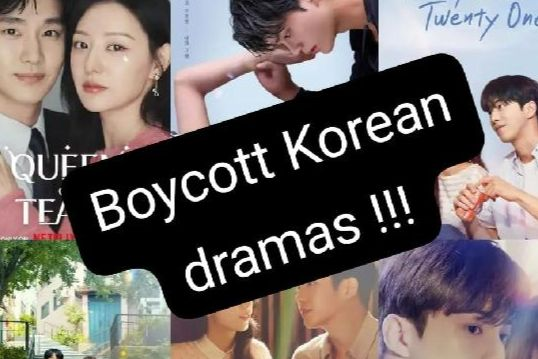
The issue began when reports surfaced that certain South Korean attendees were allegedly allowed to bring professional cameras into the concert venue, despite strict rules prohibiting such equipment. This perceived double standard quickly sparked frustration among Southeast Asian fans, who viewed the situation as unfair treatment.
Following the incident, several Southeast Asian netizens took to social media platforms to express their anger and disappointment. Many announced plans to boycott Korean content until the issue is addressed, with some calling for greater respect toward international fans. The reaction highlights how strongly global audiences feel about fairness and equal treatment at large-scale events.
The controversy did not remain one-sided. South Korean netizens also responded online, with some criticizing the boycott and questioning its impact. This exchange of opinions quickly escalated into a broader online debate between the two groups, further intensifying the situation.
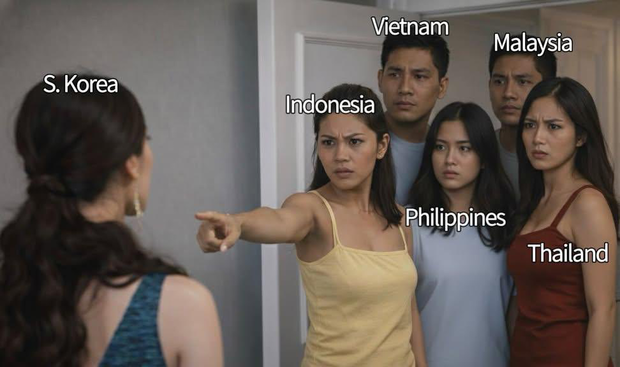
The incident reflects the growing influence of K-pop and Korean entertainment across Southeast Asia, which has become one of the industry’s most important international markets. Over the years, the region has played a significant role in supporting concerts, streaming content, and expanding the global reach of Korean culture.
At the same time, the situation has raised concerns about how cultural differences and expectations are managed at international events. Online discussions have highlighted issues related to respect, inclusivity, and the treatment of fans from different countries. Similar incidents in the past have also shown how quickly misunderstandings can escalate in the digital age.
Industry observers note that while online backlash and boycott calls can create temporary tension, they also reflect the strong emotional connection fans have with K-pop and K-dramas. The global nature of the industry means that even small incidents can gain widespread attention and lead to larger discussions about fairness and representation.
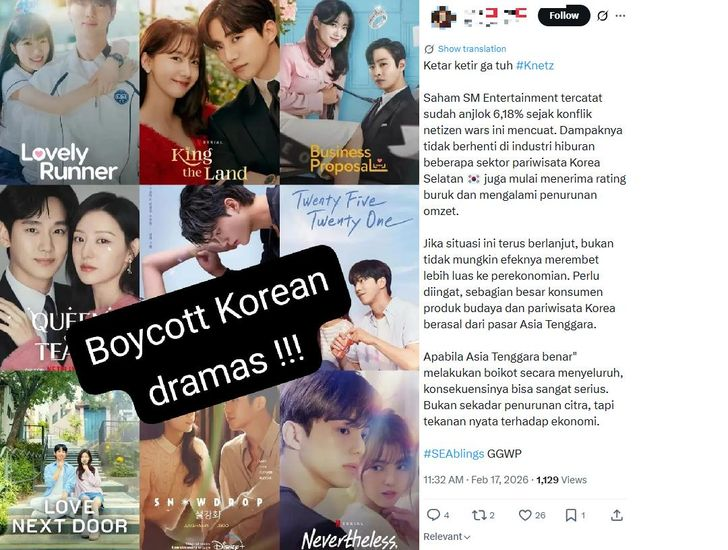
As debates continue across social media, the situation serves as a reminder of the challenges that come with managing global fan communities. With Korean entertainment continuing to expand worldwide, ensuring equal treatment and clear communication at international events remains essential for maintaining positive relationships with fans.