
Emma Stone winning an Oscar is not surprising. Emma Stone talking about BTS in an interview is a different story.
The actress, in a recent interview, opened up about developing a genuine curiosity for K-pop and how she ended up going down that rabbit hole. BTS was the group that caught her attention first. She described being drawn in by their performances and the kind of emotional pull they seem to have on fans globally, something that is hard to explain to someone who has not seen it firsthand. For a lot of international listeners, BTS has been that entry point, the group that makes someone go from casually noticing K-pop to actively seeking it out.
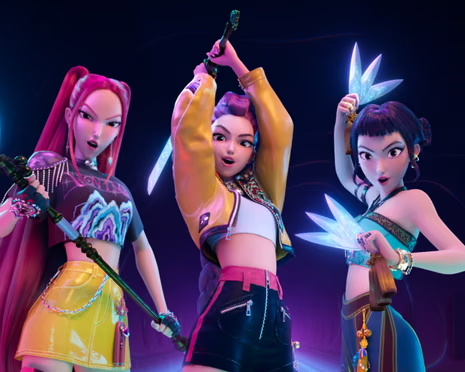
She also brought up KPop Demon Hunters, the Netflix animated film that blends K-pop culture with action and fantasy. The project has done something interesting in how it packages Korean pop culture for audiences who might not have come to it through music alone. Clips and music tied to the film have pulled in millions of views online, and it is the kind of project that reaches people who were never looking for K-pop specifically but find themselves genuinely hooked anyway.

None of this happens in a vacuum. BTS spent years building a global fanbase that crosses language barriers in a way very few artists ever manage. When they topped international charts and performed at some of the world's biggest stages, it did not just benefit them. It shifted the whole perception of what Korean pop music could be and who it was for. Other Korean artists have been able to build international careers partly because BTS normalized the idea of a non-English speaking group having a massive Western fanbase.
KPop Demon Hunters is part of the same wave, just coming at it from a different angle. Animation, fantasy storytelling, action, and K-pop aesthetics wrapped together into something that feels accessible even if you have never watched a music show in your life.
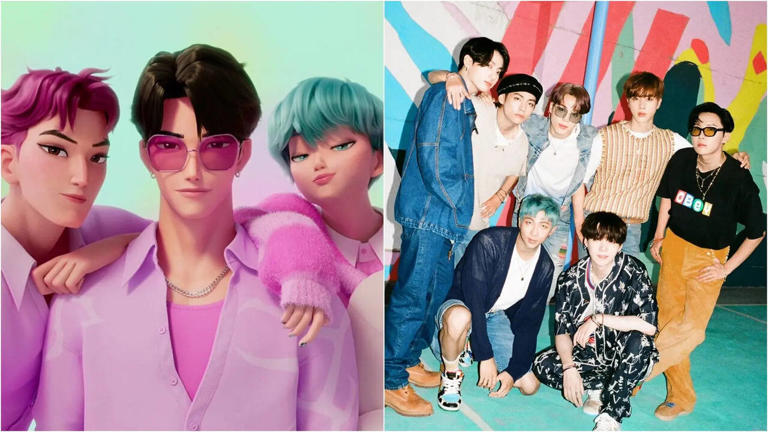
When a two-time Academy Award winner casually mentions in an interview that she has been listening to BTS, it says something about where Korean entertainment sits right now in the wider global conversation. It is not niche anymore. It is the kind of thing Hollywood actors bring up unprompted.