
Seoul's most popular tourist attractions are no longer the ones on the map.
A growing number of foreign visitors are skipping the standard palace-and-shopping itinerary and choosing a very different kind of trip — one built around doing exactly what locals do. Scalp care clinics, Han River ramen, saju fortune readings, PC cafes, frozen waterfalls, dental veneers. If Koreans do it on a regular Tuesday, tourists are now booking it.
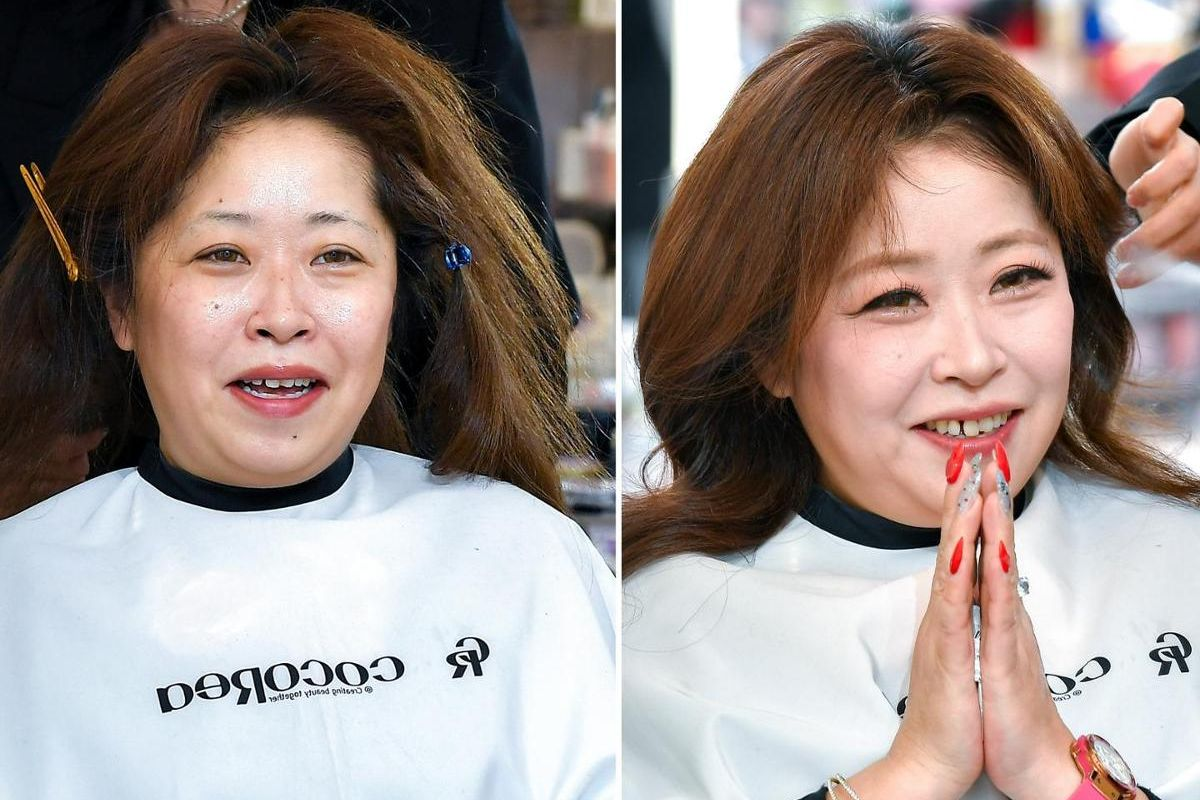
The shift has been years in the making, but social media accelerated it. When Lindsay, a 34-year-old Canadian, and Kentaro, a 46-year-old Japanese visitor, landed in Seoul in February, their first stop wasn't a landmark. It was a specialized scalp care clinic in Myeong-dong — booked after seeing reviews online. A scalp massage "like Koreans do," they said, had become popular abroad. They left satisfied.
That story repeats across the city in different forms. Chinese tourists come for K-beauty makeup sessions, wanting to learn techniques they say are far more detailed than what's available at home. Japanese visitors book saju readings — Korea's traditional fate-reading system based on birth date and time — at fortune teller shops near Hongik University that now display signs in Japanese, Chinese, and English and have hired multilingual fortune tellers to keep up with demand. Google searches for "Korean saju" jumped roughly fivefold late last year, partly driven by the Netflix animation "KPop Demon Hunters."
Data from the Korea Tourism Data Lab shows that foreign spending on medical and wellness services rose from 9.8 percent of total credit card spending in 2020 to 15.2 percent last year, now ranking third behind shopping and accommodation. Dental clinics in Gangnam are competing for overseas patients with same-day programs for teeth whitening and cosmetic work. One clinic director said around 40 percent of his patients are now foreign. An optical shop near Hongik University serves 400 to 500 international customers a month.
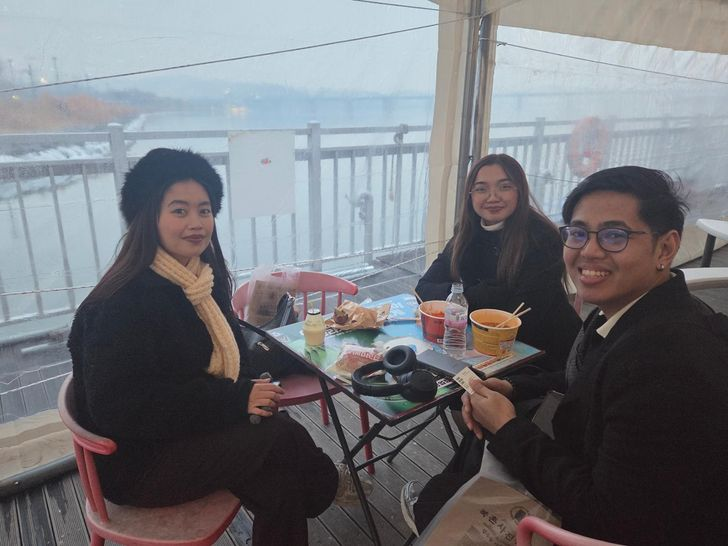
Then there's the Han River. Eating instant noodles from a convenience store while sitting by the water has become, somehow, a bucket list item. Visitors follow social media recipes for banana milk and Buldak noodle combinations. Lines form at noodle cooking stations in riverside parks. Kyle, a 26-year-old from the Philippines, said she'd been wanting to try it ever since she saw Korean drama characters do it on screen.
Mount Bukhan, once mostly a local weekend spot, now has three dedicated foreign visitor tourism centers run by the Seoul Tourism Organization. Hongje Falls in Seodaemun — an artificial waterfall that freezes in winter — has become a photo destination for visitors who simply want to see something they can't see at home.

Kim Nam-jo, a tourism professor at Hanyang University, said the pattern is clear: people want to go where Koreans go, not where tourists are supposed to go. Social media made that kind of travel possible in a way guidebooks never could.