
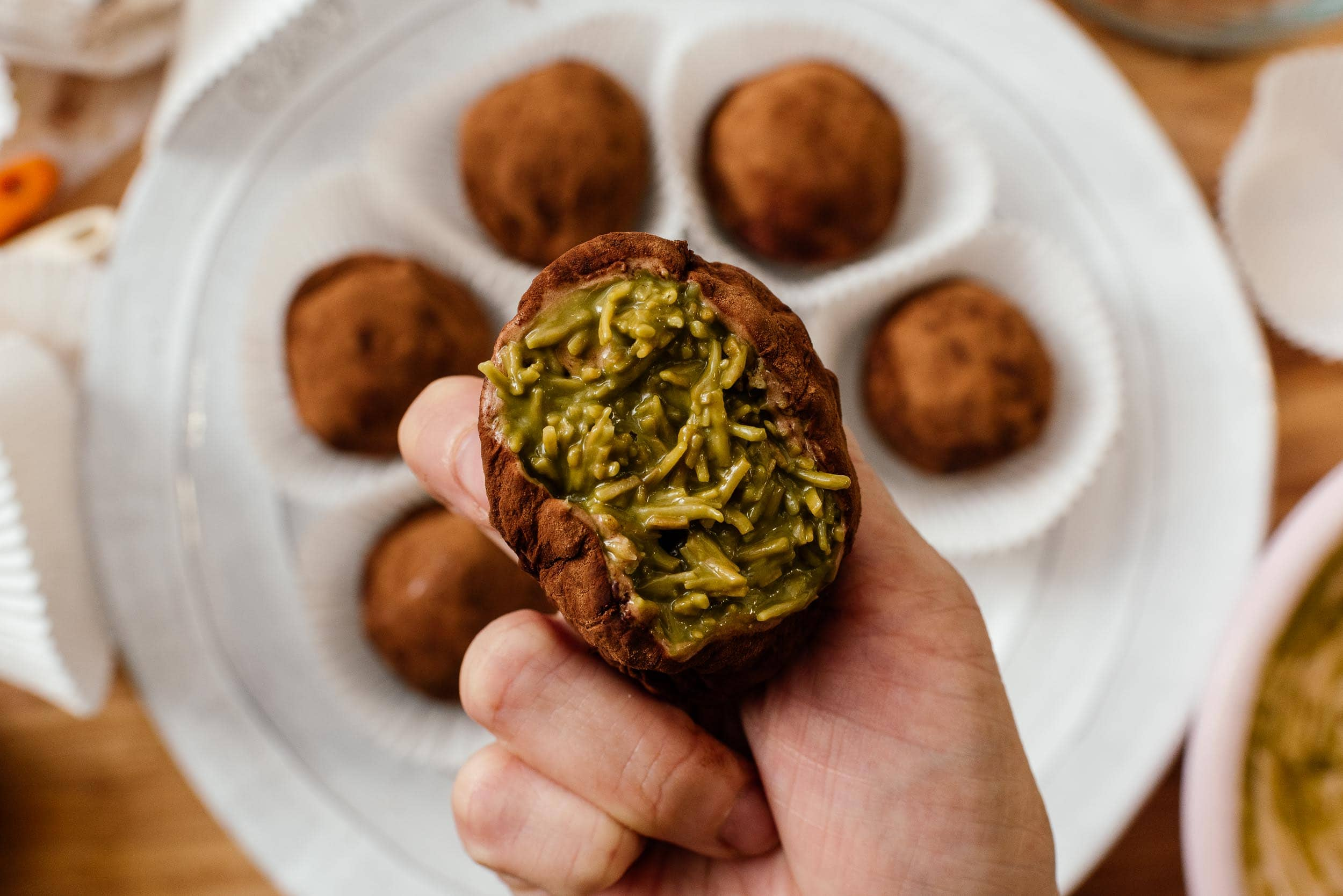
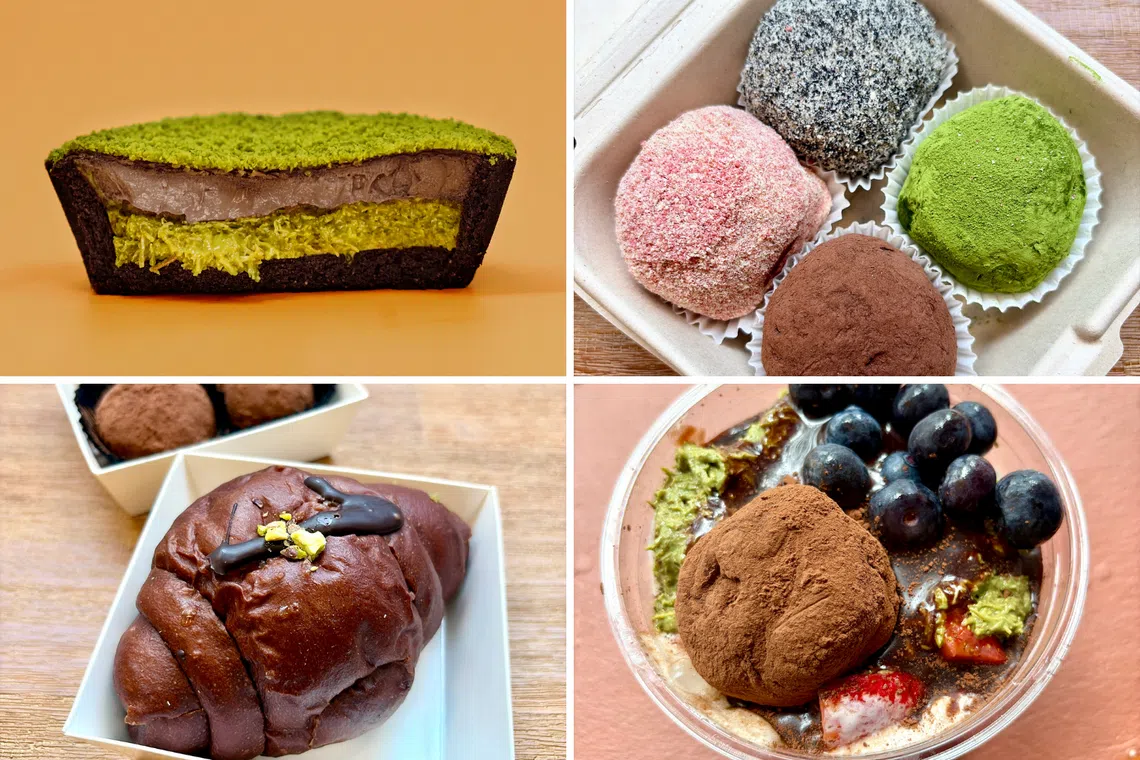
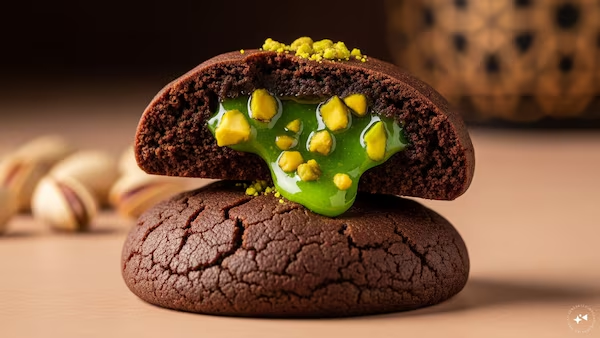
First it was the Dubai chocolate bar. Then came the Korean remix — pistachio cream and shredded kadaif pastry wrapped in chewy marshmallow-dusted dough, sold at cafés across Seoul for up to 10,000 won a piece. Lines stretched around the block. Ingredients ran out. Pistachio prices jumped 20 percent.
Now Korea has a new obsession. And this one is cheaper, more accessible, and in some ways more interesting.
Butter rice cakes — also known as butter mochi or butter tteok — are emerging as the next trending dessert following the Dubai chewy cookie craze, with long lines already forming at bakeries across Korea.The format is straightforward: glutinous rice flour gives the cake its signature chew, butter adds a rich, subtle savory note that balances the mild sweetness, and a crispy exterior creates that satisfying contrast in a single bite. Some shops add tapioca starch for extra elasticity. Others keep it simple.
Butter rice cake's Google Trends index registered at zero as recently as March 1 this year, then shot to 100 — the maximum possible score — within days. "Dessert trend cycles are getting shorter while social media accelerates how quickly they spread," said one food industry official. "Butter rice cake went viral first on TikTok and Instagram among overseas users, and it's now gaining traction domestically."
Several specific spots have already built reputations around the trend. House M serves heart-shaped versions. Saddler Haus bakes fresh plain and chocolate butter rice cakes every 30 minutes and draws long queues. Tongtonge, credited as one of the first places to introduce butter rice cake in Korea, offers a gluten-free version. Haz Bakery in Seongsu has gone viral for its oversized "king butter rice cake."
Part of what makes this trend different from its predecessor is the price. The Dubai chewy cookie — which Korea called "dujjong-ku" — could cost up to 10,000 won at peak demand, as supply chains strained and pistachio prices climbed. Butter rice cakes run between 2,000 and 3,000 won each. You can actually afford to go twice.
This feeds into something broader about what Korean consumers want from viral food. Experts trace the texture obsession — "kkudeok kkudeok" in Korean, meaning that specific chewy, yielding resistance — back to Korean culinary tradition. "Koreans grew up eating a lot of foods that are tough and fibrous, like chewy rice cakes and dried seafood. Our jaw muscles became stronger, and I think that's why many people enjoy foods that give their mouth something to push against," said food columnist Kim.
The craze is also self-aware. Viral food trends in Korea rise and fall quickly — the culture knows it. The butter rice cake trend may last a season or it may stick around longer, depending on whether the texture novelty holds.
For anyone visiting Seoul right now: the Seongsu and Hongdae neighborhoods are where to look. The queues are real, the snack is worth it, and at 2,500 won, you can afford to find out.