
Walk into any trendy café in Seoul right now and you'll notice something odd: young people ordering decaf. Not because they're anxious or can't sleep — just because they'd rather not have the caffeine. A few years ago, that would've gotten you a strange look. Now it's practically a personality type.
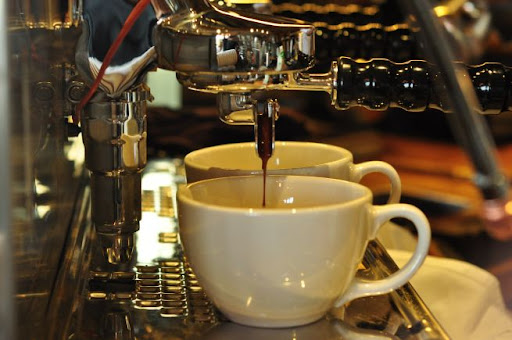
Korea's "healthy pleasure" trend has been quietly reshaping what young consumers put in their bodies for the better part of three years — and the numbers now show just how dramatically it's taken hold. The movement drove a surge in demand for low-sugar and sugar-free products, including soft drinks, alcoholic beverages, and desserts.
From 2018 to 2023, retail sales for health and wellness beverages in South Korea surged from $2.58 billion to $3.56 billion — a 37.9% increase. Projections estimate the market could reach $4.37 billion by 2026. That's not a niche trend. That's a category being completely rebuilt.
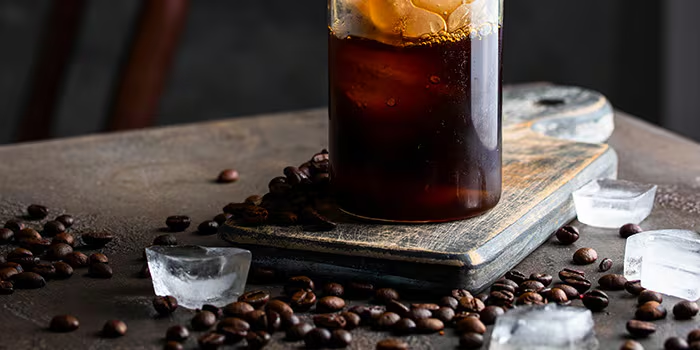
What's interesting is how this shift happened without much preaching. Nobody told young Koreans to drink less sugar. The change came from somewhere more internal — a generation that grew up watching diet culture curdle into something ugly, and quietly decided they wanted something different. Not restriction exactly, but intention. The idea that you can enjoy something without it working against you.
The sugar-free beverage market in South Korea is projected to grow from roughly $281 million in 2024 to over $1.5 billion by 2034 — an annual growth rate of 18.5%. Brands have taken notice and scrambled to keep up. Every major convenience store chain now carries multiple zero-sugar versions of its bestsellers. The question used to be whether customers wanted them. Now the question is which one.
A 2023 survey found that about 60 percent of South Korean consumers chose sugar-free beverages because they felt they'd be less likely to gain weight from them— a practical concern, not an ideological one. People aren't doing this to signal anything. They're doing it because it fits the way they want to live.
Starting January 1, 2026, South Korean regulations now require products making "zero-sugar" or "sugar-free" claims to specify any sweeteners used and their caloric content. That kind of transparency is new — and tells you that authorities take this market seriously enough to regulate it carefully.
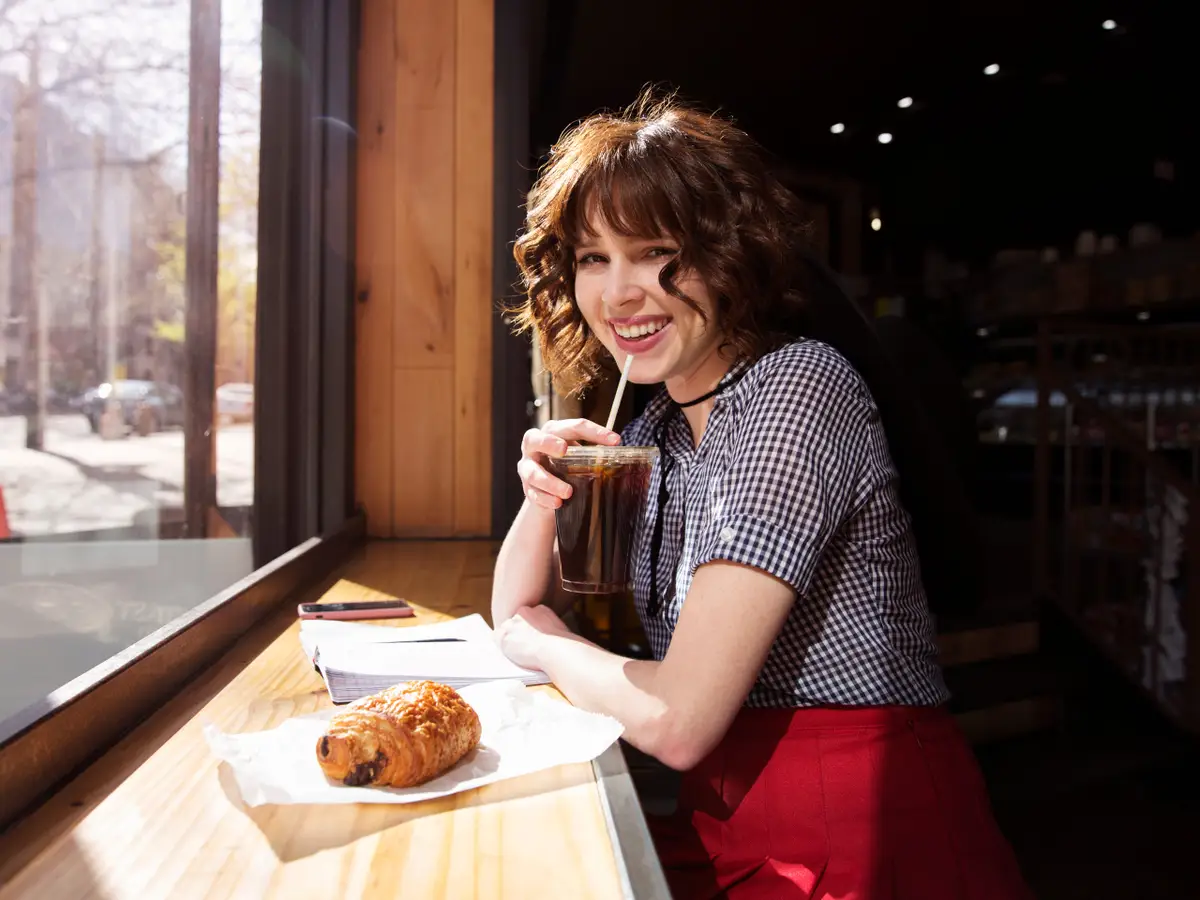
The decaf trend sits beside all of this comfortably. Korean coffee culture had already matured to the point where specialty cafés were competing on sourcing and roasting as much as on taste. Decaf stopped being the sad option when cafés started offering genuinely good versions of it — beans processed well enough that you couldn't tell the difference unless you were looking for it.
For foreign visitors who grew up treating decaf as a concession rather than a choice: Seoul is not that place. The person next to you in the café ordering a decaf oat flat white at 9 a.m. is not compromising. They're just living how they want to live.
That's basically the whole trend, actually.