
U.S. President Donald Trump has announced plans to double tariffs on Canadian automobiles to 50%, escalating tensions between the two North American trading partners.

Trump made the announcement on Truth Social, arguing that Canada’s trade policies have created an unfair situation for American industries. He particularly criticized what he described as “ridiculously high” Canadian tariffs on U.S. farm exports.
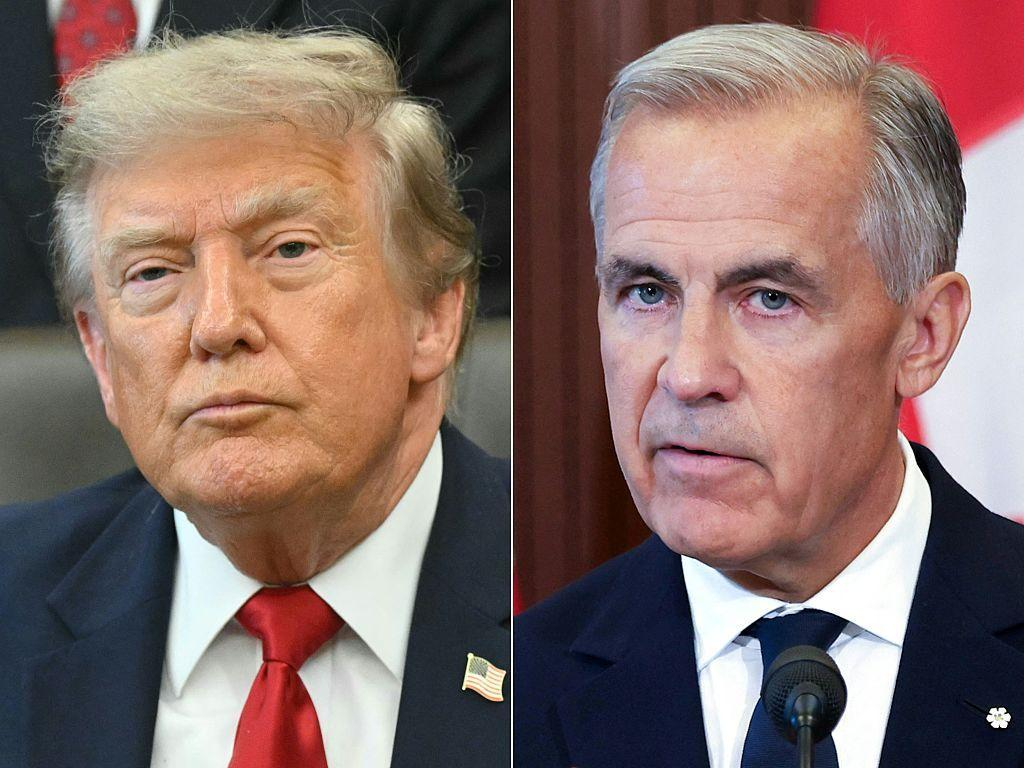
The proposed increase would raise the tariff on Canadian automobiles from 25% to 50%, adding further pressure to an already strained economic relationship between the United States and Canada. The auto industry is especially sensitive to tariff changes because vehicle manufacturing in North America depends heavily on cross-border supply chains, with parts and components frequently moving between the U.S., Canada and Mexico.
The announcement could also increase uncertainty for automakers, suppliers and consumers as companies assess the potential impact of higher import costs. Higher tariffs can increase production expenses and may eventually affect vehicle prices, depending on how manufacturers respond.

Trump’s latest move represents another significant escalation in his administration’s trade approach toward Canada. The two countries have historically maintained deeply integrated economies, particularly in the automotive, agricultural and manufacturing sectors.
Canadian officials and industry representatives are expected to face growing pressure to respond as negotiations over trade and tariffs continue.
While Trump has linked the tariff increase to Canada’s treatment of U.S. agricultural exports, the broader dispute reflects ongoing disagreements over trade policy between Washington and Ottawa.
The latest announcement is likely to keep the U.S.-Canada trade relationship under close scrutiny as businesses prepare for possible changes in cross-border commerce.