
They had been planning the reunion for months.
Fourteen family members flying in from different cities, some from different countries, all converging on one restaurant for one evening that had taken considerable effort to coordinate. The private dining room had been booked six weeks in advance — deposit paid, menu pre-selected, dietary requirements submitted in writing.
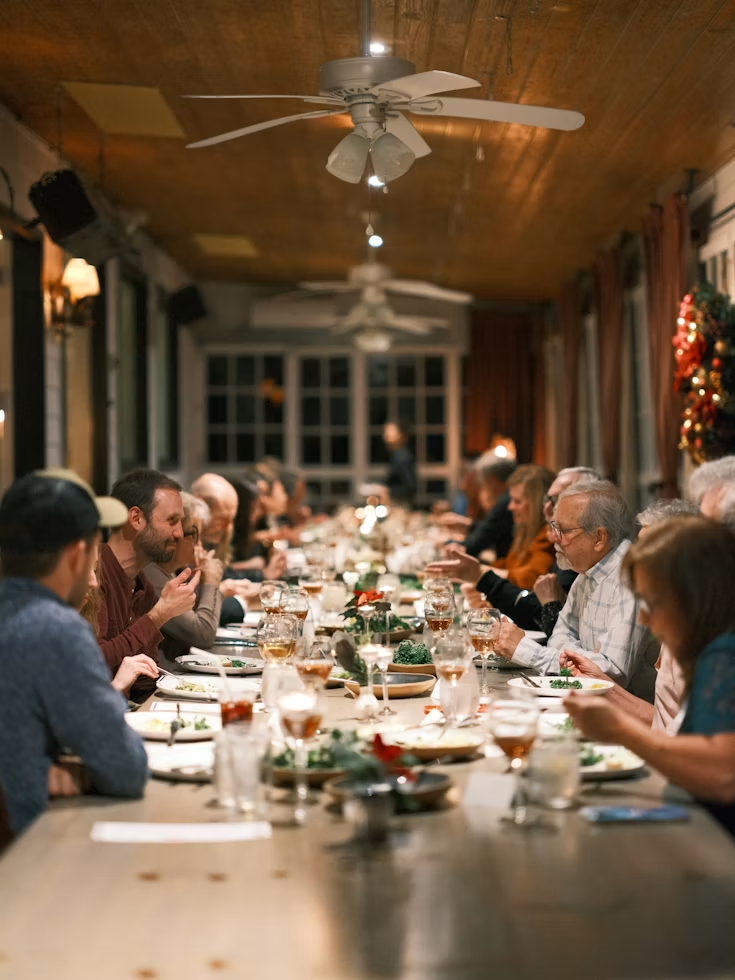
When they arrived the host at the front desk looked at them with an expression that immediately told them something was wrong.
The private dining room had been given to another group.

No phone call ahead of time. No warning. No attempt to reach anyone in the family before they all showed up dressed for a celebration. The room they had booked, paid a deposit for, and planned an entire evening around was occupied by strangers who had apparently also booked it — and the restaurant had honoured that booking instead of theirs.
The manager came out and offered them the main dining room. Fourteen people, a family reunion, a table in the middle of a busy Friday night service surrounded by other diners. Not a private room. Not what they had planned. Not what they had paid for.
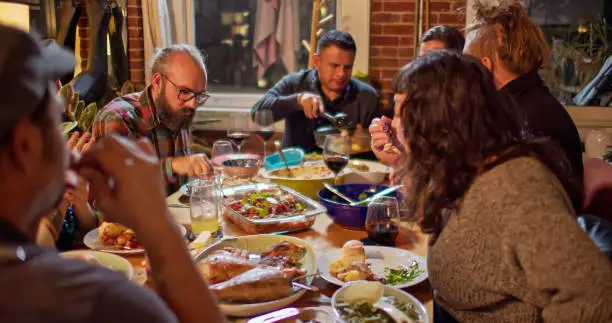
Some family members had not seen each other in years. The conversations they had been looking forward to having in a quiet private space now happened across a loud main dining room where they could barely hear each other.
The deposit was refunded after a formal complaint. The evening was not.