
They had booked the table three weeks in advance. It was their anniversary. The restaurant was not the kind of place you walk into without a reservation — it was the kind of place you plan for, dress up for, and look forward to for weeks.

They arrived on time. They gave their name at the front desk. The host looked down at the book, looked back up, and told them there was nothing under that name.
No reservation. No record. No table.
The husband pulled up the confirmation email on his phone right there at the front desk. The date, the time, the number of guests — all of it exactly as booked. The host looked at it, nodded, and then told them the restaurant was fully booked for the evening and there was nothing they could do.
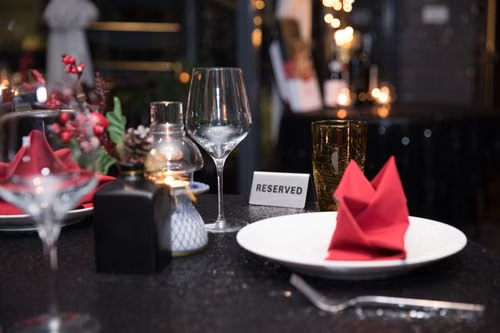
No apology. No offer to check again. No attempt to find a solution.
The couple stood there for a few minutes — dressed up, hungry, and completely blindsided — before walking back out the door.
They ended up at a small Italian place two streets away that had no reservations, no dress code, and a waiter who brought them a complimentary dessert when they mentioned it was their anniversary. The food was good. The evening was salvaged.

But the original restaurant — the one they had planned around, told friends about, and looked forward to for weeks — has not seen them since. They have also made sure that everyone they know has heard exactly what happened that night.
A lost reservation cost that restaurant two loyal customers and every person those two customers ever recommended it to.