
On the internet, the private lives of King Charles, Princess Diana, and Queen Camilla are routinely flattened into a soap-opera caricature—a simple "hero versus villain" love triangle. Viral social media polls constantly ask audiences to choose sides or speculate on who could have made the King happier. However, when viewed through the lens of history and human psychology, the reality is far more complex, nuanced, and deeply human than any binary online prompt suggests.
Diana and Charles: A Collision of Mismatched Personalities
When Prince Charles and Lady Diana Spencer married in 1981, the world viewed it as a literal fairy tale. In reality, the union faced structural fractures from the very beginning. Beyond the significant 12-year age gap, the two possessed fundamentally incompatible temperaments, emotional needs, and worldviews.
Princess Diana was deeply intuitive, emotionally expressive, and craved direct connection, both in her private life and with the public.
King Charles, by contrast, was raised in the rigid, emotionally reserved traditions of the British monarchy, finding his solace in quiet intellectual pursuits, architecture, and philosophy.
Within a few years, it became starkly evident that neither could provide the specific emotional validation the other required. Speculating that they would be happy today if circumstances were different overlooks this core historical reality: their separation was ultimately driven by a profound mismatch of personalities rather than external forces alone.
Queen Camilla: Intellectual Compatibility and Shared Grounding
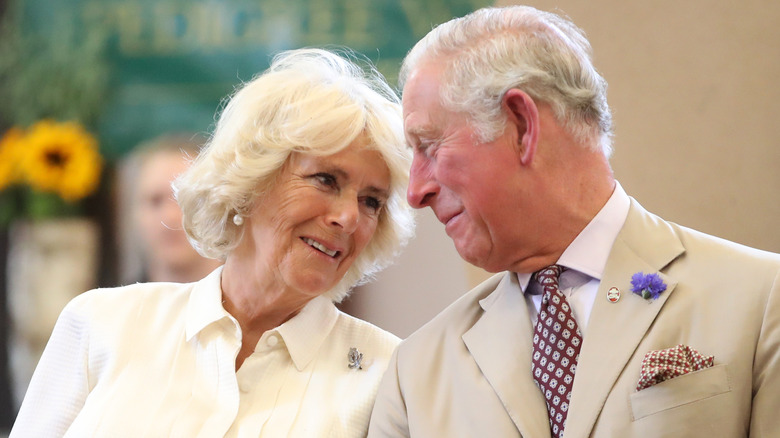
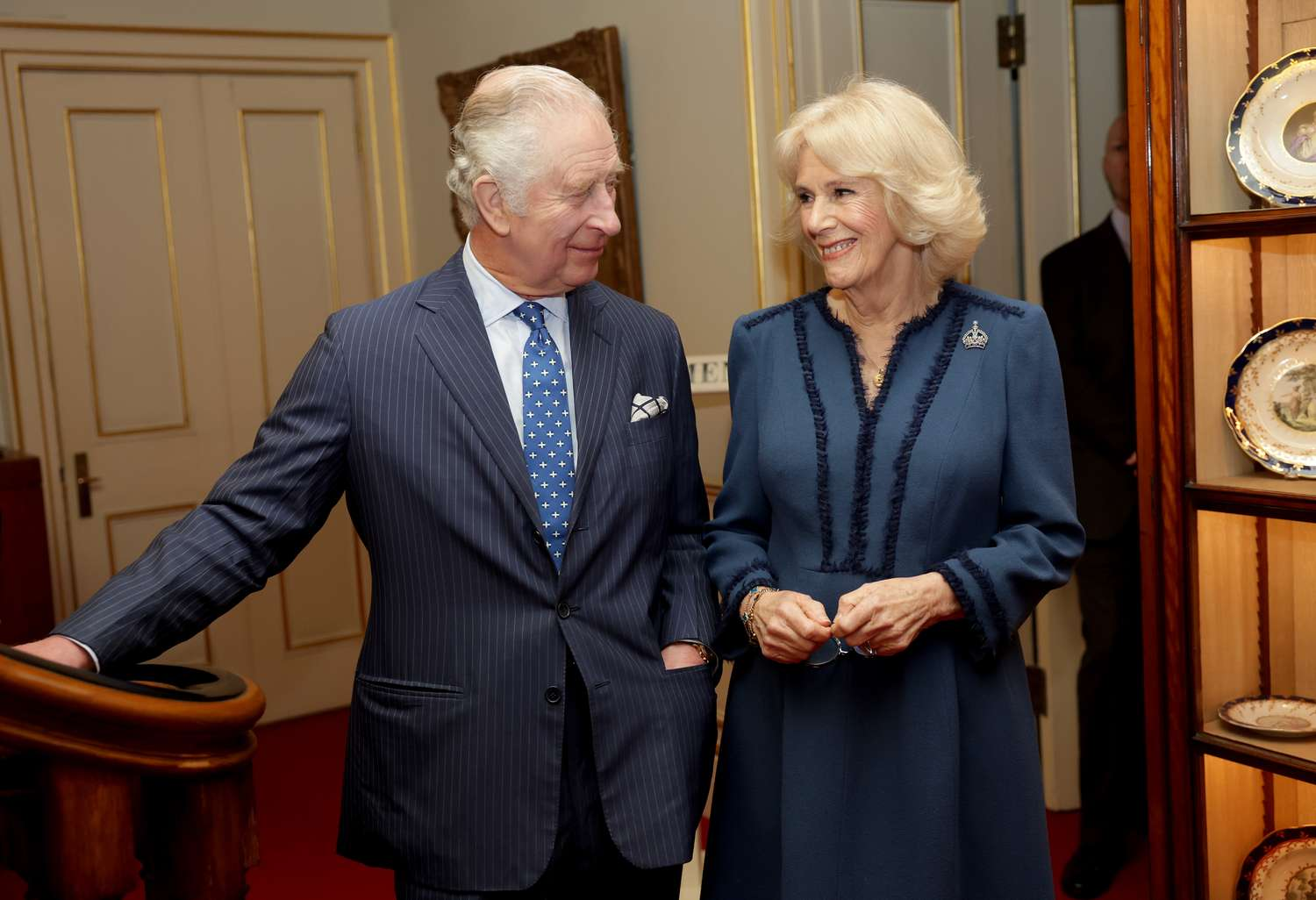
The relationship between Charles and Camilla was not a sudden, disruptive twist; it was a deeply rooted connection that predated his first marriage by a decade. Historians and royal biographers consistently point out that Charles and Camilla shared an immense level of intellectual and lifestyle compatibility.
They shared identical, grounded interests—ranging from a love for the British countryside and equestrianism to literature and rural isolation. Most importantly, Camilla provided a sense of normalcy and uncritical acceptance that Charles, burdened by the pressures of his royal destiny, rarely found elsewhere. She understood his temperament completely, which explains why their partnership quietly endured decades of intense public scrutiny and controversy.
The Realistic Verdict
Ultimately, human happiness and the longevity of a relationship rely on mutual understanding, shared rhythms, and emotional peace.
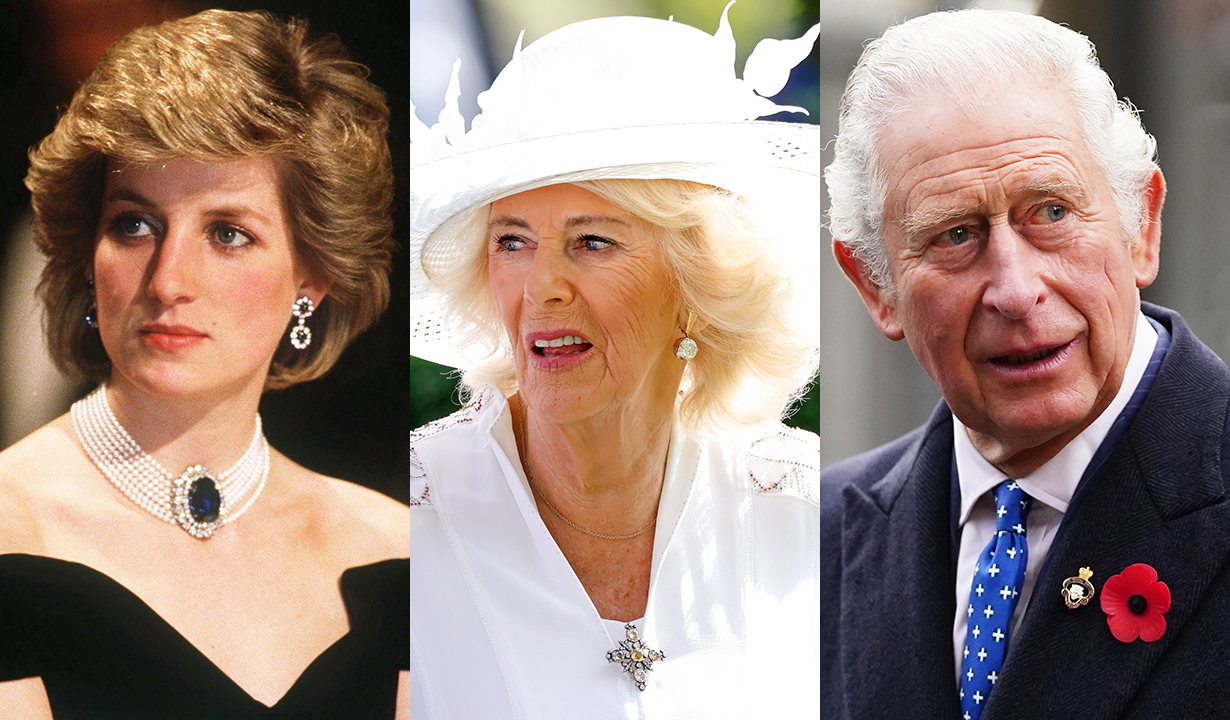
While it is easy for modern digital audiences to look back at history and romanticize an alternative timeline, the reality of human nature is unyielding. Princess Diana and King Charles were inherently incompatible paths destined to diverge. The enduring partnership of King Charles and Queen Camilla stands as a real-world case study in relationships: long-term stability is built on genuine psychological compatibility and quiet, mutual support, far away from the idealized narratives of a social media feed.