
As the United States inches closer to the November 2026 midterm elections, political action committees, media outlets, and digital strategists are ramping up their online presence. A premier example of this early mobilization is the viral dissemination of simplified polling graphics, such as images featuring embroidered campaign merchandise paired with direct, binary questions. While these posts appear to be basic public opinion gauges, they are highly calculated tools engineered to maximize digital real estate and drive algorithmic visibility.
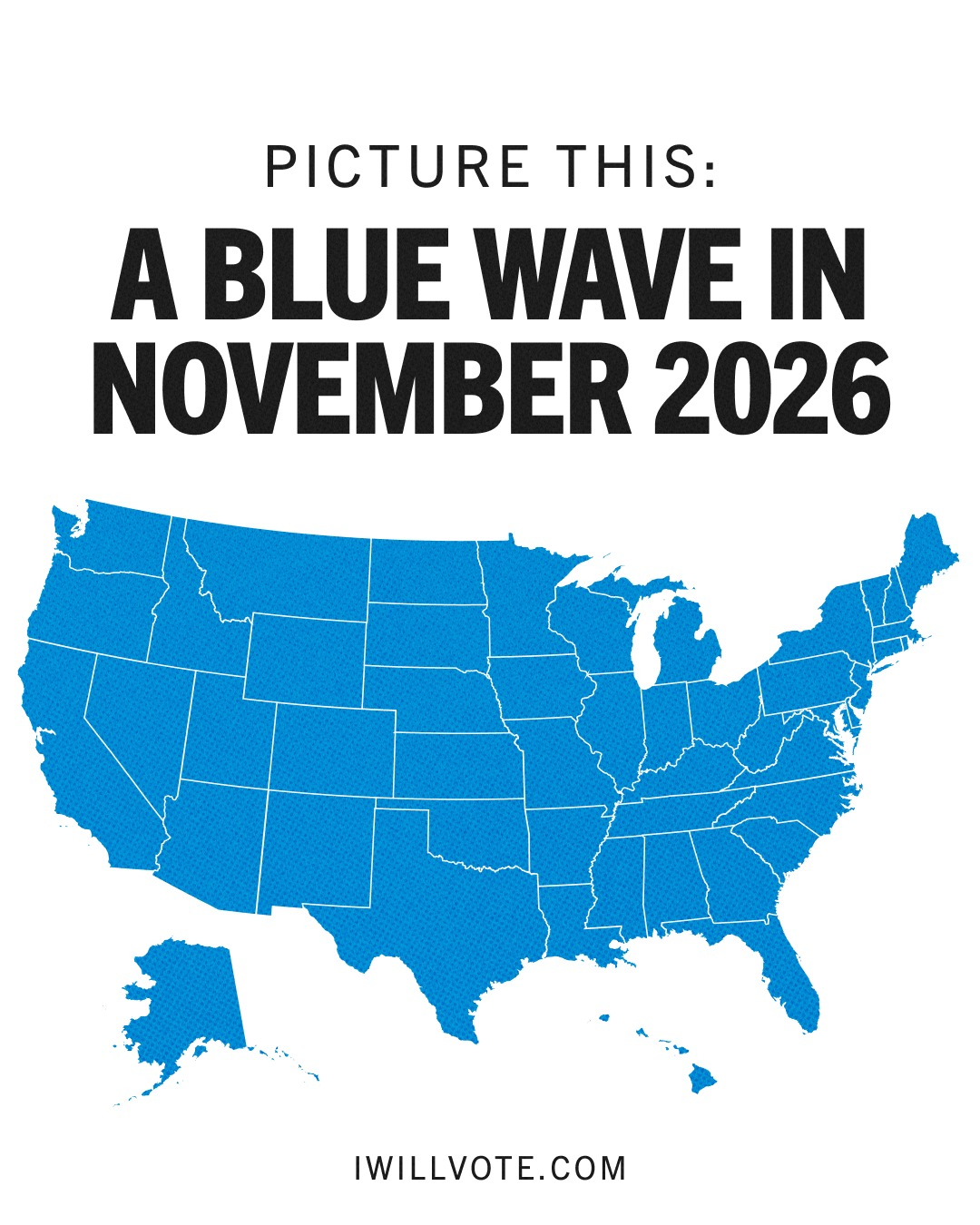
Deconstructing the Terminology and Visuals
The graphic relies heavily on established political shorthand and clear visual markers:
The 'Blue Wave' Symbolism: In contemporary American politics, the term "Blue Wave" refers to a massive surge in voter turnout and legislative victories for the Democratic Party. By using a bright blue cap—reminiscent of traditional campaign headwear—the image provides an immediate, easily recognizable anchor for partisan identity.
The Binary Framing: Presenting a complex national mood as a simple "YES or NO" question forces users into immediate alignment or opposition. It strips away policy nuances in favor of emotional, gut-reaction voting.