
The public demand for total transparency regarding the Jeffrey Epstein investigation remains one of the most polarizing and persistent topics in modern American political discourse. This dynamic is vividly illustrated by viral social media graphics that challenge audiences with high-stakes, hypothetical questions—specifically linking the unredacted release of investigative files directly to the potential legal vulnerability of major political figures like Donald Trump.
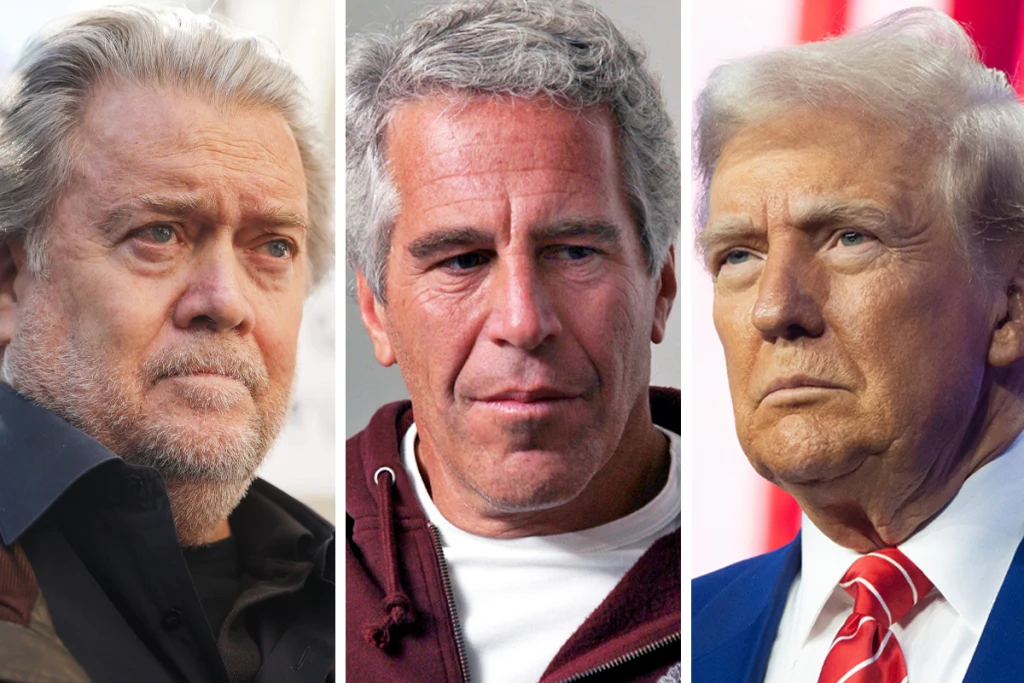
Deconstructing the Visual and Context
The format of the post is explicitly engineered to drive maximum psychological and digital engagement:
The Framing: By presenting the question as an ultimatum ("Even If That Means Imprisonment..."), the graphic moves past standard policy discussion and forces the user into a high-stakes partisan choice. This method is highly effective at driving comments from both staunch supporters and fierce critics of the figures involved.
The Legislative Reality: In reality, the disclosure of these archives has transitioned from internet speculation into official government action. Following bipartisan legislative pushes—such as the passing of the Epstein Files Transparency Act—the U.S. government has overseen massive, phased rollouts of millions of pages of documents, flight logs, and photographic evidence.
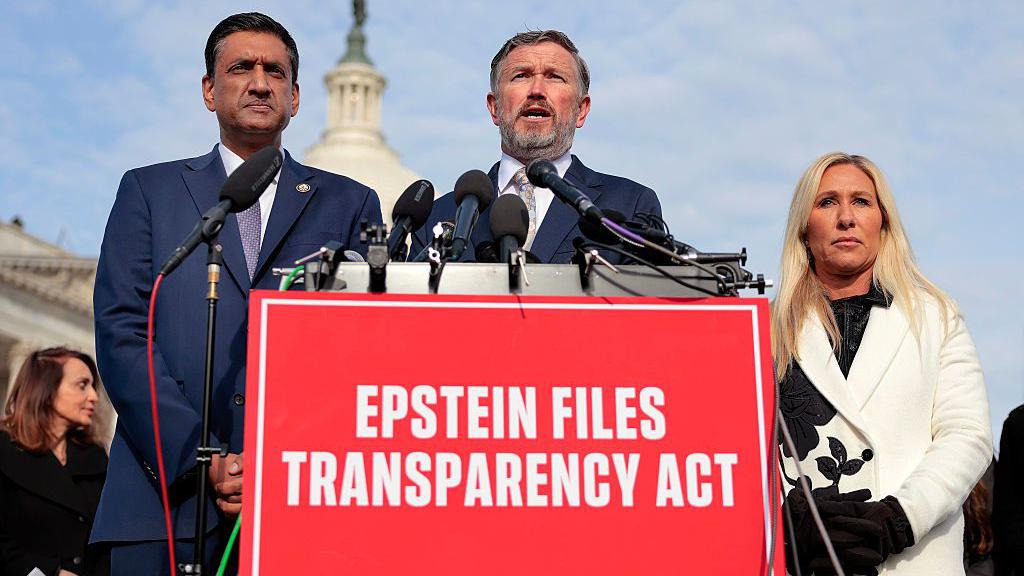
The Role of Public Figures
Because Epstein historically crossed paths with an expansive circle of international elite, business moguls, and politicians from across the political spectrum, the files have consistently been utilized as rhetorical weapons by opposing political factions. While social media graphics often imply hidden, definitive evidence aimed at a single individual, the actual document releases have historically cast a wide, non-partisan net, shedding light on the broader systemic failures that allowed the trafficking network to persist for years.