
In the contemporary digital landscape, complex sociological debates are frequently condensed into easily shareable, highly provocative visual media. A prime example of this phenomenon is a viral social media graphic featuring side-by-side screenshots of an individual alongside the bold, absolute declaration: "I Will No Longer Be Associating With Any WHITE Male Of Any Kind." Circulating extensively across platforms like X, Instagram, and TikTok, the image functions as a potent lightning rod for engagement, illustrating how extreme expressions of identity politics are weaponized online to spark intense public debate.

For a significant portion of the internet audience, graphics of this nature are interpreted primarily through the lens of political satire or cultural caricature. Within meme culture, images featuring individuals with alternative aesthetics making sweeping, absolute statements are frequently utilized as templates to mock what critics view as the hyper-fixation of modern activist spaces. Commentators from this perspective argue that such declarations demonstrate a counterproductive approach to social progress, substituting meaningful structural critique with arbitrary, discriminatory exclusions. To these viewers, the viral spread of the post serves as an ironic critique of an online ecosystem that rewards performance over substance.
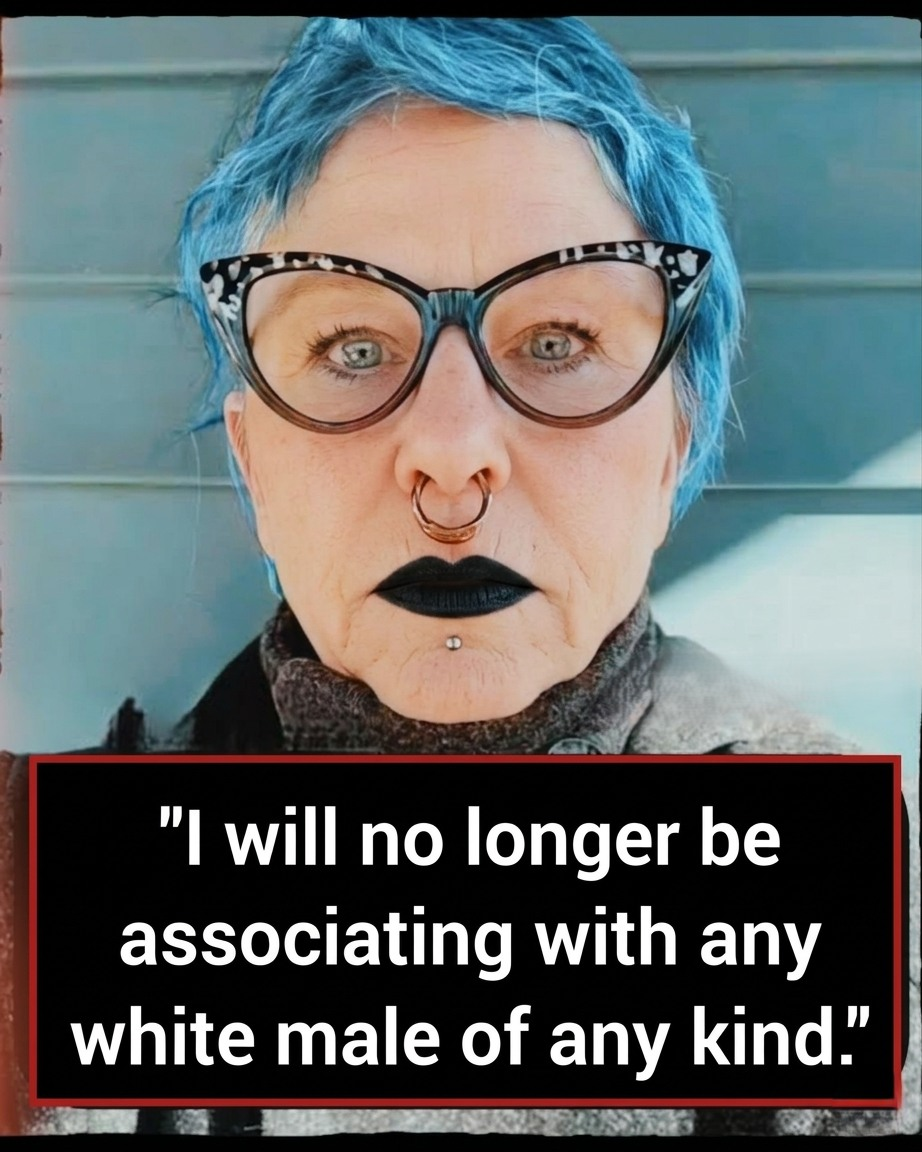
Conversely, within serious sociopolitical discussions, the image functions as a entry point into a deeper debate regarding institutional power dynamics and personal boundaries. From an advocacy standpoint, the discourse surrounding who individuals choose to associate with often intersects with conversations about systemic privilege, personal safety, and the reclamation of agency. Supporters of absolute boundary-setting argue that marginalized groups frequently experience unique pressures within institutional frameworks and have the right to curate their personal environments as a form of self-preservation. From this perspective, the harsh public backlash to the statement is seen as a defensive reaction to someone explicitly rejecting traditional social hierarchies.