
While the next presidential election cycle is still on the horizon, the political landscape is already buzzing with early speculation. A viral list highlighting potential Democratic contenders for the presidential nomination has ignited intense online debate, drawing attention to a diverse array of party leaders, including governors, senators, and cabinet members. This early focus underscores a critical period of transition and strategic reevaluation within the party, as it looks to build a winning coalition capable of addressing shifting voter priorities.
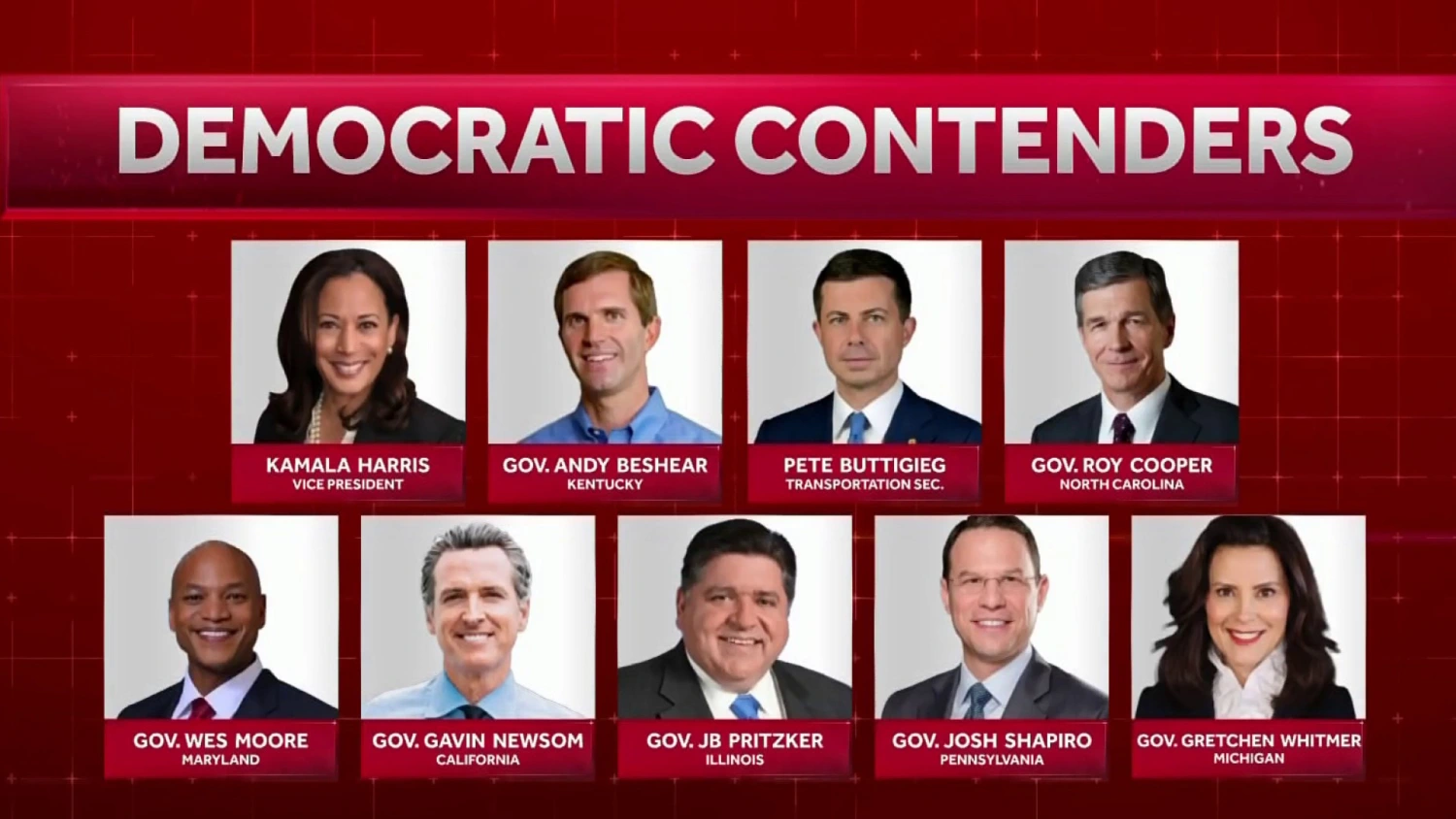
At the center of the early conversation are figures with substantial national profiles. Former Vice President Kamala Harris and California Governor Gavin Newsom frequently headline speculative shortlists, possessing established fundraising networks and widespread name recognition. Newsom, in particular, has increasingly positioned himself as a vocal leader on a variety of major policy issues, engaging audiences across the political spectrum. Concurrently, Transportation Secretary Pete Buttigieg remains highly popular among the party's core base, known for his polished communication style and frequent media appearances advocating for structural and infrastructure developments.
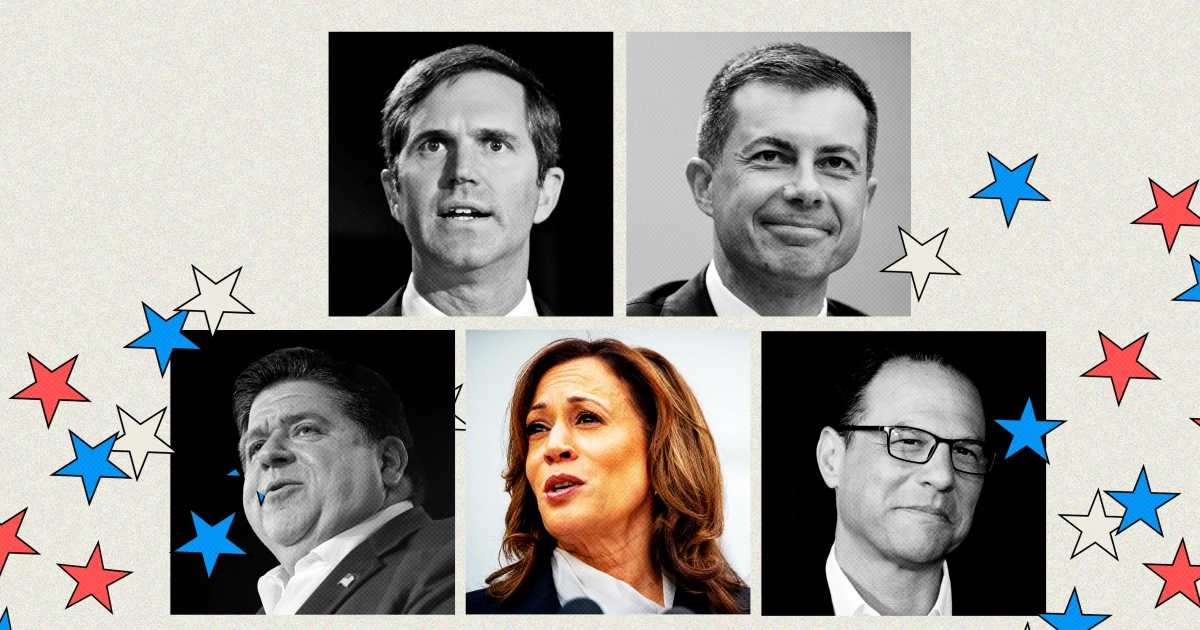
Beyond the most prominent national names, a strong contingent of governors from key battleground states represents a highly influential segment of the prospective field. Leaders like Pennsylvania Governor Josh Shapiro and Michigan Governor Gretchen Whitmer are widely viewed by strategists as uniquely positioned candidates due to their proven track records of winning competitive statewide races. Proponents of a gubernatorial nominee argue that executives from outside the Washington apparatus carry less polarizing baggage and can offer a pragmatic focus on economic stability, job creation, and state-level successes that resonate deeply with moderate and independent voters.
At the same time, the progressive wing of the party continues to command a powerful presence, represented by figures such as New York Representative Alexandria Ocasio-Cortez. The inclusion of prominent progressives ensures that debates over wealth inequality, climate policy, and systemic reform will remain central to the party's ideological direction. Ultimately, the overwhelming engagement on early polling lists indicates that the upcoming primary process will not simply be a race between individuals, but a high-stakes debate over the party’s long-term identity and vision for the country.