
New York City Mayor Zohran Mamdani’s latest progressive policy initiative has electrified sports fans and political observers alike. The announcement outlines a groundbreaking lottery program designed to provide verified New York City residents with access to 1,000 subsidized 2026 FIFA World Cup tickets priced at just $50 each, complete with free round-trip bus transportation to MetLife Stadium. Unveiled in Harlem's historic "Little Senegal" neighborhood, the program represents a direct, localized countermeasure against the hyper-commercialization and skyrocketing costs associated with hosting mega-sporting events in the United States.
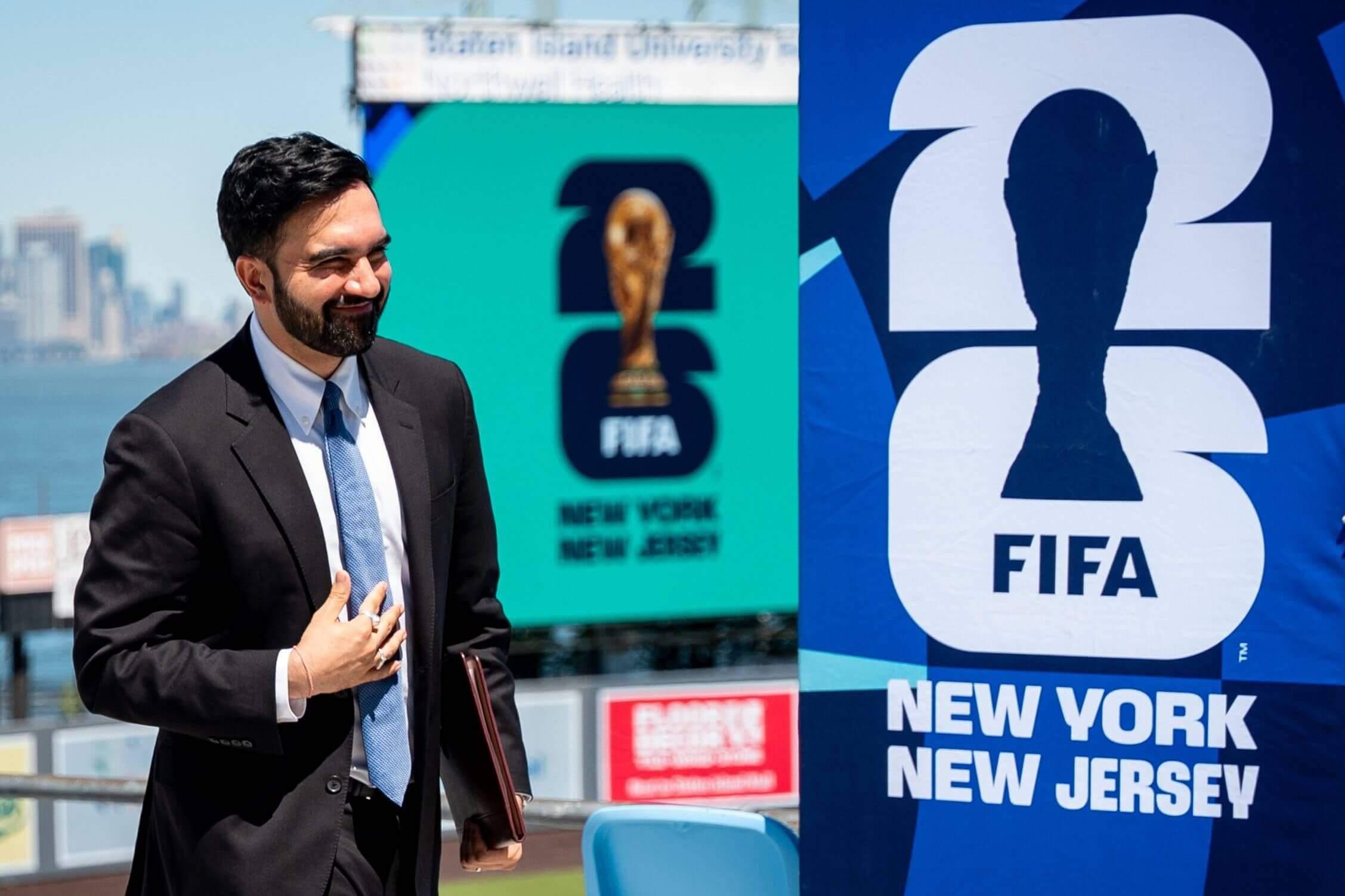
For supporters of Mayor Mamdani—a Democratic Socialist who built his mayoral campaign around urban affordability and working-class equity—this initiative is viewed as a landmark victory for public access. In the buildup to the multi-city tournament, international football governing bodies and secondary resale markets have faced immense public backlash for implementing dynamic pricing structures. General admission costs have regularly crossed the $550 mark, while premium match tickets stretch into the thousands. By collaborating directly with the NY/NJ World Cup Host Committee to bypass traditional corporate channels, Mamdani’s administration is explicitly prioritizing the local communities who live in the shadow of the tournament but are traditionally priced out of the stands. To prevent scalping, the city has mandated that these lottery tickets remain strictly non-transferable, distributed only as fans physically board the municipal transit.

Conversely, some pragmatic critics and logistics analysts question the true scalable impact of the program. While the symbolism of the initiative is widely praised, skeptics point out that a pool of 1,000 total tickets—broken down into roughly 150 seats across seven non-final matches—is a drop in the ocean for a city of over eight million residents. Opponents of municipal intervention argue that subsidizing sports entertainment sets an unusual precedent for city budgeting, suggesting that municipal resources and administrative focus should remain fixed on core urban crises like housing infrastructure and public safety.
Ultimately, this unprecedented ticket access program underscores Mayor Mamdani’s broader political philosophy: that global cultural phenomena occurring within city borders should belong to the working-class people who make those cities thrive. By mirroring local discount structures previously seen in host nations like Qatar during the 2022 tournament, New York City is testing a new blueprint for how host cities can advocate for their residents against corporate monopolies. Whether viewed as an impactful community triumph or a highly visible public relations victory, the initiative has successfully pushed the conversation regarding economic accessibility in professional sports to the global stage.