
Former First Lady Michelle Obama has re-ignited a perennially popular political parlor game with the headline: "New Polls Suggest Michelle Obama Would WIN the 2028 US Presidential Elections If She Ran." The graphic has sparked immense engagement across multiple platforms, underscoring a fascinating trend in modern American politics: the enduring public draft of cultural icons into serious electoral speculation. Despite her consistent and firm rejections of public office, Michelle Obama remains one of the most powerful phantom candidates in the political landscape.
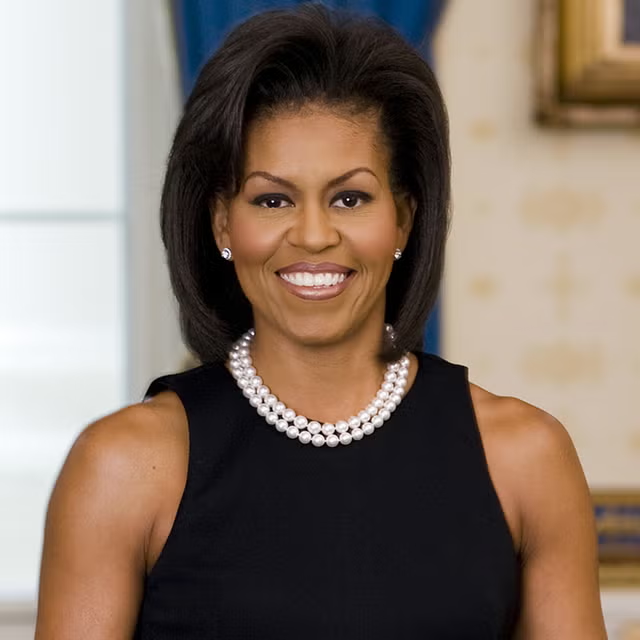
The root of this persistent polling phenomenon lies in her remarkably stable popularity. In crowded political fields where current party leaders frequently suffer from highly polarized favorability ratings, both Michelle and Barack Obama regularly post net-positive public images in nationwide surveys. To many Democratic strategists and voters, she represents a unifying figure possessing immense name recognition, unmatched star power, and an ability to mobilize the party's core base without carrying the immediate legislative baggage of a traditional career politician. Hypothetical match-ups often lean heavily into this broad cultural appeal, showcasing her leading potential opponents before a grueling primary campaign even begins.
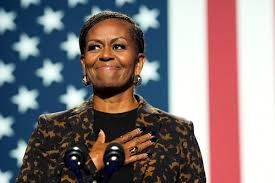
However, the major disconnect in this narrative is the former First Lady’s own unwavering stance on her future. In numerous high-profile interviews, she has labeled the idea of launching a presidential campaign as completely "unthinkable." Her primary reasons are deeply personal rather than political, frequently citing a fierce desire to protect her daughters and family from the relentless scrutiny, polarization, and personal sacrifices demanded by a modern White House campaign. She has bluntly summarized her position to the media as "question asked and answered—never gonna happen."
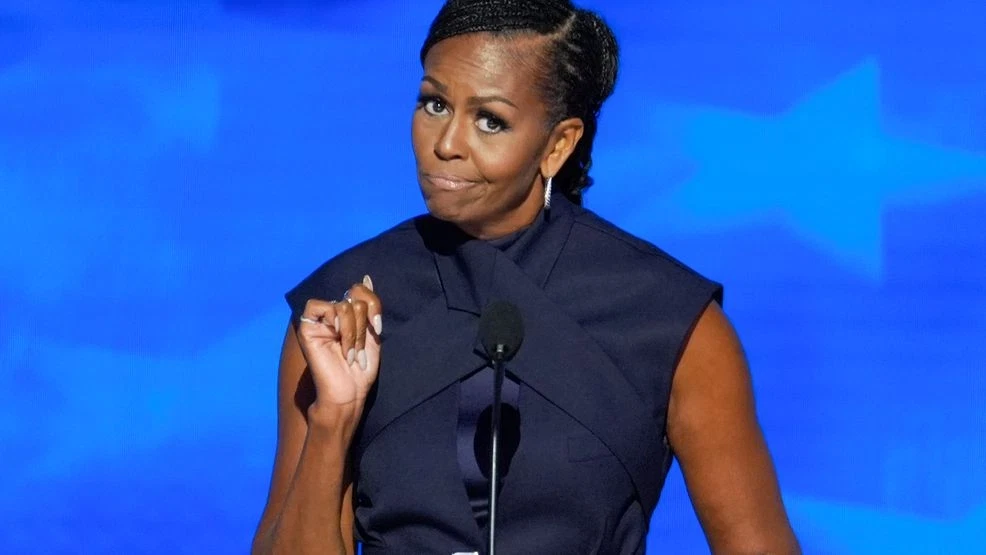
Ultimately, the viral traction of the 2028 poll graphic reflects a deeper undercurrent of anxiety within the electorate. When voters face perceived leadership voids or generational shifts within major political parties, they naturally look backward toward familiar, trusted figures from eras they associate with stability. While these theoretical data points provide entertaining fodder for political commentators and social media debate, the reality remains unchanged. Barring an unprecedented shift in personal philosophy, Michelle Obama’s political influence will continue to be wielded from the sidelines as an author, advocate, and kingmaker—rather than as a candidate on the ballot.