
Parental Protection vs. Inclusion: The Ongoing Debate Over Public Restroom Policies
A viral social media image depicting a confrontation outside a public restroom has once again ignited a fierce nationwide conversation regarding safety, gender identity, and parental boundaries. The post features a headline stating: "Man REFUSES to let transwoman into the ladies' bathroom while his daughter was inside," accompanied by a prompt asking users whether the father's actions were justified. The comment section quickly filled with deeply polarized perspectives, illustrating how public facilities have become a primary flashpoint in contemporary cultural and political debates.
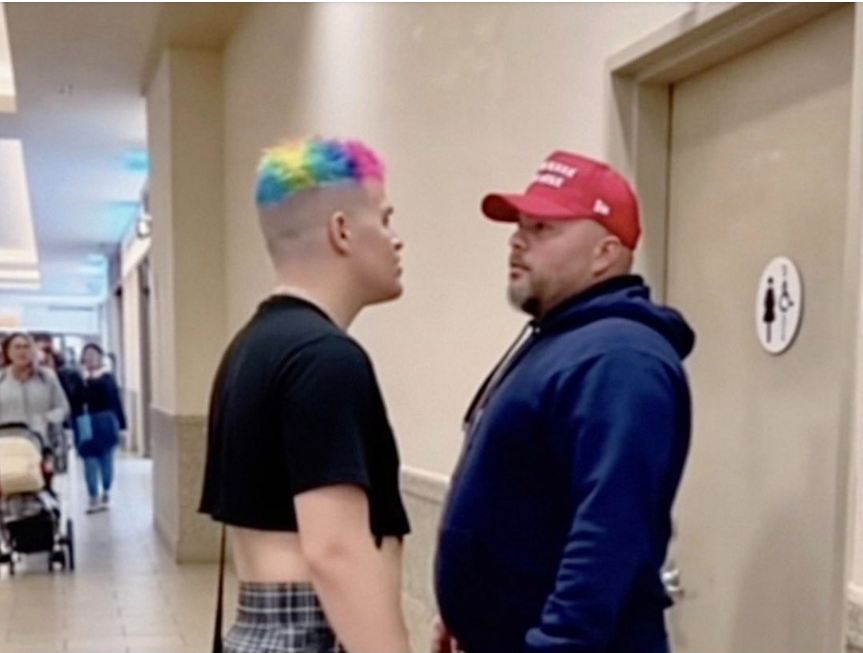
For a significant segment of the public, the father’s intervention is viewed through the lens of parental instinct and child safety. Supporters of the man’s actions argue that a parent's primary responsibility is to safeguard their children, particularly in spaces where individuals are uniquely vulnerable, such as public restrooms or locker rooms. From this viewpoint, the father's refusal to allow entry was not necessarily rooted in malice toward the transgender community, but rather a protective measure to ensure his young daughter felt secure and private. Commenters backing this stance emphasize that biological differences matter in private communal spaces and that parents have a right to maintain traditional boundaries for their minors.
Conversely, LGBTQ+ advocates and civil rights supporters argue that such confrontations represent an exclusionary and discriminatory barrier to public life. Opponents of the father's actions point out that transgender individuals face high rates of harassment and violence when forced into facilities that do not align with their gender identity. From this perspective, assuming a transgender woman poses an inherent threat to a child simply by entering a restroom is an unfair stereotype that perpetuates public hostility. They contend that access to a safe restroom is a basic human necessity and that legal protections should secure a person's right to choose the space where they feel safest.
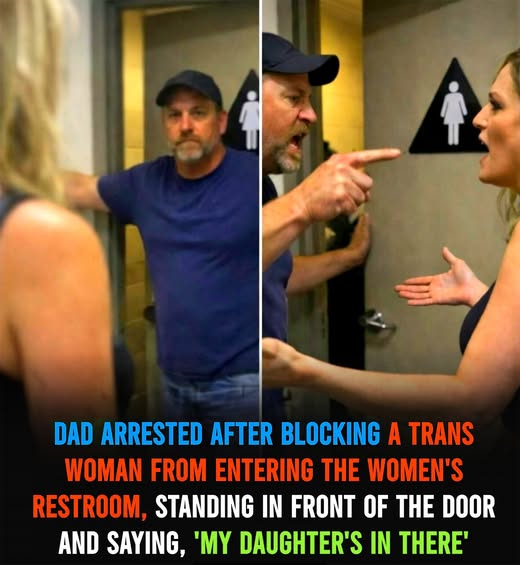
Ultimately, this viral post underscores a deeper systemic challenge facing modern society: the struggle to balance individual identity rights with the comfort and security concerns of traditional families. As businesses and local governments increasingly move toward installing all-gender, single-occupancy restrooms to alleviate these tensions, the debate continues to unfold online and in courts. The massive engagement on this post demonstrates that until unified legal standards are universally adopted, public restrooms will remain a complicated arena for conflicting social values.