
Matt Smith, an organic farmer in Wisconsin, was doing something routine—carrying a mattress up a staircase—when he slipped and fell, fracturing two of his ribs. The pain was sharp and constant, making it hard to move, drive, or even breathe comfortably. Like millions of others in pain, he reached for an over-the-counter solution: extra-strength acetaminophen, commonly known as Tylenol.
He figured it was a safe choice, a standard way to manage the discomfort while he healed. But a few weeks later, something strange happened. Matt, who usually had a healthy appetite, suddenly lost all desire to eat. He felt exhausted and just not like himself. When he finally went to a clinic to get checked, the blood tests showed something that worried his doctors immediately: his liver enzymes were dangerously high.
It took time and a lot of investigation to understand the cause. A liver biopsy eventually suggested a drug-induced injury. While acetaminophen is generally safe when taken exactly as directed, in rare and specific cases, it can trigger severe reactions in the liver, even in people who aren’t overdosing. Doctors believe this is what happened to Matt. His body, struggling to process the medication while he was already in pain and recovering from a fall, turned a common helper into a source of severe health trouble.
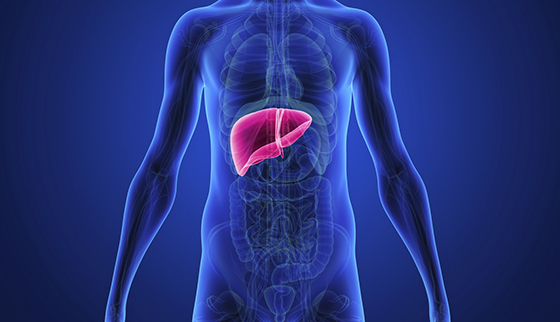
This story highlights a reality that many of us don’t consider when we pop a pill for a headache or a muscle ache: even "safe" medicines have risks. For the vast majority of people, acetaminophen is perfectly fine. But for some, particularly those who are already stressed, dehydrated, or dealing with other health issues, the liver can struggle to filter the medication, leading to hidden damage that doesn't show up until it’s already becoming a crisis.
Matt’s experience is a wake-up call for all of us. If you’re taking painkillers regularly, listen to your body. If you notice symptoms like loss of appetite, fatigue, or dark urine, don’t just brush it off as "stress." Get it checked. A simple blood test can often catch liver issues early, long before they turn into a medical mystery. It’s a reminder that even the most common drugs deserve respect and care.